Colour negative · Vintage

Gevacolor Negative T 6.51

Gevaert's unmasked colour cine negative of the 1950s.

Planned media

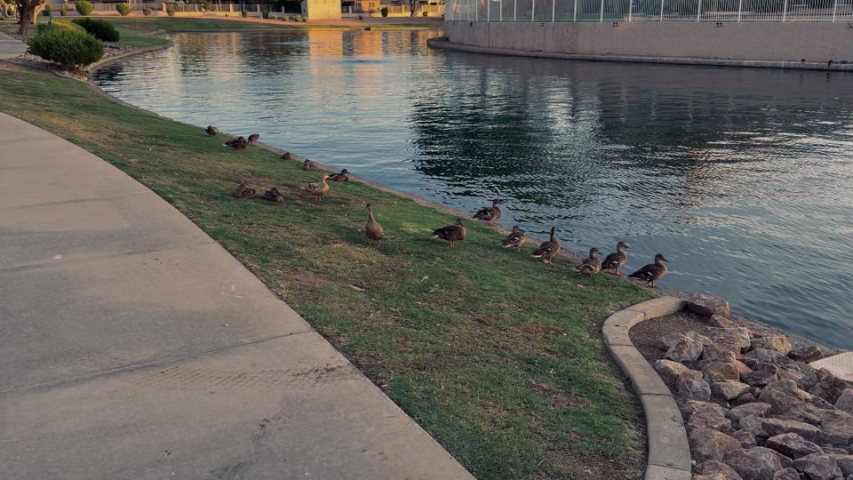
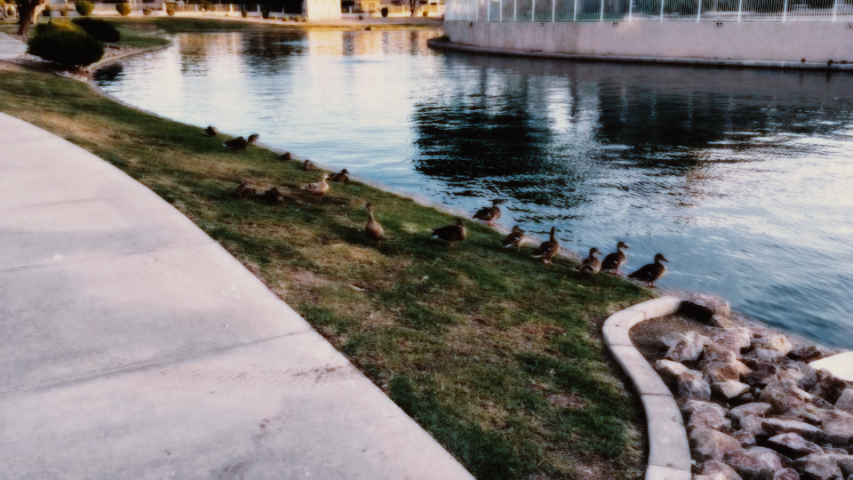
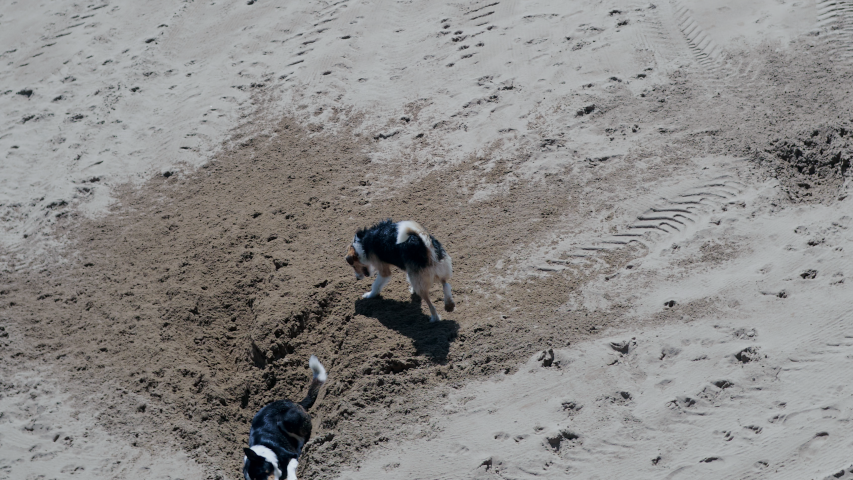
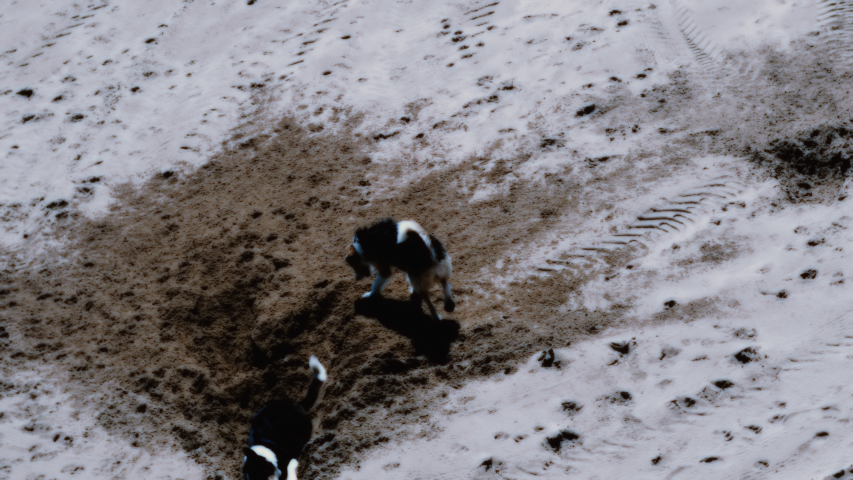
A reconstruction of Gevaert's unmasked early-1950s negative under studio tungsten, printed on the Gevacolor Positive 953 surrogate. Original vs Ashigrain.

Gevacolor Negative T 6.51, Gevacolor Positive 953

stock
Gevacolor Negative T 6.51
mode
Print
print_film
Gevacolor Positive 953
film_format
Super 35 (4-perf)

At a glance

Exposure index
16
Tungsten
Introduced
by 1951
Process
Gevaert colour development in diethyl paraphenylene diamine (process name not printed)
Prints on
953
Gevacolor Positive 953

About the film

Gevacolor was Gevaert's subtractive negative/positive colour process on multilayer film, and its camera negative ran in a standard camera.

Gevaert's engineer Verkinderen described the processes in a paper read to the British Kinematograph Society's Film Production Division on 25 April 1951 and printed that October. The negative had three layers, blue-sensitive for yellow on top, then green-sensitive for magenta and red-sensitive for cyan, with colour couplers that could not wander between them, and negative and positive were both developed in diethyl paraphenylene diamine. Its balance was set for studio incandescent lamps at 16 ASA, while daylight or arc light needed a conversion filter, usually on the lens, and gave 10 to 12 ASA. Black-and-white negatives of the day were four to six times faster, and the paper warned that lighting a Gevacolor film cost three to four times as much as black-and-white. It also argued that most black-and-white studio and laboratory practice carried over, with changes at only one or two stages. Duplicates were harder, because each colour printing step lost saturation; one remedy was to make three black-and-white positive extracts from the negative and print their duplicate negatives in register on Gevacolor positive. The Timeline of Historical Film Colors describes the Gevacolor negative as carrying no colour mask.

Sources for this history
  1. The Gevacolor Processes (British Kinematography 19(4), October 1951), H. Verkinderen (Gevaert), Internet Archive
  2. Gevacolor Negative, Timeline of Historical Film Colors, University of Zurich

The look

Gevacolor negative was Gevaert's three-layer colour cine negative of the early 1950s, unmasked and balanced for studio tungsten lamps at 16 ASA. Ashigrain's version is reconstructed from a 1951 paper rather than measured. It prints by default on Gevacolor Positive 953, a labelled surrogate of a later Gevaert print.


Gevacolor Negative T 6.51 sample frame: OriginalGevacolor Negative T 6.51 sample frame: Ashigrain

Best for

  1. Early-1950s European colour features
  2. Studio sets under tungsten light
  3. Muted, unmasked period colour

Compare camera films

FilmSpeedGrain, RMS σD · lower means finer grainYears made
CinefotocolorCinefotocolor−1 stop vs Gevacolor Negative T 6.51 · grain coarserEI 8−1 stop.0191948
GasparcolorGasparcolor−⅓ stop vs Gevacolor Negative T 6.51 · grain coarserEI 12−⅓ stop.0181932
Ansco Color Negative 843Ansco Color Negative 843same speed vs Gevacolor Negative T 6.51 · grain finerEI 16same speed.0041951
Gevacolor Negative T 6.51Gevacolor Negative T 6.51this filmEI 16this film.0071951
Technicolor Process IITechnicolor Process IIsame speed vs Gevacolor Negative T 6.51 · grain coarserEI 16same speed.0191922
Trucolor (two-colour)Trucolor (two-colour)same speed vs Gevacolor Negative T 6.51 · grain coarserEI 16same speed.0191945
ORWOCOLOR UK 14ORWOCOLOR UK 14+⅓ stop vs Gevacolor Negative T 6.51 · grain coarserEI 20+⅓ stop.0111964
Kodak Kodachrome 25Kodak Kodachrome 25+⅔ stop vs Gevacolor Negative T 6.51 · grain coarserEI 25+⅔ stop.0141974
Agfacolor Typ 432Agfacolor Typ 432+1 stop vs Gevacolor Negative T 6.51 · grain the sameEI 32+1 stop.0071962
Svema DS-5MSvema DS-5M+1⅓ stops vs Gevacolor Negative T 6.51 · grain finerEI 40+1⅓ stops.0051979
Kodak Aerochrome III 1443Kodak Aerochrome III 1443+1⅓ stops vs Gevacolor Negative T 6.51 · grain coarserEI 40+1⅓ stops.0292001
Kodak Vision3 50DKodak Vision3 50DMade since 2011, in production · +1⅔ stops vs Gevacolor Negative T 6.51 · grain finerEI 50+1⅔ stops.0042011–
Fujifilm Velvia 50Fujifilm Velvia 50Made since 2007, in production · +1⅔ stops vs Gevacolor Negative T 6.51 · grain coarserEI 50+1⅔ stops.0112007–
Agfa Agfacolor Ultra 50Agfa Agfacolor Ultra 50+1⅔ stops vs Gevacolor Negative T 6.51 · grain finerEI 50+1⅔ stops.0041995
Agfa Agfachrome RSX II 50Agfa Agfachrome RSX II 50+1⅔ stops vs Gevacolor Negative T 6.51 · grain coarserEI 50+1⅔ stops.0111998
Konica Impresa 50Konica Impresa 50+1⅔ stops vs Gevacolor Negative T 6.51 · grain finerEI 50+1⅔ stops.0051998
DufaycolorDufaycolor+1⅔ stops vs Gevacolor Negative T 6.51 · grain coarserEI 50+1⅔ stops.0121935
Fujifilm Fujichrome 64T Type IIFujifilm Fujichrome 64T Type II+2 stops vs Gevacolor Negative T 6.51 · grain coarserEI 64+2 stops.0132002
Kodak Kodachrome 64Kodak Kodachrome 64Made 1974–2009 · +2 stops vs Gevacolor Negative T 6.51 · grain coarserEI 64+2 stops.0161974–2009
ORWOCOLOR NC 3ORWOCOLOR NC 3+2 stops vs Gevacolor Negative T 6.51 · grain the sameEI 64+2 stops.0071972
Polaroid Type 669Polaroid Type 669+2⅓ stops vs Gevacolor Negative T 6.51 · grain coarserEI 80+2⅓ stops.0231981
Ilford Ortho PlusIlford Ortho PlusMade since 1997, in production · +2⅓ stops vs Gevacolor Negative T 6.51 · grain coarserEI 80+2⅓ stops.0131997–
Svema LN-9Svema LN-9+2⅔ stops vs Gevacolor Negative T 6.51 · grain the sameEI 95+2⅔ stops.0071988
Kodak Ektar 100Kodak Ektar 100Made since 2008, in production · +2⅔ stops vs Gevacolor Negative T 6.51 · grain finerEI 100+2⅔ stops.0052008–
Kodak Ektachrome 100DKodak Ektachrome 100DMade since 2018, in production · +2⅔ stops vs Gevacolor Negative T 6.51 · grain coarserEI 100+2⅔ stops.0132018–
Lucky Super GBR 100Lucky Super GBR 100+2⅔ stops vs Gevacolor Negative T 6.51 · grain finerEI 100+2⅔ stops.0052001
Ferrania Solaris FG Plus 100Ferrania Solaris FG Plus 100+2⅔ stops vs Gevacolor Negative T 6.51 · grain finerEI 100+2⅔ stops.0052002
Fujifilm Astia 100FFujifilm Astia 100FMade 2003–2012 · +2⅔ stops vs Gevacolor Negative T 6.51 · grain coarserEI 100+2⅔ stops.0112003–12
Fujifilm Velvia 100Fujifilm Velvia 100Made since 2003, in production · +2⅔ stops vs Gevacolor Negative T 6.51 · grain coarserEI 100+2⅔ stops.0112003–
Kodak Ektachrome E100SKodak Ektachrome E100S+2⅔ stops vs Gevacolor Negative T 6.51 · grain coarserEI 100+2⅔ stops.0151996
Agfa Agfacolor Optima II 100Agfa Agfacolor Optima II 100+2⅔ stops vs Gevacolor Negative T 6.51 · grain finerEI 100+2⅔ stops.0051998
Agfa Agfachrome RSX II 100Agfa Agfachrome RSX II 100+2⅔ stops vs Gevacolor Negative T 6.51 · grain coarserEI 100+2⅔ stops.0111998
Kodak Ektachrome E100VSKodak Ektachrome E100VS+2⅔ stops vs Gevacolor Negative T 6.51 · grain coarserEI 100+2⅔ stops.0171998
Fujifilm Provia 100FFujifilm Provia 100FMade since 2000, in production · +2⅔ stops vs Gevacolor Negative T 6.51 · grain coarserEI 100+2⅔ stops.0102000–
Gevacolor 682Gevacolor 682+2⅔ stops vs Gevacolor Negative T 6.51 · grain finerEI 100+2⅔ stops.0061979
Kodak Ektachrome 100 Plus (EPP)Kodak Ektachrome 100 Plus (EPP)+2⅔ stops vs Gevacolor Negative T 6.51 · grain coarserEI 100+2⅔ stops.0181988
Fujifilm FP-100CFujifilm FP-100CMade 1992–2016 · +2⅔ stops vs Gevacolor Negative T 6.51 · grain coarserEI 100+2⅔ stops.0221992–2016
Lomography Redscale XR 50-200Lomography Redscale XR 50-200+2⅔ stops vs Gevacolor Negative T 6.51 · grain finerEI 100+2⅔ stops.0052025
Fomapan R 100Fomapan R 100Made since 1980, in production · +2⅔ stops vs Gevacolor Negative T 6.51 · grain coarserEI 100+2⅔ stops.0211980–
Tasma NK-2Tasma NK-2+2⅔ stops vs Gevacolor Negative T 6.51 · grain coarserEI 100+2⅔ stops.0121980
Kodak T-Max 100Kodak T-Max 100Made since 1986, in production · +2⅔ stops vs Gevacolor Negative T 6.51 · grain coarserEI 100+2⅔ stops.0081986–
Ilford Delta 100Ilford Delta 100Made since 1992, in production · +2⅔ stops vs Gevacolor Negative T 6.51 · grain the sameEI 100+2⅔ stops.0071992–
Agfa Agfapan APX 100Agfa Agfapan APX 100+2⅔ stops vs Gevacolor Negative T 6.51 · grain the sameEI 100+2⅔ stops.0071998
Fomapan 100 ClassicFomapan 100 ClassicMade since 2016, in production · +2⅔ stops vs Gevacolor Negative T 6.51 · grain coarserEI 100+2⅔ stops.0122016–
Eastman Color Negative 5247Eastman Color Negative 5247+3 stops vs Gevacolor Negative T 6.51 · grain finerEI 125+3 stops.0051983
Kodak Technical PanKodak Technical Pan+3 stops vs Gevacolor Negative T 6.51 · grain coarserEI 125+3 stops.0081977
Kodak Portra 160Kodak Portra 160Made since 2011, in production · +3⅓ stops vs Gevacolor Negative T 6.51 · grain finerEI 160+3⅓ stops.0062011–
Agfa Agfacolor Portrait XPS 160Agfa Agfacolor Portrait XPS 160+3⅓ stops vs Gevacolor Negative T 6.51 · grain finerEI 160+3⅓ stops.0061995
Kodak Vision3 200TKodak Vision3 200TMade since 2010, in production · +3⅔ stops vs Gevacolor Negative T 6.51 · grain finerEI 200+3⅔ stops.0062010–
Kodak Verita 200DKodak Verita 200DMade since 2026, in production · +3⅔ stops vs Gevacolor Negative T 6.51 · grain finerEI 200+3⅔ stops.0062026–
Fujifilm C200Fujifilm C200+3⅔ stops vs Gevacolor Negative T 6.51 · grain finerEI 200+3⅔ stops.0052017
Kodak Gold 200Kodak Gold 200Made since 2007, in production · +3⅔ stops vs Gevacolor Negative T 6.51 · grain coarserEI 200+3⅔ stops.0082007–
Lucky Super GBR 200Lucky Super GBR 200+3⅔ stops vs Gevacolor Negative T 6.51 · grain the sameEI 200+3⅔ stops.0072001
Ferrania Solaris FG Plus 200Ferrania Solaris FG Plus 200+3⅔ stops vs Gevacolor Negative T 6.51 · grain finerEI 200+3⅔ stops.0052002
Kodak Ektachrome E200Kodak Ektachrome E200+3⅔ stops vs Gevacolor Negative T 6.51 · grain coarserEI 200+3⅔ stops.0181997
Agfa Agfachrome RSX II 200Agfa Agfachrome RSX II 200+3⅔ stops vs Gevacolor Negative T 6.51 · grain coarserEI 200+3⅔ stops.0141998
Kodak Kodachrome 200Kodak Kodachrome 200+3⅔ stops vs Gevacolor Negative T 6.51 · grain coarserEI 200+3⅔ stops.0271986
Harman Phoenix 200Harman Phoenix 200+3⅔ stops vs Gevacolor Negative T 6.51 · grain the sameEI 200+3⅔ stops.0072023
Kodak Tri-X Reversal 7266Kodak Tri-X Reversal 7266Made since 2003, in production · +3⅔ stops vs Gevacolor Negative T 6.51 · grain coarserEI 200+3⅔ stops.0242003–
Kodak Vision3 250DKodak Vision3 250DMade since 2009, in production · +4 stops vs Gevacolor Negative T 6.51 · grain finerEI 250+4 stops.0062009–
Fujifilm Eterna 250Fujifilm Eterna 250+4 stops vs Gevacolor Negative T 6.51 · grain finerEI 250+4 stops.0052006
Fujifilm Eterna 250DFujifilm Eterna 250DMade 2005–2013 · +4 stops vs Gevacolor Negative T 6.51 · grain finerEI 250+4 stops.0052005–13
Kodak Vision 250DKodak Vision 250DMade 1997–2005 · +4 stops vs Gevacolor Negative T 6.51 · grain the sameEI 250+4 stops.0071997–2005
Kodak Aerocolor IV 2460Kodak Aerocolor IV 2460Made since 2009, in production · +4 stops vs Gevacolor Negative T 6.51 · grain coarserEI 250+4 stops.0132009–
Eastman Double-X 5222Eastman Double-X 5222Made since 1960, in production · +4 stops vs Gevacolor Negative T 6.51 · grain coarserEI 250+4 stops.0131960–
ORWO Wolfen NC400ORWO Wolfen NC400+4⅔ stops vs Gevacolor Negative T 6.51 · grain finerEI 400+4⅔ stops.0052022
Kodak Portra 400Kodak Portra 400Made since 2010, in production · +4⅔ stops vs Gevacolor Negative T 6.51 · grain the sameEI 400+4⅔ stops.0072010–
ORWO Wolfen NC500ORWO Wolfen NC500+4⅔ stops vs Gevacolor Negative T 6.51 · grain finerEI 400+4⅔ stops.0062022
Fujifilm Provia 400FFujifilm Provia 400F+4⅔ stops vs Gevacolor Negative T 6.51 · grain coarserEI 400+4⅔ stops.0172000
Ferrania Solaris FG Plus 400Ferrania Solaris FG Plus 400+4⅔ stops vs Gevacolor Negative T 6.51 · grain finerEI 400+4⅔ stops.0062004
Fujifilm Pro 400HFujifilm Pro 400HMade 2004–2021 · +4⅔ stops vs Gevacolor Negative T 6.51 · grain finerEI 400+4⅔ stops.0052004–21
Kodak Ektachrome 400XKodak Ektachrome 400X+4⅔ stops vs Gevacolor Negative T 6.51 · grain coarserEI 400+4⅔ stops.0371992
Fujifilm Superia X-TRA 400Fujifilm Superia X-TRA 400+4⅔ stops vs Gevacolor Negative T 6.51 · grain finerEI 400+4⅔ stops.0052006
LomoChrome Color '92 Sun-kissedLomoChrome Color '92 Sun-kissed+4⅔ stops vs Gevacolor Negative T 6.51 · grain finerEI 400+4⅔ stops.0052024
Kodak Tri-X 400Kodak Tri-X 400Made since 1954, in production · +4⅔ stops vs Gevacolor Negative T 6.51 · grain coarserEI 400+4⅔ stops.0171954–
Kodak T-Max 400Kodak T-Max 400Made since 2007, in production · +4⅔ stops vs Gevacolor Negative T 6.51 · grain coarserEI 400+4⅔ stops.0102007–
Ilford HP5 PlusIlford HP5 PlusMade since 1989, in production · +4⅔ stops vs Gevacolor Negative T 6.51 · grain coarserEI 400+4⅔ stops.0161989–
Ilford Delta 400Ilford Delta 400Made since 2002, in production · +4⅔ stops vs Gevacolor Negative T 6.51 · grain coarserEI 400+4⅔ stops.0102002–
Kodak Vision3 500TKodak Vision3 500TMade since 2007, in production · +5 stops vs Gevacolor Negative T 6.51 · grain the sameEI 500+5 stops.0072007–
Kodak 500T 5230Kodak 500T 5230+5 stops vs Gevacolor Negative T 6.51 · grain coarserEI 500+5 stops.0092011
Fujifilm Eterna Vivid 500Fujifilm Eterna Vivid 500Made 2009–2013 · +5 stops vs Gevacolor Negative T 6.51 · grain finerEI 500+5 stops.0052009–13
Kodak Vision2 500TKodak Vision2 500T+5 stops vs Gevacolor Negative T 6.51 · grain coarserEI 500+5 stops.0092009
Fujicolor Reala 500DFujicolor Reala 500D+5 stops vs Gevacolor Negative T 6.51 · grain finerEI 500+5 stops.0052001
Kodak Vision2 Expression 500TKodak Vision2 Expression 500T+5 stops vs Gevacolor Negative T 6.51 · grain coarserEI 500+5 stops.0092003
Fujifilm Eterna 500Fujifilm Eterna 500Made 2004–2013 · +5 stops vs Gevacolor Negative T 6.51 · grain finerEI 500+5 stops.0052004–13
Anscochrome D/500Anscochrome D/500+5 stops vs Gevacolor Negative T 6.51 · grain coarserEI 500+5 stops.0381967
Eastman EXR 500TEastman EXR 500TMade 1989–1995 · +5 stops vs Gevacolor Negative T 6.51 · grain coarserEI 500+5 stops.0081989–95
Kodak Portra 800Kodak Portra 800Made since 2000, in production · +5⅔ stops vs Gevacolor Negative T 6.51 · grain coarserEI 800+5⅔ stops.0092000–
Ferrania Solaris FG Plus 800Ferrania Solaris FG Plus 800+5⅔ stops vs Gevacolor Negative T 6.51 · grain the sameEI 800+5⅔ stops.0072004
Kodak Vision 800TKodak Vision 800T+5⅔ stops vs Gevacolor Negative T 6.51 · grain coarserEI 800+5⅔ stops.0101998
Konica Centuria Super 1600Konica Centuria Super 1600+6⅔ stops vs Gevacolor Negative T 6.51 · grain the sameEI 1600+6⅔ stops.0072002
Kodak Ektachrome P1600Kodak Ektachrome P1600+6⅔ stops vs Gevacolor Negative T 6.51 · grain coarserEI 1600+6⅔ stops.0501999
Kodak T-Max P3200Kodak T-Max P3200Made since 1988, in production · +7⅔ stops vs Gevacolor Negative T 6.51 · grain coarserEI 3200+7⅔ stops.0181988–
Ilford Delta 3200Ilford Delta 3200Made since 1998, in production · +7⅔ stops vs Gevacolor Negative T 6.51 · grain coarserEI 3200+7⅔ stops.0191998–

Science & sources

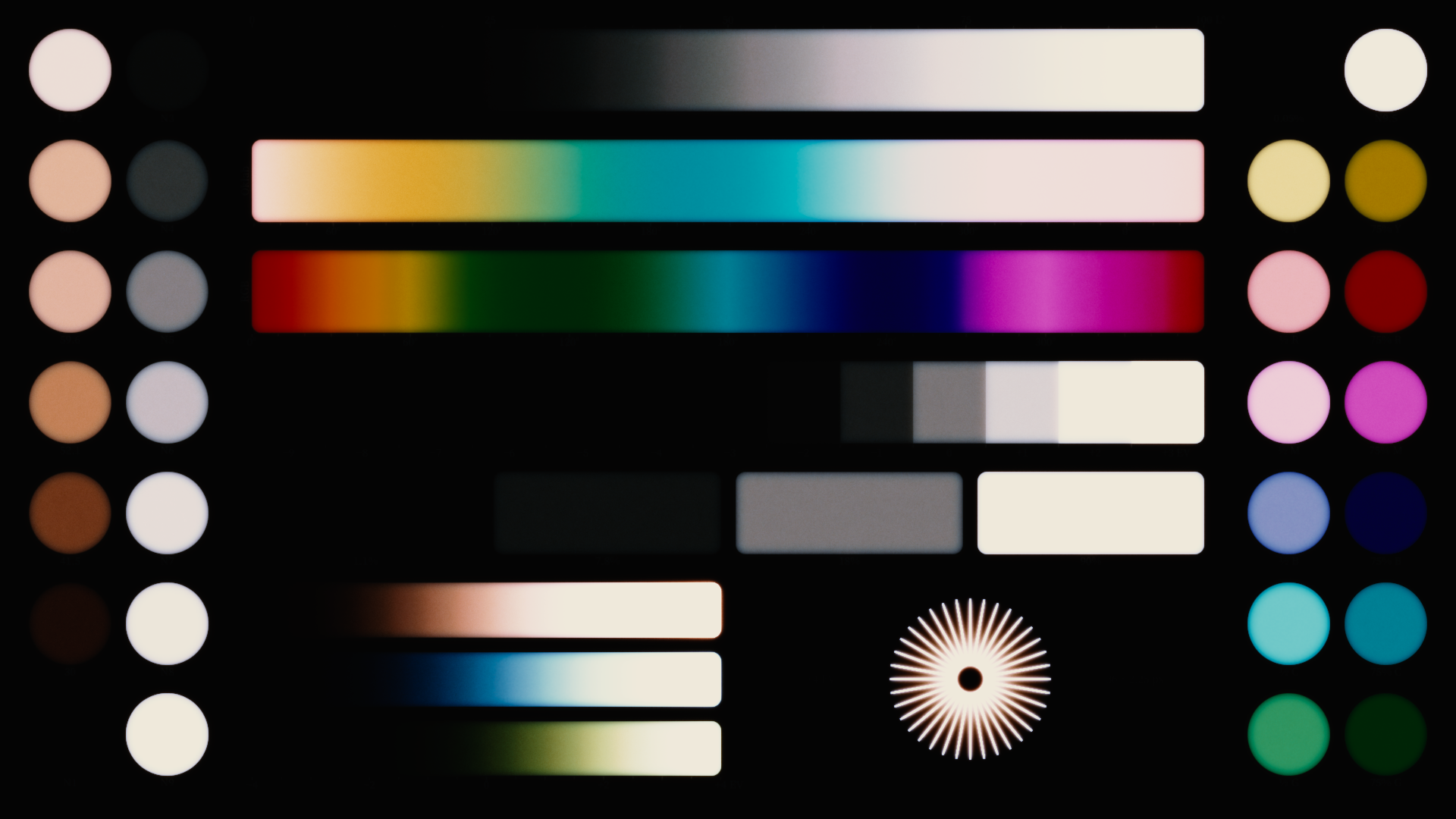
Gevacolor Negative T 6.51 calibration chart: OriginalGevacolor Negative T 6.51 calibration chart: Processed
Synthetic test chart (skin tones, Munsell greys, colour bars, tone and hue ramps, step wedge, memory-colour roll-off, halation star) before and after the full Ashigrain pipeline: print branch on Gevacolor Positive 953, Super 35 4-perf, default controls, exposure +0.37 stops to match the original's mid-grey, frame 0.

A tungsten-balanced motion-picture colour negative rated at 16 ASA, reconstructed rather than measured. Its curves are fitted to an unlabelled 1951 development chart with an assumed wedge step and layer assignment; its spectral sensitivity is reconstructed from Agfa-type inputs, and its dyes, grain and MTF are borrowed from ORWOCOLOR NC 3, an unmasked Agfa-type negative. It prints by default on Gevacolor Positive 953, a labelled surrogate.

Response curves and the evidence behind the model

Compare manufacturer data with Ashigrain’s response on the same axes. These curves show how the model is calibrated to its sources; they do not establish a match to photographed film.

Characteristic response

Density against log H (lux-seconds) for channels R, G, B. R circles, G squares, B triangles, N diamonds; filled markers and solid lines are digitised, open markers and dashed lines are simulated: digitised and simulated.−4.0−3.0−2.0−1.00.01.02.0log H (lux-seconds)0.01.02.03.0Density

RMS granularity

RMS granularity (σD) against Density for channels R, G, B. R circles, G squares, B triangles, N diamonds; filled markers and solid lines are datasheet-based, open markers and dashed lines are simulated: datasheet-based and simulated.0.00.51.01.52.0Density0.00.0050.010.0150.020.025RMS granularity (σD)

Density variation (σD). Where the datasheet gives a single grain value, the response away from that point is an approximation.

ChannelDensityDatasheet-based σDModel σD
R0.30.0078720.007859
G0.30.00860.008574
B0.30.021850.021672
R0.60.0059330.005923
G0.60.0074370.007415
B0.60.0162290.016096
R10.0052220.005214
G10.0066150.006595
B10.0146320.014512
R1.50.0047590.004751
G1.50.005880.005862
B1.50.0157280.0156
B20.0154910.015365

Model limits

These images show the film model in use. Spectral response, lighting and viewing conditions include approximations. Halation, bloom, grain size, weave and flicker are not fully measured for each film. The look of real film also depends on development and print timing.

  • Custom lighting spectra, camera metering and the spectral reflectance inferred from fixed-white-balance footage are assumptions used by the model, not measurements of this film.
  • Colour-print timing and scan balance under arbitrary lighting are modelled. Scanner colour balance has no standard physical unit.
  • The paper balances the film for studio incandescent lamps without giving a colour temperature. The model uses its 3200 K tungsten design light, and the conversion filter for daylight is modelled.
  • The characteristic curves are reconstructed, not measured: they are fitted to a 1951 development chart that prints density against unlabelled wedge steps, with an assumed step of 0.15 log H and an assumed assignment of the curves to the layers. The chart's densitometry is not stated; Status M is assumed.
  • The spectral sensitivity is not printed. It is reconstructed from the Agfa-type inputs of Ashigrain's Agfacolor Typ 432 model, which come from the ORWOCOLOR NC 3 article.
  • The dye spectra, grain and MTF are not printed. They are proxied from ORWOCOLOR NC 3, an unmasked Agfa-type negative, so the granularity values shown are that film's.
  • The antihalation layer is not described. An undercoat is assumed; halation strength, radius, layer weights and bloom are not measured.
  • The type number T 6.51 is the research identification of this film, not a code printed in the sources.
  • The default print, Gevacolor Positive 953, is a labelled surrogate of a later Gevaert print; the 1951 Gevacolor positive has no model.
  • Individual dye amounts, layer interactions and push/pull behaviour are approximated where the datasheet provides no calibration. Grain size is assumed; published RMS granularity does not specify dye-cloud size.
  • Characteristic response outside the published exposure range is an extrapolation, not measured film data.
  • The printer lamp and filter spectra and the Status A grey aim used in this preview are approximated; the source does not publish the required spectral or laboratory aim data.

Reciprocity: not modelled. Exposure time has no effect on this film.

Film guide: assumptions and practical choices

Sources

  1. Process: Verkinderen: The Gevacolor Processes, British Kinematography 19(4), October 1951, in British Kinematography (1951) vols. 18-19, archive.org item britishkig1819brit, file britishkig1819brit.pdf (Media History Digital Library scan, 314 pages), p. 240
  2. Exposure index: Verkinderen: The Gevacolor Processes, British Kinematography 19(4), October 1951, in British Kinematography (1951) vols. 18-19, archive.org item britishkig1819brit, file britishkig1819brit.pdf (Media History Digital Library scan, 314 pages), p. 241
  3. Reconstructed: Verkinderen: The Gevacolor Processes, British Kinematography 19(4), October 1951, in British Kinematography (1951) vols. 18-19, archive.org item britishkig1819brit, file britishkig1819brit.pdf (Media History Digital Library scan, 314 pages), p. 242

Bring this film into your grade.

Every film is included in one purchase, with no subscription.

€199 + VAT