 Ashigrain
Colour reversal · Experimental
Gasparcolor
Brilliant dye-bleach colour of 1930s animation.
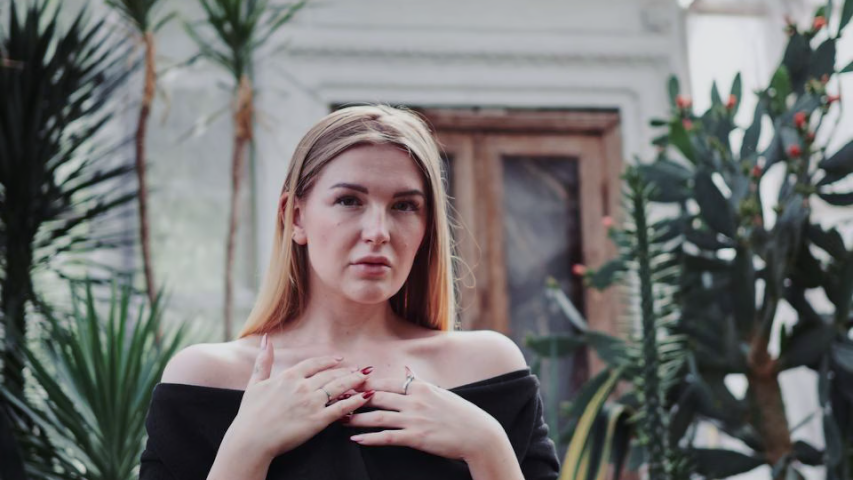
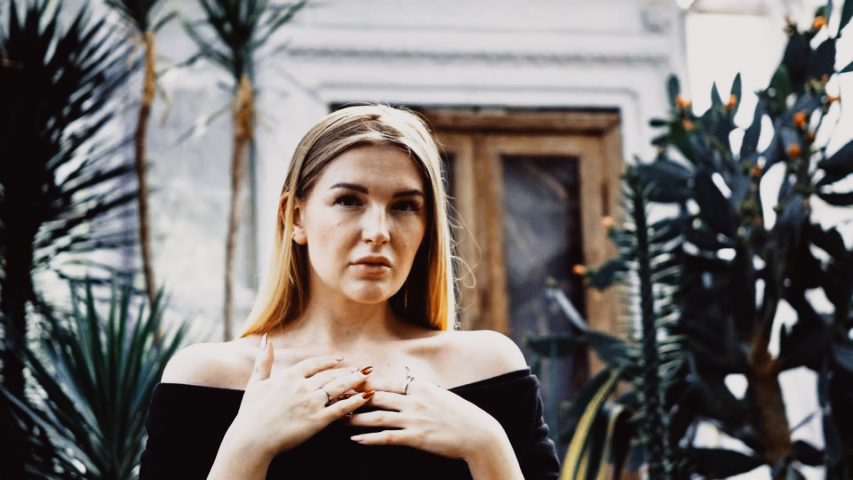
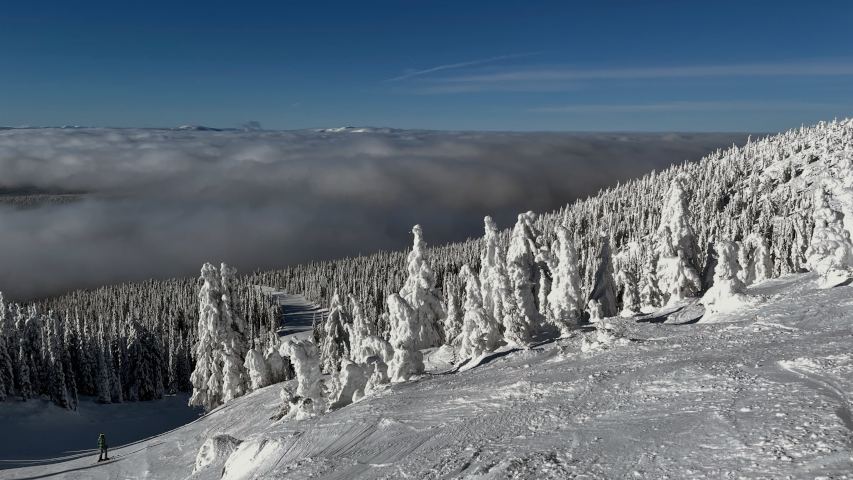
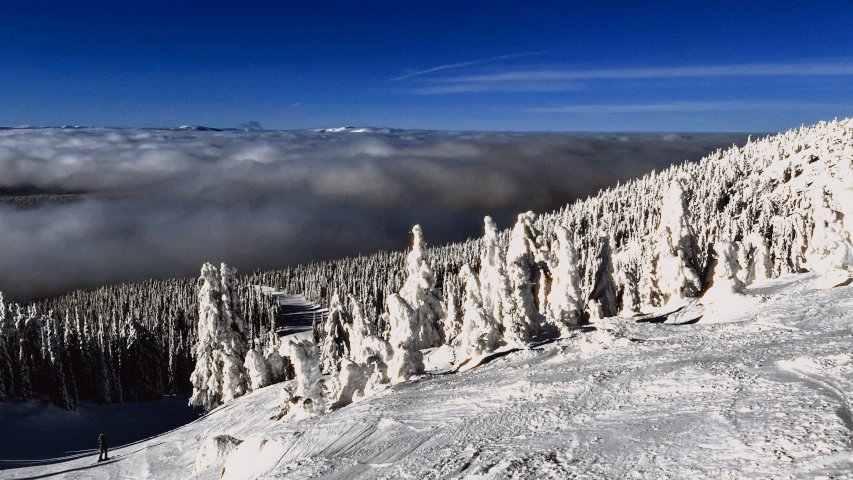
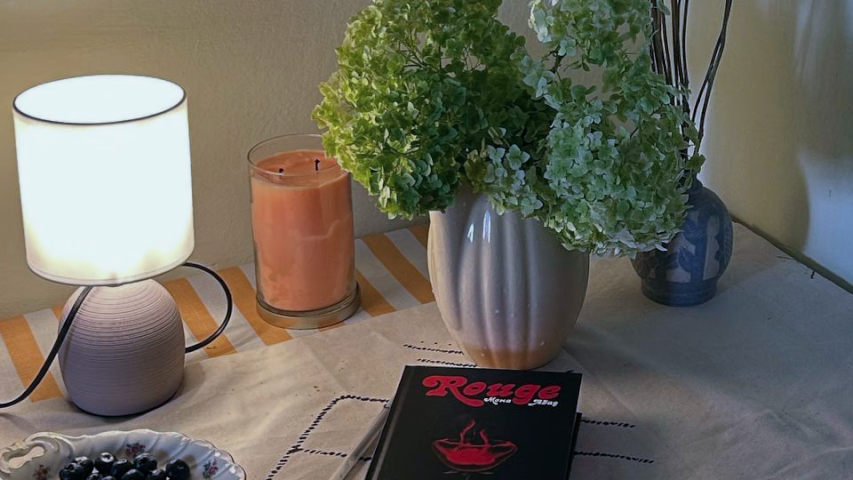
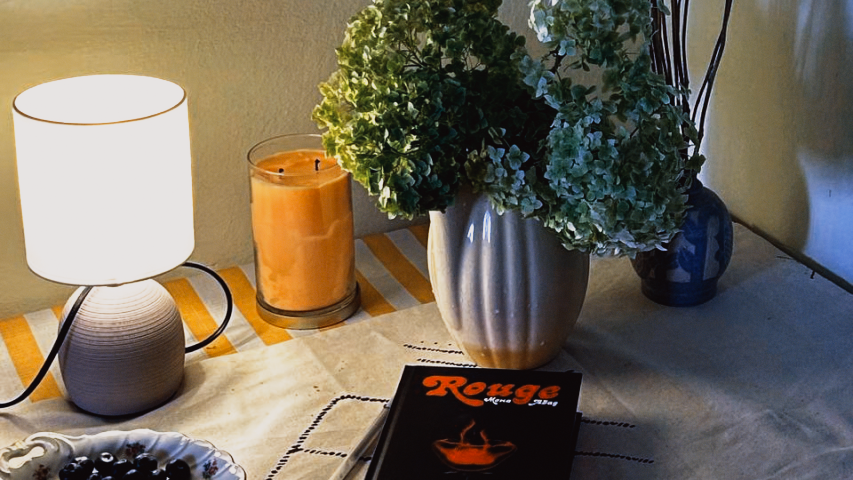
Brilliant, saturated three-colour print colour on abstract animation, the film's main use. A model inspired by the process, not a reproduction; the dye-bleach step is not simulated. Original vs Ashigrain.
At a glance
- Exposure index
- 12
- Daylight
- Introduced
- early 1930s
- Discontinued
- Process
- Gasparcolor silver dye-bleach print (three dyed layers on a double-coated base; dyes destroyed in proportion to the developed silver, then silver removed)
- Prints on
- Reversal, viewed directly
About the film
Gasparcolor was a three-colour silver dye-bleach print film devised by Béla Gáspár (1898–1973) with his brother Imre.
The brothers founded Gasparcolor Naturwahre Farbenfilm GmbH in Berlin in 1930, working with the Berlin laboratory Geyer-Werke, and Gáspár patented the process in Germany in 1932 as the first workable silver dye-bleach process for colour cinematography. The print carried a cyan layer on one side of the base and magenta and yellow layers on the other, and its dyes were destroyed where silver developed, so it worked as a reversal process. Because the red, green and blue separations were usually shot one after another on black-and-white negative, it served mostly animation and avant-garde film, from Oskar Fischinger's Kreise and George Pal's The Ship of the Ether, both of 1934, to Len Lye's Colour Flight of 1937. Adrian Klein's Colour on the Thames (1935), shot with a beam-splitter camera, is the only known surviving live-action Gasparcolor film. A British subsidiary operated in London, while in 1935 the German company merged with Werbefilm-Epoche and Gáspár, like Fischinger, left Germany. A patent dispute of nearly a decade with Agfa, whose Tripofilm raw stock it depended on, together with the war and Agfacolor Neu, ended production in the early 1940s. In the United States Gáspár sold his patents to Technicolor, and Ciba later revived the dye-bleach principle for still prints as Cibachrome, later Ilfochrome.
Sources for this history
- Gasparcolor (Noemi Daugaard), Film Atlas (FIAF / George Eastman Museum)
- Gasparcolor OR Gaspar Color, Timeline of Historical Film Colors
- US Patent 2,020,775: Method of producing photographic pictures in colors (1935), Béla Gaspar
- US Patent 2,183,393: Process and material for producing three color photographs and cinematographic pictures on a transparent film (1939), Béla Gaspar
The look
Gasparcolor was a three-colour print film of the 1930s and early 1940s whose ready-made dyes were bleached away where silver developed. It served mostly animation and avant-garde film. Ashigrain's version is a labelled surrogate, a model inspired by the process rather than a reproduction.
Best for
- Abstract and experimental animation
- Avant-garde shorts in saturated colour
- Graphic, colour-blocked title sequences
Compare camera films
Science & sources

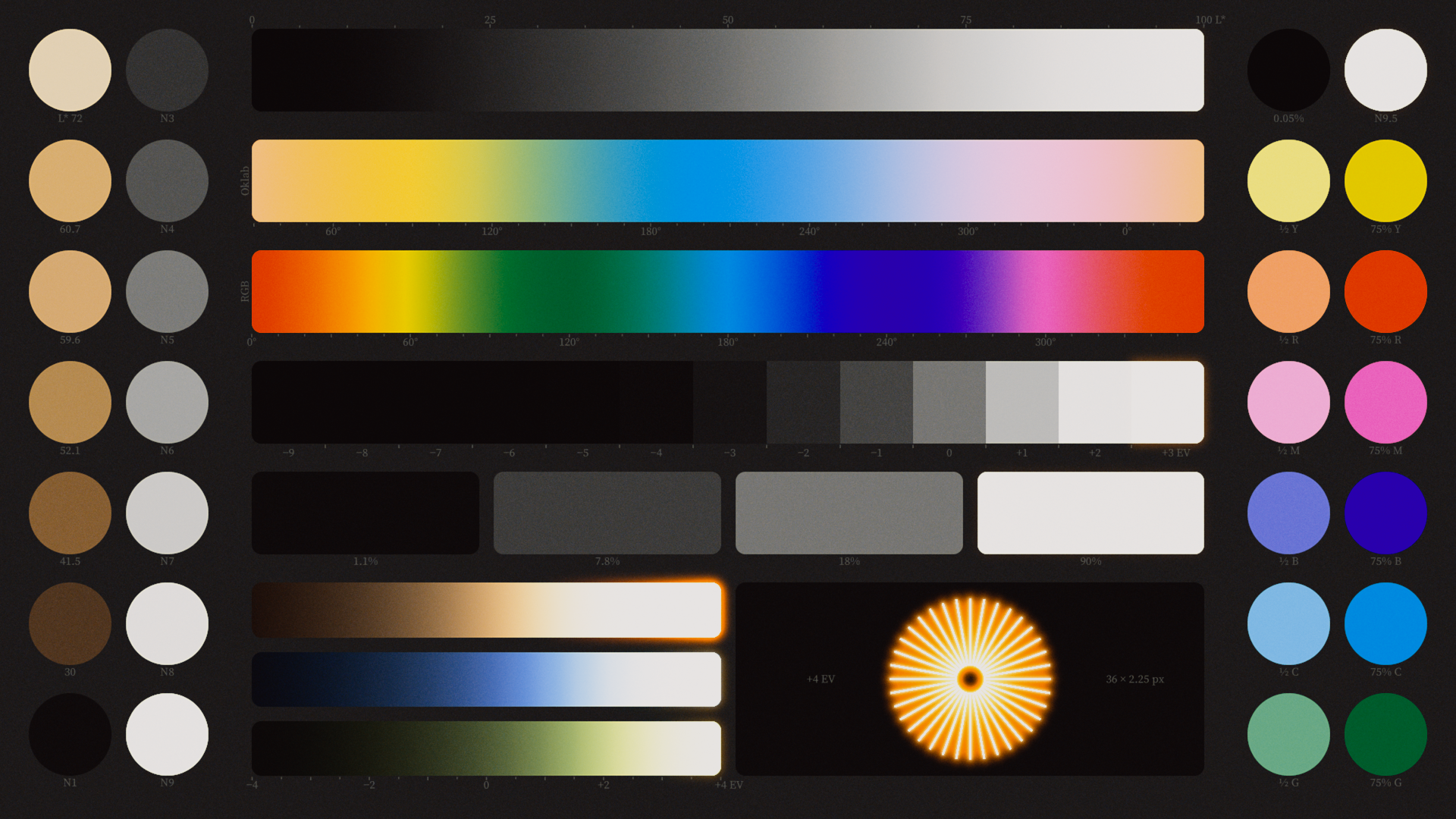
A three-colour model inspired by the process, not a reproduction of Gasparcolor. No curve, sensitivity or dye measurement exists, so every curve and dye shape is a named assumption and the dye-bleach step is not simulated; its MTF is borrowed from Kodak Vision3 50D and its grain from Kodak Ektachrome 100D.
Response curves and the evidence behind the model
Compare manufacturer data with Ashigrain’s response on the same axes. These curves show how the model is calibrated to its sources; they do not establish a match to photographed film.
Characteristic response
RMS granularity
Density variation (σD). Where the datasheet gives a single grain value, the response away from that point is an approximation.
| Channel | Density | Datasheet-based σD | Model σD |
|---|---|---|---|
| R | 0.3 | 0.007124 | 0.007053 |
| G | 0.3 | 0.005072 | 0.005013 |
| B | 0.3 | 0.008923 | 0.00881 |
| R | 0.6 | 0.01346 | 0.013325 |
| G | 0.6 | 0.010304 | 0.010185 |
| B | 0.6 | 0.020701 | 0.020439 |
| R | 1 | 0.020663 | 0.020456 |
| G | 1 | 0.017831 | 0.017624 |
| B | 1 | 0.031188 | 0.030792 |
| R | 1.5 | 0.02849 | 0.028205 |
| G | 1.5 | 0.027018 | 0.026704 |
| B | 1.5 | 0.058353 | 0.057613 |
| R | 2 | 0.030736 | 0.030428 |
| G | 2 | 0.032685 | 0.032306 |
| B | 2 | 0.054298 | 0.05361 |
Model limits
These images show the film model in use. Spectral response, lighting and viewing conditions include approximations. Halation, bloom, grain size, weave and flicker are not fully measured for each film. The look of real film also depends on development and print timing.
- This is a three-colour model inspired by Gasparcolor, rather than a reproduction of the original print film.
- No characteristic curve, spectral sensitivity, dye spectrum, MTF or grain measurement of Gasparcolor exists in the sources. Every curve is generated from named assumptions, guided by an archive description, a 1945 history and Gáspár's patents.
- The separation filters, the single tone curve and the dye shapes are assumptions; the dye peaks sit near textbook maxima of the dyes named in the sources, and their widths and strengths were chosen for a neutral grey.
- The silver dye-bleach step and the intermediate positives are folded into one tone curve; the model does not simulate dye bleaching.
- The exposure index of 12, the daylight balance and the 35 mm format are assumptions.
- MTF is proxied from Kodak Vision3 50D (5203) and grain from Kodak Ektachrome 100D (5294).
- Custom lighting spectra, camera metering and the spectral reflectance inferred from fixed-white-balance footage are assumptions used by the model, not measurements of this film.
- Push and pull have no published curves for this film and use a generic model.
- Characteristic response outside the published exposure range is an extrapolation, not measured film data.
- The available sources do not measure veiling flare during projection. The model approximates its contribution to lifted blacks on screen, so the result is not a measured projection contrast.
Reciprocity: not modelled. Exposure time has no effect on this film.
Film guide: assumptions and practical choices
Sources
- Process: FILM ATLAS entry 532: Gasparcolor, Wayback capture 20261019104855 of www.filmatlas.com/entry/532, p. 1
- Reconstructed: FILM ATLAS entry 532: Gasparcolor, Wayback capture 20261019104855 of www.filmatlas.com/entry/532, p. 1