 Ashigrain
Barwny film pozytywowy · Film pozytywowy
Technicolor Dye Transfer (1997 revival)
Powrót transferu barwników Technicolor pod koniec lat 90.
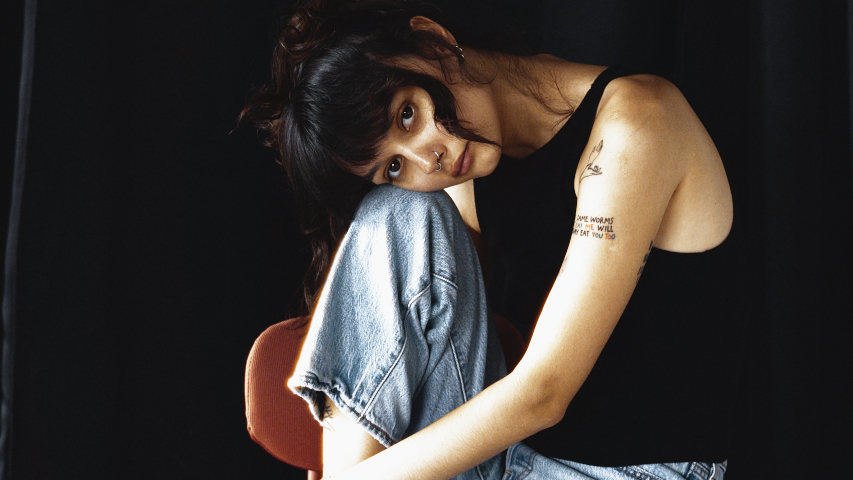
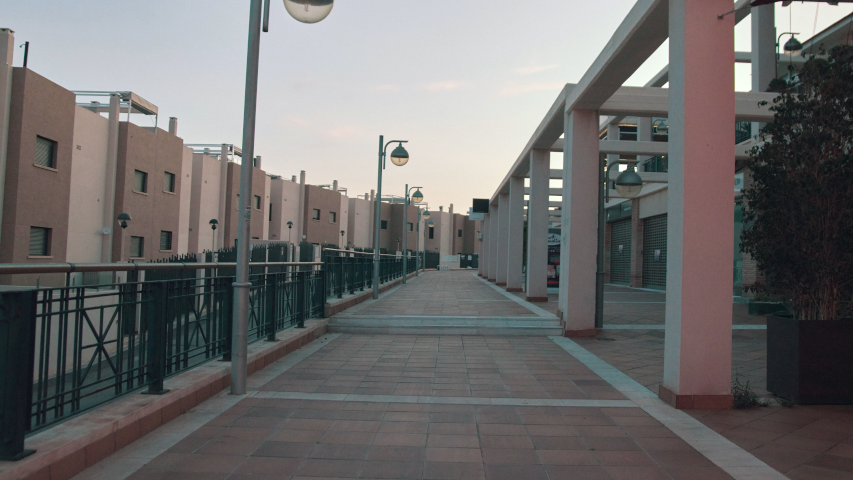
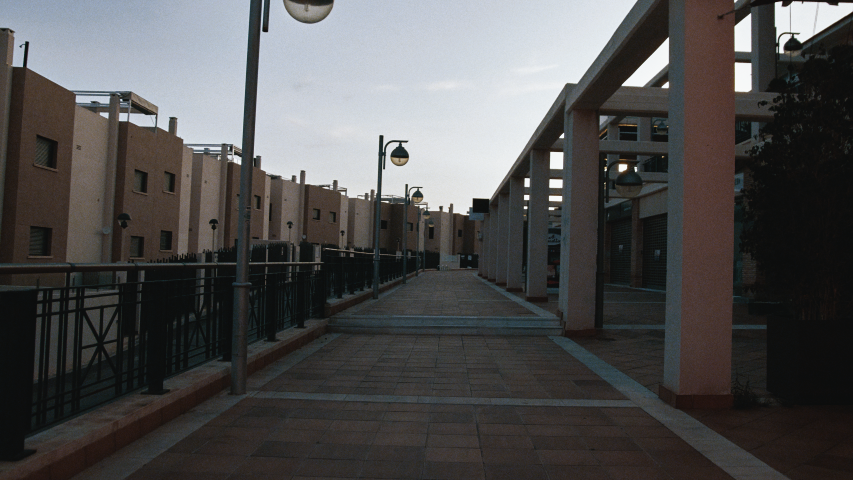
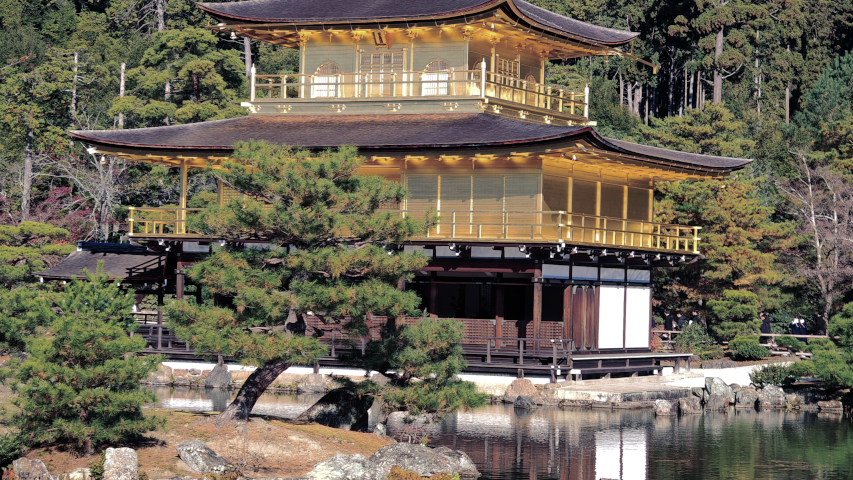
A labelled surrogate of Technicolor's late-1990s dye-transfer revival: the Process IV model with no key image and an assumed steeper tone for deeper blacks. Original vs Ashigrain.
W skrócie
- Wprowadzenie
- 1997
- Wycofany
- Proces
- three separation records printed onto matrix film, developed to hardened gelatin reliefs, imbibed with cyan, magenta and yellow dyes and transferred in register onto a blank
- Gęstość maksymalna
- ≈ 2,8
- Podłoże
- Poliester
O filmie
Technicolor zaprzestał kopiowania transferem barwników w Stanach Zjednoczonych w połowie lat 70., od początku lat 90. badał jego przywrócenie i wrócił do niego w 1997 roku w swoim laboratorium w North Hollywood na terenie Universalu.
W tym celu odkupił urządzenia do transferu barwników, które jego zakład w West Drayton sprzedał Chinom pod koniec lat 70. Film Atlas wskazuje Batman & Robin (1997) jako pierwszy film wydany z nowymi kopiami, wyłącznie jako kopie premierowe, a w grudniu 1997 roku Los Angeles Times donosił, że proces zastosowano dotąd do kilku kopii Giant i Batman & Robin. Ricotta, jeden z głównych twórców powrotu, mówił, że daje on ostrzejsze, mniej ziarniste obrazy i rozszerzoną skalę tonalną, z czarniejszymi czerniami i bielszymi bielami. Kopie wykonywano na czystych taśmach poliestrowych Estar dostarczanych przez firmę Kodak, ze ścieżkami dźwiękowymi kopiowanymi czarno-biało. Używano go do kopii premierowych nowych filmów, takich jak Bulworth, The Thin Red Line i Godzilla (wszystkie z 1998 roku), Pearl Harbor i Apocalypse Now Redux (oba z 2001 roku), oraz do wznowień Rear Window, Gone with the Wind i The Wizard of Oz. Wznowienie Rear Window z 1999 roku miało około 40 kopii z transferu barwników. Powrót miał się rozrosnąć do dużych nakładów eksploatacyjnych, ale pozostał przy małych z powodu problemów z kontrolą jakości, awarii technicznych i nadejścia projekcji cyfrowej, a na początku XXI wieku się zakończył.
Źródła tej historii
- Technicolor dye-transfer revival (Robert Hoffman), Film Atlas (FIAF / George Eastman Museum)
- Technicolor prints from color negatives (Richard W. Haines), Film Atlas (FIAF / George Eastman Museum)
- Film restoration more than 'Rear Window'-dressing (Bill Desowitz, 11 December 1997), CNN Interactive (Los Angeles Times)
Charakter obrazu
W 1997 roku Technicolor przywrócił kopiowanie transferem barwników dla kopii premierowych nowych filmów i wznawianych klasyków, na podłożu poliestrowym; na początku XXI wieku znów go zaprzestano. Wersja Ashigrain to oznaczony zamiennik, model inspirowany kopią, a nie jej reprodukcja: model Process IV bez obrazu kluczowego i z bardziej stromą tonalnością.

Najlepsze zastosowania
- Wygląd kopii premierowych z końca lat 90.
- Odnowione wznowienia klasyków wytwórni
- Głębokie czernie z nasyconym kolorem barwników
Porównaj filmy pozytywowe
The same Vision3 500T night frame on each print film: how deep the blacks go, how the highlights roll off and how the colour separates.
The same Vision3 500T night frame on each print film: how deep the blacks go, how the highlights roll off and how the colour separates.
The same Vision3 500T night frame on each print film: how deep the blacks go, how the highlights roll off and how the colour separates.
The same Vision3 500T night frame on each print film: how deep the blacks go, how the highlights roll off and how the colour separates.
The same Vision3 500T night frame on each print film: how deep the blacks go, how the highlights roll off and how the colour separates.
The same Vision3 500T night frame on each print film: how deep the blacks go, how the highlights roll off and how the colour separates.
The same Vision3 500T night frame on each print film: how deep the blacks go, how the highlights roll off and how the colour separates.
The same Vision3 500T night frame on each print film: how deep the blacks go, how the highlights roll off and how the colour separates.
The same Vision3 500T night frame on each print film: how deep the blacks go, how the highlights roll off and how the colour separates.
The same Vision3 500T night frame on each print film: how deep the blacks go, how the highlights roll off and how the colour separates.
The same Vision3 500T night frame on each print film: how deep the blacks go, how the highlights roll off and how the colour separates.
The same Vision3 500T night frame on each print film: how deep the blacks go, how the highlights roll off and how the colour separates.
The same Vision3 500T night frame on each print film: how deep the blacks go, how the highlights roll off and how the colour separates.
The same Vision3 500T night frame on each print film. On this two-colour print (a labelled surrogate) every colour falls between blue-green and red-orange: how deep the blacks go, how the highlights roll off and which lights keep their hue.
The same Vision3 500T night frame on each print film: how deep the blacks go, how the highlights roll off and how the colour separates.
The same Vision3 500T night frame on each print film: how deep the blacks go, how the highlights roll off and how the colour separates.
The same Vision3 500T night frame on each print film: how deep the blacks go, how the highlights roll off and how the colour separates.
The same Vision3 500T night frame on each print film: how deep the blacks go, how the highlights roll off and how the colour separates.
The same Vision3 500T night frame on each print film: how deep the blacks go, how the highlights roll off and how the colour separates.
The same Vision3 500T night frame on each print film: how deep the blacks go, how the highlights roll off and how the colour separates.
The same Vision3 500T night frame on each print film: how deep the blacks go, how the highlights roll off and how the colour separates.
The same Vision3 500T night frame on each print film: how deep the blacks go, how the highlights roll off and how the colour separates.
The same Vision3 500T night frame on each print film: how deep the blacks go, how the highlights roll off and how the colour separates.
The same Vision3 500T night frame on each print film: how deep the blacks go, how the highlights roll off and how the colour separates.
The same Vision3 500T night frame on each print film. On this blue-sensitive black-and-white print the colour negative turns grey: how deep the blacks go, how the highlights roll off and how dark the reds and greens print.
The same Vision3 500T night frame on each print film: how deep the blacks go, how the highlights roll off and how the colour separates.
The same Vision3 500T night frame on each print film. On this blue-sensitive black-and-white print the colour negative turns grey: how deep the blacks go, how the highlights roll off and how dark the red neon and skin print.
The same Vision3 500T night frame on each print film: how deep the blacks go, how the highlights roll off and how the colour separates.
The same Vision3 500T night frame on each print film. On this black-and-white print the colour negative turns grey: how deep the blacks go, how the highlights roll off and how the coloured lights and skin translate to grey.
The same Vision3 500T night frame on each print film. On this blue-sensitive black-and-white print the colour negative turns grey: how deep the blacks go, how the highlights roll off and how the coloured lights and skin translate to grey.
The same Vision3 500T night frame on each print film: how deep the blacks go, how the highlights roll off and how the colour separates.
The same Vision3 500T night frame on each print film: how deep the blacks go, how the highlights roll off and how the colour separates.
The same Vision3 500T night frame on each print film: how deep the blacks go, how the highlights roll off and how the colour separates.
The same Vision3 500T night frame on each print film: how deep the blacks go, how the highlights roll off and how the colour separates.
The same Vision3 500T night frame on each print film: how deep the blacks go, how the highlights roll off and how the colour separates.
The same Vision3 500T night frame on each print film. On this two-colour print (a labelled surrogate) every colour falls between a blue and a red dye: how deep the blacks go, how the highlights roll off and which lights keep their hue.
The same Vision3 500T night frame on each print film: how deep the blacks go, how the highlights roll off and how the colour separates.
Ta sama nocna klatka z filmu Kodak Vision3 500T, skopiowana na każdy pozytyw.
- Kodak Vision Premier Color Print Film 2393
- Eastman Color SP Print Film 5383
- Eastman Color Print Film 5384
- Fujifilm Eterna-CP 3521XD
- Du Pont Color Release Positive Type 275
- Fujifilm Eterna-CP 3523XD
- Kodak Vision Color Print Film 2383
- Fujifilm Eterna-CP 3513DI
- Eastman EXR Color Print Film 5386
- Eastman Color Print Film 5381 (1972)
- Eastman Color Print Film 5385
- Agfa CP30 Colour Print Film
- SuperCinecolor
- Cinecolor (two-colour)
- Gevacolor Positive 953
- Gevacolor Print 9.85
- Gevacolor Print 986
- Gevacolor Print 982
- Ferraniacolor Positive
- 3M Color Positive 650
- Fujicolor Positive F-CP 3510
- Fujicolor Positive F-CP 3519
- Fujifilm Eterna-CP 3512
- Eastman Color Print 5381 (1950)
- Eastman Fine Grain Release Positive 5302
- Ansco Color Print 848
- Kodak B&W Print Film 2302
- Svema TsP-11
- Svema MZ-3
- ORWO PF 2 Positive Print Film
- Technicolor Dye Transfer (1997 revival)
- Svema TsP-8R
- Shostka Colour Positive (1950s)
- Technicolor Dye Transfer (Process IV)
- Gasparcolor Print
- Trucolor Print (two-colour)
- Kodak Vision Color Teleprint Film 2395
Nauka i źródła

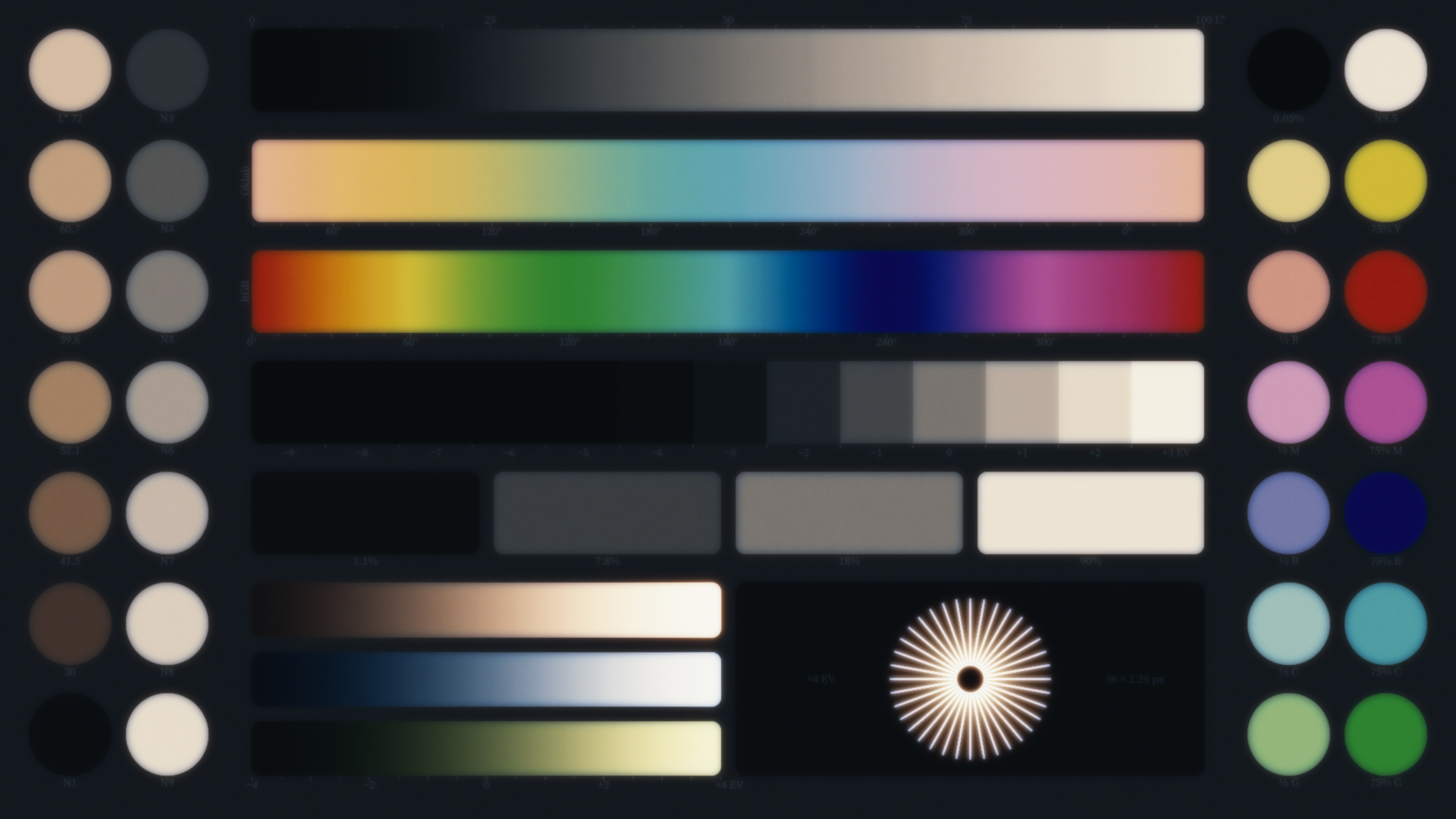
Trójbarwny model inspirowany kopią z okresu powrotu, a nie jej reprodukcja, pokazany po Kodak Vision3 500T. Dzieli założone krzywe, czułości rekordów i barwniki z modelem Technicolor Process IV, bez obrazu kluczowego i z założoną bardziej stromą gammą matrycy 2.7 dla rozszerzonej skali tonalnej, którą deklarował powrót.
Krzywe odpowiedzi i podstawy modelu
Porównaj dane producenta z odpowiedzią Ashigrain na tych samych osiach. Krzywe pokazują kalibrację modelu do źródeł; nie potwierdzają zgodności z obrazem zarejestrowanym na filmie.
Odpowiedź charakterystyczna
Ograniczenia modelu
Te obrazy pokazują działanie modelu filmu. Odpowiedź widmowa, oświetlenie i warunki oglądania zawierają przybliżenia, a halacja, poświata, rozmiar ziarna, niestabilność i migotanie nie są w pełni zmierzone dla każdego filmu. Rzeczywiste ujęcie zależy też od wywołania i ustawień kopiowania.
- To trójbarwny model inspirowany powrotem transferu barwników Technicolor z lat 1997–2002, a nie reprodukcja jego kopii.
- W źródłach nie istnieje żadna krzywa charakterystyczna, filtr selekcyjny, gamma matrycy ani widmo barwnika kopii z okresu powrotu. Krzywe, czułości rekordów i barwniki transferowe są te same co w zamienniku Technicolor Process IV od Ashigrain, same będące nazwanymi założeniami.
- Różni się tylko tam, gdzie mówi o tym źródło: nie ma obrazu kluczowego, a gamma matrycy 2.7, bardziej stroma niż 2.6 w Process IV, jest założeniem odpowiadającym rozszerzonej skali tonalnej, którą deklarował powrót.
- Podłoże poliestrowe jest odnotowane, ale niemodelowane.
- Źródło nie podaje widm lampy ani filtrów kopiarki. Ich odpowiedź spektralna jest przybliżona.
- Modelowane światło rozproszone projekcji podnosi czerń na ekranie. Jego siła jest założeniem, bo dostępne źródła jej nie mierzą, więc nie określa zmierzonego kontrastu projekcji.
Efekt Schwarzschilda: niemodelowany. Czas naświetlania nie wpływa na ten film.
Przewodnik po filmach: założenia i praktyczne wybory
Ten podgląd łączy pozytyw ze wskazanym negatywem kamerowym. W tym porównaniu pozytyw nie ma osobnego wskaźnika ekspozycji ani własnej zmierzonej odpowiedzi ziarna.
Źródła
- Process: J. A. Ball, The Technicolor Process of Three-Color Cinematography (American WideScreen Museum transcription), widescreenmuseum.com/oldcolor/ball.htm as served 2026-10-28 (transcription; figures ballpic1a.gif, ballpic2.gif not registered), s. 1
- Reconstructed: J. A. Ball, The Technicolor Process of Three-Color Cinematography (American WideScreen Museum transcription), widescreenmuseum.com/oldcolor/ball.htm as served 2026-10-28 (transcription; figures ballpic1a.gif, ballpic2.gif not registered), s. 1
Wprowadź ten film do swojej korekcji barwnej.
Wszystkie filmy w jednym zakupie, bez abonamentu.
€199 + VAT