 Ashigrain
Barwny film pozytywowy · Film pozytywowy
Fujifilm Eterna-CP 3512
Ostatnia ogólna kopia eksploatacyjna Fujifilm, z większym kontrastem.
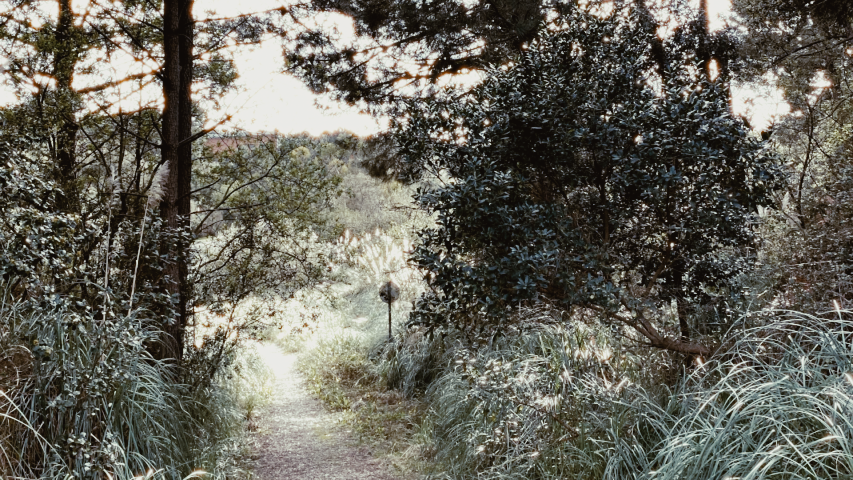
One of Fujifilm's last release prints, modelled entirely from its own 2010 data sheet: natural, balanced colour with markedly more contrast. Original vs Ashigrain.
W skrócie
- Wprowadzenie
- najpóźniej w 2010 r.
- Wycofany w 2013
- Proces
- ECP-2B
- Gęstość maksymalna
- ≈ 3,7
- Podłoże
- Poliester
O filmie
Fujicolor Positive Film Eterna-CP 3512 była barwną taśmą kopiową do kopii eksploatacyjnych, oznaczoną 3512 w formacie 35 mm i 3612 w 16 mm, wylewaną na poliester.
Jej karta katalogowa pochodzi z 2010 roku i nie występuje ona w podręczniku kinowym Fujifilm 2007/2008, który wymieniał taśmę kopiową F-CP, Eterna-CP 3513DI i Eterna-CP 3521XD. Wcześniejszą ogólną taśmą kopiową Fujifilm była F-CP 3510. W podręczniku Fujifilm z 2011 roku stała obok Eterna-CP 3514DI i Eterna-CP 3523XD w ostatniej ofercie taśm kopiowych firmy. Karta z 2010 roku podaje obróbkę ECP-2B, a podręcznik z 2011 roku wymienia ECP-2D i ECP-2E. Fujifilm celował w gęstości Status A wynoszące 1.10 dla czerwieni, 1.05 dla zieleni i 1.05 dla błękitu dla 18-procentowej szarej karty przy projekcji ksenonowej, a karta nie podaje ziarnistości RMS. Fujifilm zakończył całą produkcję taśm kinowych, w tym pozytywu barwnego, 31 marca 2013 roku. Jego lista wycofanych filmów z 2013 roku wymieniała Eterna-CP 3512 i podsumowywała ją jako naturalny, zrównoważony kolor ze znacznie większym kontrastem.
Źródła tej historii
- FUJICOLOR POSITIVE FILM ETERNA-CP 35mm Type 3512 / 16mm Type 3612 (KB-1002E), FUJIFILM Corporation
- Motion Picture Film Manual KB-1101E, FUJIFILM Corporation
- Motion Picture Film Manual (KB-0707E), FUJIFILM Corporation
- Announcement on Motion Picture Film Business of Fujifilm, FUJIFILM Corporation
- Fujifilm, Film and Digital Times
- Discontinued Films, FUJIFILM Corporation
Charakter obrazu
Fujifilm Eterna-CP 3512 była jedną z ostatnich barwnych taśm kopiowych firmy Fujifilm do kopii eksploatacyjnych, na podłożu poliestrowym. Fujifilm podsumowywał ją jako naturalny, zrównoważony kolor ze znacznie zwiększonym kontrastem. Krzywe, barwniki i czułość pochodzą z własnej karty katalogowej firmy Fujifilm.





Najlepsze zastosowania
- Kopiowanie negatywów Fujifilm Eterna
- Mocny kontrast późnych kopii eksploatacyjnych
- Porównanie Eterna-CP 3512 z Kodak 2383
Porównaj filmy pozytywowe
The same Vision3 500T night frame on each print film: how deep the blacks go, how the highlights roll off and how the colour separates.
The same Vision3 500T night frame on each print film: how deep the blacks go, how the highlights roll off and how the colour separates.
The same Vision3 500T night frame on each print film: how deep the blacks go, how the highlights roll off and how the colour separates.
The same Vision3 500T night frame on each print film: how deep the blacks go, how the highlights roll off and how the colour separates.
The same Vision3 500T night frame on each print film: how deep the blacks go, how the highlights roll off and how the colour separates.
The same Vision3 500T night frame on each print film: how deep the blacks go, how the highlights roll off and how the colour separates.
The same Vision3 500T night frame on each print film: how deep the blacks go, how the highlights roll off and how the colour separates.
The same Vision3 500T night frame on each print film: how deep the blacks go, how the highlights roll off and how the colour separates.
The same Vision3 500T night frame on each print film: how deep the blacks go, how the highlights roll off and how the colour separates.
The same Vision3 500T night frame on each print film: how deep the blacks go, how the highlights roll off and how the colour separates.
The same Vision3 500T night frame on each print film: how deep the blacks go, how the highlights roll off and how the colour separates.
The same Vision3 500T night frame on each print film: how deep the blacks go, how the highlights roll off and how the colour separates.
The same Vision3 500T night frame on each print film: how deep the blacks go, how the highlights roll off and how the colour separates.
The same Vision3 500T night frame on each print film. On this two-colour print (a labelled surrogate) every colour falls between blue-green and red-orange: how deep the blacks go, how the highlights roll off and which lights keep their hue.
The same Vision3 500T night frame on each print film: how deep the blacks go, how the highlights roll off and how the colour separates.
The same Vision3 500T night frame on each print film: how deep the blacks go, how the highlights roll off and how the colour separates.
The same Vision3 500T night frame on each print film: how deep the blacks go, how the highlights roll off and how the colour separates.
The same Vision3 500T night frame on each print film: how deep the blacks go, how the highlights roll off and how the colour separates.
The same Vision3 500T night frame on each print film: how deep the blacks go, how the highlights roll off and how the colour separates.
The same Vision3 500T night frame on each print film: how deep the blacks go, how the highlights roll off and how the colour separates.
The same Vision3 500T night frame on each print film: how deep the blacks go, how the highlights roll off and how the colour separates.
The same Vision3 500T night frame on each print film: how deep the blacks go, how the highlights roll off and how the colour separates.
The same Vision3 500T night frame on each print film: how deep the blacks go, how the highlights roll off and how the colour separates.
The same Vision3 500T night frame on each print film: how deep the blacks go, how the highlights roll off and how the colour separates.
The same Vision3 500T night frame on each print film. On this blue-sensitive black-and-white print the colour negative turns grey: how deep the blacks go, how the highlights roll off and how dark the reds and greens print.
The same Vision3 500T night frame on each print film: how deep the blacks go, how the highlights roll off and how the colour separates.
The same Vision3 500T night frame on each print film. On this blue-sensitive black-and-white print the colour negative turns grey: how deep the blacks go, how the highlights roll off and how dark the red neon and skin print.
The same Vision3 500T night frame on each print film: how deep the blacks go, how the highlights roll off and how the colour separates.
The same Vision3 500T night frame on each print film. On this black-and-white print the colour negative turns grey: how deep the blacks go, how the highlights roll off and how the coloured lights and skin translate to grey.
The same Vision3 500T night frame on each print film. On this blue-sensitive black-and-white print the colour negative turns grey: how deep the blacks go, how the highlights roll off and how the coloured lights and skin translate to grey.
The same Vision3 500T night frame on each print film: how deep the blacks go, how the highlights roll off and how the colour separates.
The same Vision3 500T night frame on each print film: how deep the blacks go, how the highlights roll off and how the colour separates.
The same Vision3 500T night frame on each print film: how deep the blacks go, how the highlights roll off and how the colour separates.
The same Vision3 500T night frame on each print film: how deep the blacks go, how the highlights roll off and how the colour separates.
The same Vision3 500T night frame on each print film: how deep the blacks go, how the highlights roll off and how the colour separates.
The same Vision3 500T night frame on each print film. On this two-colour print (a labelled surrogate) every colour falls between a blue and a red dye: how deep the blacks go, how the highlights roll off and which lights keep their hue.
The same Vision3 500T night frame on each print film: how deep the blacks go, how the highlights roll off and how the colour separates.
Ta sama nocna klatka z filmu Kodak Vision3 500T, skopiowana na każdy pozytyw.
- Kodak Vision Premier Color Print Film 2393
- Eastman Color SP Print Film 5383
- Eastman Color Print Film 5384
- Fujifilm Eterna-CP 3521XD
- Du Pont Color Release Positive Type 275
- Fujifilm Eterna-CP 3523XD
- Kodak Vision Color Print Film 2383
- Fujifilm Eterna-CP 3513DI
- Eastman EXR Color Print Film 5386
- Eastman Color Print Film 5381 (1972)
- Eastman Color Print Film 5385
- Agfa CP30 Colour Print Film
- SuperCinecolor
- Cinecolor (two-colour)
- Gevacolor Positive 953
- Gevacolor Print 9.85
- Gevacolor Print 986
- Gevacolor Print 982
- Ferraniacolor Positive
- 3M Color Positive 650
- Fujicolor Positive F-CP 3510
- Fujicolor Positive F-CP 3519
- Fujifilm Eterna-CP 3512
- Eastman Color Print 5381 (1950)
- Eastman Fine Grain Release Positive 5302
- Ansco Color Print 848
- Kodak B&W Print Film 2302
- Svema TsP-11
- Svema MZ-3
- ORWO PF 2 Positive Print Film
- Technicolor Dye Transfer (1997 revival)
- Svema TsP-8R
- Shostka Colour Positive (1950s)
- Technicolor Dye Transfer (Process IV)
- Gasparcolor Print
- Trucolor Print (two-colour)
- Kodak Vision Color Teleprint Film 2395
Nauka i źródła

Barwna taśma kopiowa, pokazana po Fujifilm Eterna 250D. Wynik łączy odpowiedź negatywu i kopii. Krzywe charakterystyczne, czułość widmowa, gęstości barwników i CTF są zdigitalizowane z własnej karty katalogowej firmy Fujifilm z 2010 roku; żadnej wielkości nie zapożyczono z innego filmu.
Krzywe odpowiedzi i podstawy modelu
Porównaj dane producenta z odpowiedzią Ashigrain na tych samych osiach. Krzywe pokazują kalibrację modelu do źródeł; nie potwierdzają zgodności z obrazem zarejestrowanym na filmie.
Odpowiedź charakterystyczna
Ograniczenia modelu
Te obrazy pokazują działanie modelu filmu. Odpowiedź widmowa, oświetlenie i warunki oglądania zawierają przybliżenia, a halacja, poświata, rozmiar ziarna, niestabilność i migotanie nie są w pełni zmierzone dla każdego filmu. Rzeczywiste ujęcie zależy też od wywołania i ustawień kopiowania.
- Krzywe charakterystyczne mają względną oś naświetlenia: karta drukuje tylko pasek skali 0.5 log H, a krzywe zielona i niebieska są wydrukowane z przesunięciem o 1.0 log H. Ich bezwzględne naświetlenie nie jest określone.
- Dla tego filmu nie opublikowano ziarnistości RMS.
- Czułości widmowe pozostawiają lukę między 575 a 640 nm. Osobne krzywe barwników nie obejmują 400–700 nm (cyjan od około 490 nm, magenta do około 648 nm, żółty do około 697 nm); obejmuje go tylko krzywa szarości.
- Źródło nie drukuje tabeli warunków kopiowania ani widm lampy czy filtrów. Odpowiedź widmowa kopiarki jest przybliżona.
- Karta katalogowa jest odczytywana z zarchiwizowanej kopii.
- Modelowane światło rozproszone projekcji podnosi czerń na ekranie. Jego siła jest założeniem, bo dostępne źródła jej nie mierzą, więc nie określa zmierzonego kontrastu projekcji.
Efekt Schwarzschilda: niemodelowany. Czas naświetlania nie wpływa na ten film.
Przewodnik po filmach: założenia i praktyczne wybory
Ten podgląd łączy pozytyw ze wskazanym negatywem kamerowym. W tym porównaniu pozytyw nie ma osobnego wskaźnika ekspozycji ani własnej zmierzonej odpowiedzi ziarna.
Źródła
- Characteristic curves: FUJICOLOR POSITIVE FILM ETERNA-CP 3512 (35mm Type 3512 / 16mm Type 3612) data sheet, Ref. No. KB-1002E (SK•10•05•F1079), s. 1
- Process: FUJICOLOR POSITIVE FILM ETERNA-CP 3512 (35mm Type 3512 / 16mm Type 3612) data sheet, Ref. No. KB-1002E (SK•10•05•F1079), s. 2
Wprowadź ten film do swojej korekcji barwnej.
Wszystkie filmy w jednym zakupie, bez abonamentu.
€199 + VAT