 Ashigrain
Czarno-biały film pozytywowy · Film pozytywowy
Svema MZ-3
Свема МЗ-3
Radziecki czarno-biały pozytyw do masowych kopii eksploatacyjnych.
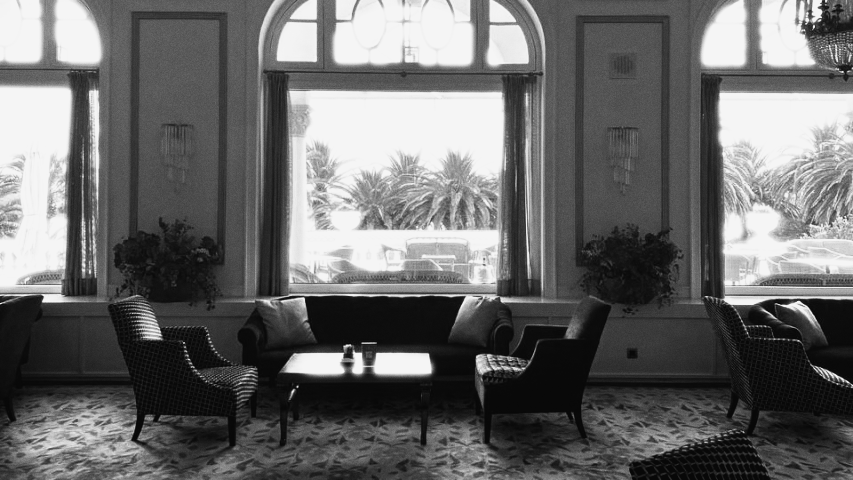
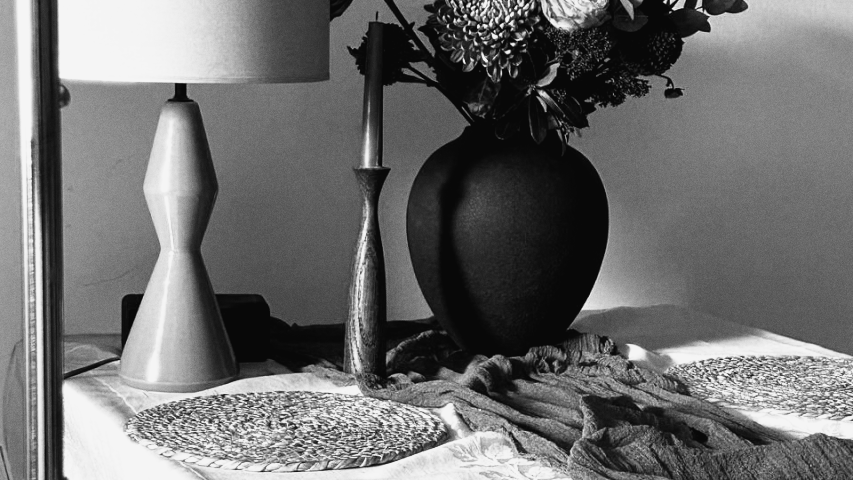
The Soviet mass-release black-and-white positive, reconstructed from handbook figures at a gamma of 2.6: neutral image tone on a ruined-city exterior. Original vs Ashigrain.
W skrócie
- Wprowadzenie
- najpóźniej w 1979 r.
- Proces
- ГОСТ 10691.3-84 developer No. 6, 2-4 min
- Gęstość maksymalna
- ≈ 3,0
O filmie
Svema MZ-3 (Свема МЗ-3) była radziecką czarno-białą taśmą pozytywową do masowego i bieżącego kopiowania filmów fabularnych.
Podręcznik operatora z 1979 roku ją opisuje i podkreśla jej dobrą ostrość, drobne ziarno i neutralny ton obrazu. Podręcznik podaje czułość od 2.8 do 5.5 jednostki GOST, kontrast 2.6 i zdolność rozdzielczą co najmniej 108 linii na milimetr. Produkowano ją w formatach 35 mm i 70 mm oraz jako materiał 32 mm z dwoma paskami 16 mm lub czterema 8 mm, a odmiana MZ-3M, z perforacją panoramiczną i czterema magnetycznymi ścieżkami dźwiękowymi, miała te same właściwości fotograficzne. Podręcznik akademicki z 1980 roku wymienia MZ-3 i MZ-3M wśród krajowych czarno-białych taśm pozytywowych. Podręcznik z 1990 roku podaje zadymienie najwyżej 0.04 i gęstość maksymalną co najmniej 3.0 po 4 minutach wywoływania, przy wyższym kontraście od 2.9 do 3.1. Nie podano dla niej żadnego uczulenia, a podręcznik z 1990 roku zauważa, że nieuczulony halogenek srebra reaguje tylko na światło poniżej około 500 nm.
Źródła tej historii
- Гордийчук И. Б., Пелль В. Г. Справочник кинооператора (1979), Internet Archive
- Иофис Е. А. Кинофотопроцессы и материалы (1980), Internet Archive
- Журба Ю. И. Краткий справочник по фотографическим процессам и материалам (1990), djvu.online
Charakter obrazu
Svema MZ-3 była radziecką czarno-białą taśmą kopiową do masowego kopiowania filmów fabularnych, udokumentowaną od 1979 roku. Podręcznik z 1979 roku podkreśla jej dobrą ostrość, drobne ziarno i neutralny ton obrazu. Ashigrain rekonstruuje ją z wartości podręcznikowych, z kształtem czułości zapożyczonym z Kodak 5302.




Najlepsze zastosowania
- Kopiowanie negatywów Tasma NK-2
- Wygląd radzieckich czarno-białych kopii eksploatacyjnych
- Porównanie MZ-3 z Kodak 2302
Porównaj filmy pozytywowe
The same Vision3 500T night frame on each print film: how deep the blacks go, how the highlights roll off and how the colour separates.
The same Vision3 500T night frame on each print film: how deep the blacks go, how the highlights roll off and how the colour separates.
The same Vision3 500T night frame on each print film: how deep the blacks go, how the highlights roll off and how the colour separates.
The same Vision3 500T night frame on each print film: how deep the blacks go, how the highlights roll off and how the colour separates.
The same Vision3 500T night frame on each print film: how deep the blacks go, how the highlights roll off and how the colour separates.
The same Vision3 500T night frame on each print film: how deep the blacks go, how the highlights roll off and how the colour separates.
The same Vision3 500T night frame on each print film: how deep the blacks go, how the highlights roll off and how the colour separates.
The same Vision3 500T night frame on each print film: how deep the blacks go, how the highlights roll off and how the colour separates.
The same Vision3 500T night frame on each print film: how deep the blacks go, how the highlights roll off and how the colour separates.
The same Vision3 500T night frame on each print film: how deep the blacks go, how the highlights roll off and how the colour separates.
The same Vision3 500T night frame on each print film: how deep the blacks go, how the highlights roll off and how the colour separates.
The same Vision3 500T night frame on each print film: how deep the blacks go, how the highlights roll off and how the colour separates.
The same Vision3 500T night frame on each print film: how deep the blacks go, how the highlights roll off and how the colour separates.
The same Vision3 500T night frame on each print film. On this two-colour print (a labelled surrogate) every colour falls between blue-green and red-orange: how deep the blacks go, how the highlights roll off and which lights keep their hue.
The same Vision3 500T night frame on each print film: how deep the blacks go, how the highlights roll off and how the colour separates.
The same Vision3 500T night frame on each print film: how deep the blacks go, how the highlights roll off and how the colour separates.
The same Vision3 500T night frame on each print film: how deep the blacks go, how the highlights roll off and how the colour separates.
The same Vision3 500T night frame on each print film: how deep the blacks go, how the highlights roll off and how the colour separates.
The same Vision3 500T night frame on each print film: how deep the blacks go, how the highlights roll off and how the colour separates.
The same Vision3 500T night frame on each print film: how deep the blacks go, how the highlights roll off and how the colour separates.
The same Vision3 500T night frame on each print film: how deep the blacks go, how the highlights roll off and how the colour separates.
The same Vision3 500T night frame on each print film: how deep the blacks go, how the highlights roll off and how the colour separates.
The same Vision3 500T night frame on each print film: how deep the blacks go, how the highlights roll off and how the colour separates.
The same Vision3 500T night frame on each print film: how deep the blacks go, how the highlights roll off and how the colour separates.
The same Vision3 500T night frame on each print film. On this blue-sensitive black-and-white print the colour negative turns grey: how deep the blacks go, how the highlights roll off and how dark the reds and greens print.
The same Vision3 500T night frame on each print film: how deep the blacks go, how the highlights roll off and how the colour separates.
The same Vision3 500T night frame on each print film. On this blue-sensitive black-and-white print the colour negative turns grey: how deep the blacks go, how the highlights roll off and how dark the red neon and skin print.
The same Vision3 500T night frame on each print film: how deep the blacks go, how the highlights roll off and how the colour separates.
The same Vision3 500T night frame on each print film. On this black-and-white print the colour negative turns grey: how deep the blacks go, how the highlights roll off and how the coloured lights and skin translate to grey.
The same Vision3 500T night frame on each print film. On this blue-sensitive black-and-white print the colour negative turns grey: how deep the blacks go, how the highlights roll off and how the coloured lights and skin translate to grey.
The same Vision3 500T night frame on each print film: how deep the blacks go, how the highlights roll off and how the colour separates.
The same Vision3 500T night frame on each print film: how deep the blacks go, how the highlights roll off and how the colour separates.
The same Vision3 500T night frame on each print film: how deep the blacks go, how the highlights roll off and how the colour separates.
The same Vision3 500T night frame on each print film: how deep the blacks go, how the highlights roll off and how the colour separates.
The same Vision3 500T night frame on each print film: how deep the blacks go, how the highlights roll off and how the colour separates.
The same Vision3 500T night frame on each print film. On this two-colour print (a labelled surrogate) every colour falls between a blue and a red dye: how deep the blacks go, how the highlights roll off and which lights keep their hue.
The same Vision3 500T night frame on each print film: how deep the blacks go, how the highlights roll off and how the colour separates.
Ta sama nocna klatka z filmu Kodak Vision3 500T, skopiowana na każdy pozytyw.
- Kodak Vision Premier Color Print Film 2393
- Eastman Color SP Print Film 5383
- Eastman Color Print Film 5384
- Fujifilm Eterna-CP 3521XD
- Du Pont Color Release Positive Type 275
- Fujifilm Eterna-CP 3523XD
- Kodak Vision Color Print Film 2383
- Fujifilm Eterna-CP 3513DI
- Eastman EXR Color Print Film 5386
- Eastman Color Print Film 5381 (1972)
- Eastman Color Print Film 5385
- Agfa CP30 Colour Print Film
- SuperCinecolor
- Cinecolor (two-colour)
- Gevacolor Positive 953
- Gevacolor Print 9.85
- Gevacolor Print 986
- Gevacolor Print 982
- Ferraniacolor Positive
- 3M Color Positive 650
- Fujicolor Positive F-CP 3510
- Fujicolor Positive F-CP 3519
- Fujifilm Eterna-CP 3512
- Eastman Color Print 5381 (1950)
- Eastman Fine Grain Release Positive 5302
- Ansco Color Print 848
- Kodak B&W Print Film 2302
- Svema TsP-11
- Svema MZ-3
- ORWO PF 2 Positive Print Film
- Technicolor Dye Transfer (1997 revival)
- Svema TsP-8R
- Shostka Colour Positive (1950s)
- Technicolor Dye Transfer (Process IV)
- Gasparcolor Print
- Trucolor Print (two-colour)
- Kodak Vision Color Teleprint Film 2395
Nauka i źródła

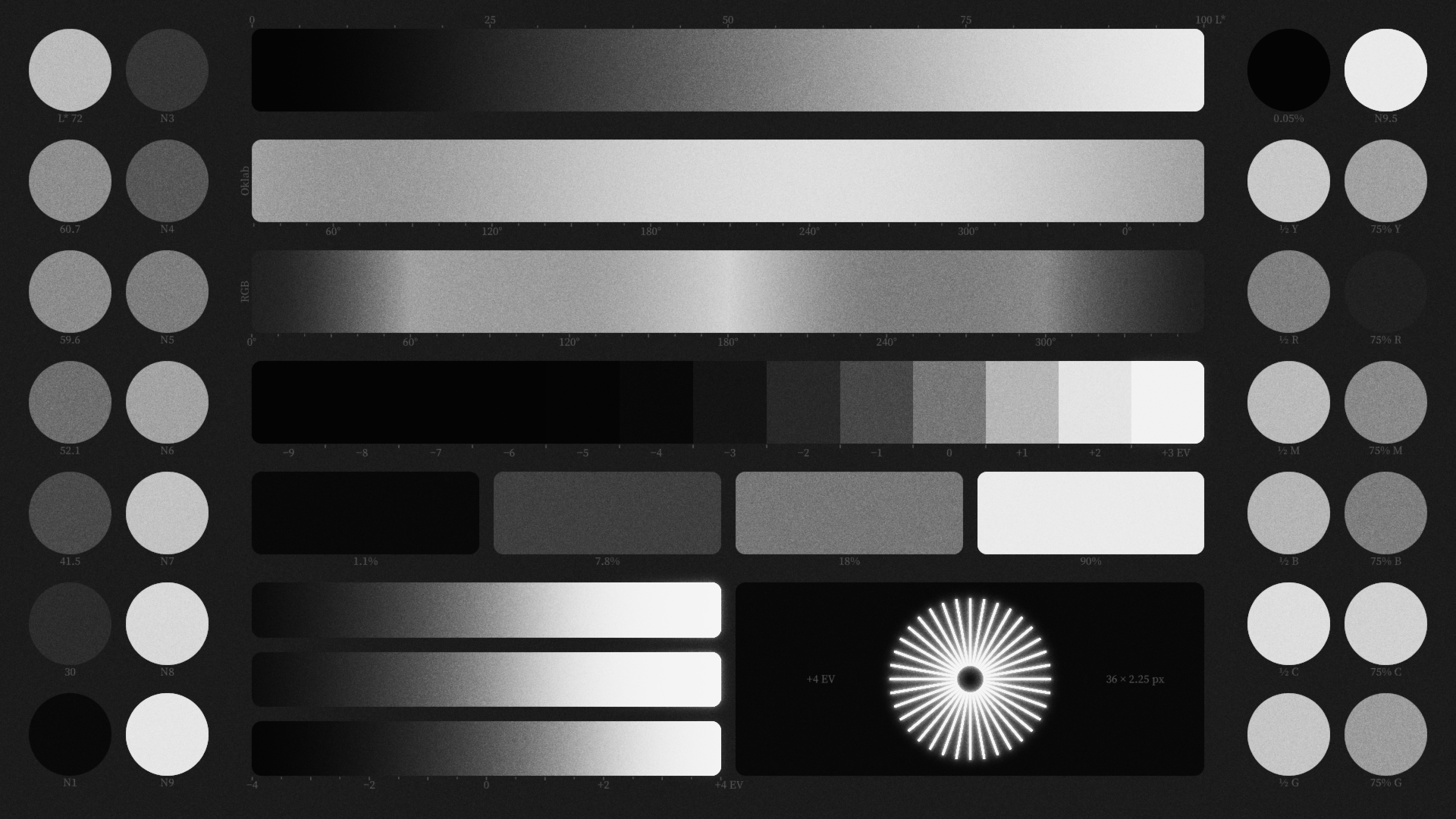
Radziecka czarno-biała taśma kopiowa, pokazana po Tasma NK-2. Nie opublikowano żadnej krzywej MZ-3: krzywa charakterystyczna jest zrekonstruowana z wartości podręcznikowych, a czułość wyłącznie na niebieskie światło bierze kształt z Eastman Fine Grain Release Positive 5302, zastępstwa, z założoną krawędzią przy 480 nm.
Poniższa informacja o znakach towarowych jest dostępna w języku angielskim.
Svema is named only to identify the film; its trademarks belong to their respective owners, whose identity is unknown.
Krzywe odpowiedzi i podstawy modelu
Porównaj dane producenta z odpowiedzią Ashigrain na tych samych osiach. Krzywe pokazują kalibrację modelu do źródeł; nie potwierdzają zgodności z obrazem zarejestrowanym na filmie.
Odpowiedź charakterystyczna
Ograniczenia modelu
Te obrazy pokazują działanie modelu filmu. Odpowiedź widmowa, oświetlenie i warunki oglądania zawierają przybliżenia, a halacja, poświata, rozmiar ziarna, niestabilność i migotanie nie są w pełni zmierzone dla każdego filmu. Rzeczywiste ujęcie zależy też od wywołania i ustawień kopiowania.
- Свема МЗ-3 nie ma opublikowanej krzywej. Jej krzywa charakterystyczna jest zrekonstruowana z radzieckich podręczników (Гордийчук & Пелль 1979; Журба 1990), a nie zdigitalizowana z karty katalogowej.
- Źródła różnią się co do kontrastu (2.6 w 1979 roku; 2.9–3.1 przy 4 minutach wywoływania w 1990 roku); model używa 2.6.
- Nie wydrukowano granicy uczulenia. Czułość wyłącznie na niebieskie światło bierze maksimum z Eastman Fine Grain Release Positive 5302, zastępstwa, a jej długofalowa krawędź przy 480 nm jest założeniem.
- Obraz srebrowy nie ma wykresu barwników i jest przyjmowany jako spektralnie neutralny.
- Nie wydrukowano ani MTF, ani ziarnistości; odnotowano tylko zdolność rozdzielczą co najmniej 108 linii/mm.
- Źródło nie podaje widm lampy ani filtrów kopiarki. Świetlenie czarno-białej kopii jest modelowane.
Efekt Schwarzschilda: niemodelowany. Czas naświetlania nie wpływa na ten film.
Przewodnik po filmach: założenia i praktyczne wybory
Źródła
- Reconstructed: Гордийчук И. Б., Пелль В. Г. Справочник кинооператора (1979), 1979 edition, s. 192
- Process: Журба Ю. И. Краткий справочник по фотографическим процессам и материалам (1990), 1990 edition, s. 91
Wprowadź ten film do swojej korekcji barwnej.
Wszystkie filmy w jednym zakupie, bez abonamentu.
€199 + VAT