 Ashigrain
Barwny film pozytywowy · Film pozytywowy
Eastman Color Print 5381 (1950)
Pierwsza kopia Eastman Color, z 1950 roku.
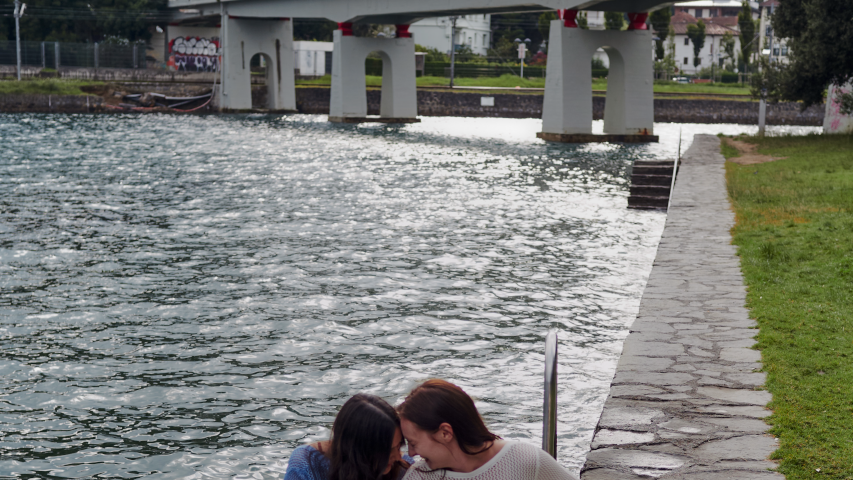
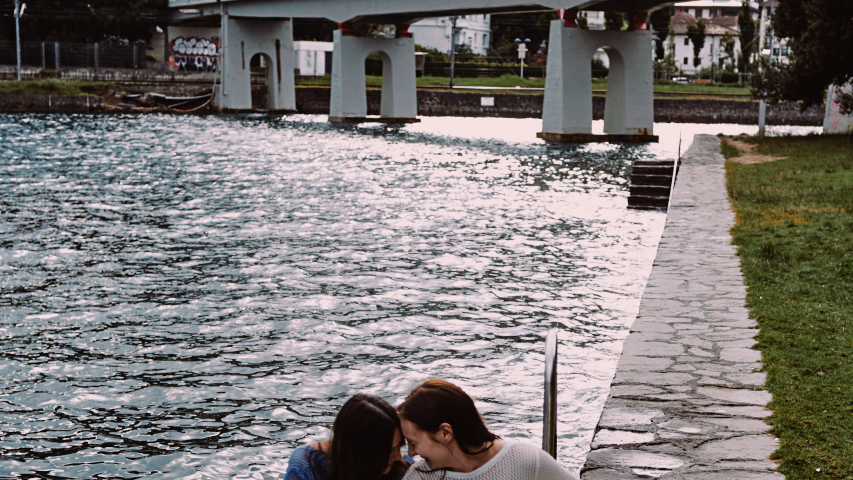
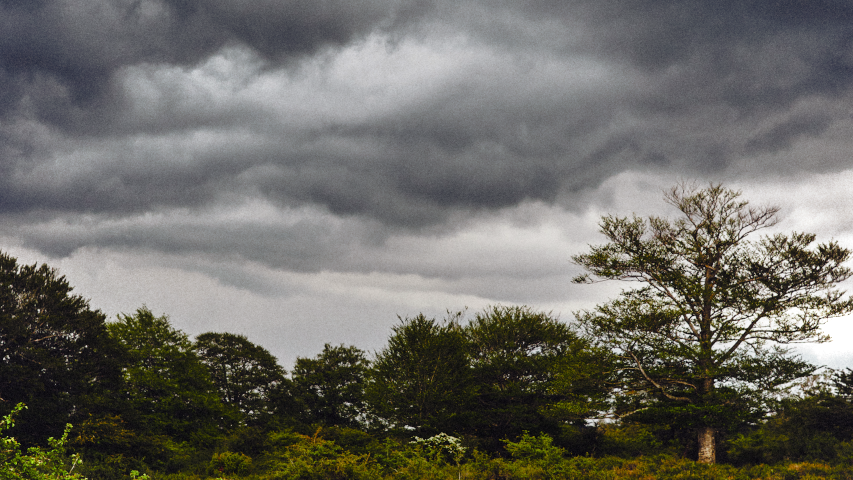
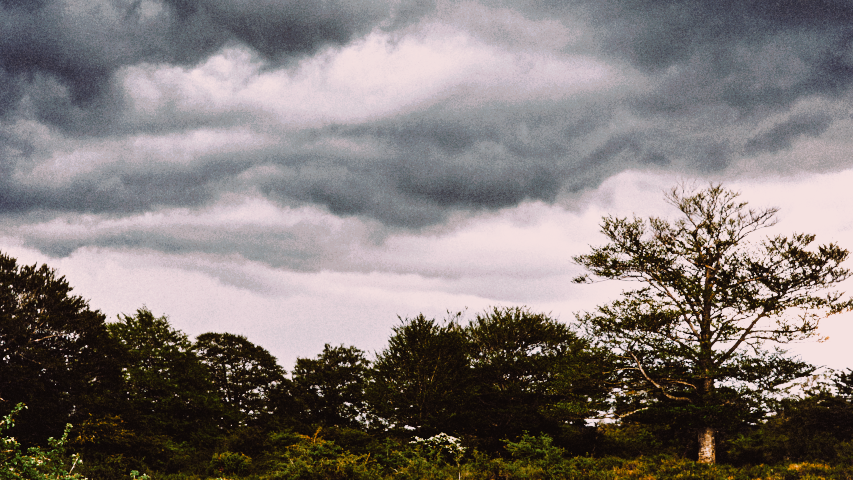
The first Eastman Color print, reconstructed from Hanson's 1952 curves and dyes with an assumed contrast: an early-1950s colour feature look. Original vs Ashigrain.
W skrócie
- Wprowadzenie
- 1950
- Wycofany w 1953
- Proces
- Eastman Color Print process of 1950 (Hanson Table II; carbonate prebath, colour development 12-15 min at 70 F, stop, wash, bleach, wash, sound-track development, wash, fix, wash, stabilizer)
- Gęstość maksymalna
- ≈ 3,5
O filmie
Eastman Color Print 5381 była kopiową połową pierwszego systemu negatyw-pozytyw Eastman Color firmy Kodak, opisanego w artykule, który Hanson z Kodak Research Laboratories przedstawił 27 kwietnia 1950 roku.
Kodak użył później tego numeru dla innej taśmy kopiowej z 1972 roku, która nie jest tą. Hanson przedstawił razem negatyw barwny 5247 i tę kopię w czasach, gdy trójwarstwowymi filmami barwnymi branży były Monopack, Ansco Color, 16-milimetrowy Kodachrome, a w Niemczech negatyw-pozytyw Agfacolor. Kopiowano ją z negatywu barwnego na zwykłej ciągłej kopiarce stykowej, choć wyrównanie barw między scenami wymagało bardziej złożonego sprzętu, i można ją było kopiować także z czarno-białych negatywów selekcyjnych. Jej warstwy ułożono w nietypowej kolejności, z czułą na niebieskie światło warstwą żółtą na dole pod niebiesko barwioną międzywarstwą, a nad nimi warstwami cyjanową i magentową, a jej barwniki wyważono dla światła projekcyjnego łuku węglowego 4000 K. Kronika firmy Kodak wymienia Royal Journey, pokazany w grudniu 1951 roku, jako film komercyjny zrobiony na negatywie 5247 i kopii 5381 bez materiałów pośrednich, oraz The Lion and the Horse (1952) jako pierwszy film fabularny łączący 5381 z systemem duplikowania przez filmy selekcyjne. Kodak otrzymał nagrodę Akademii za filmy negatywowy i kopiowy Eastman Color, a w 1953 roku zastąpił 5381 taśmą 5382.
Źródła tej historii
- Color Negative and Color Positive Film for Motion Picture Use (Journal of the SMPTE 58(3), March 1952), W. T. Hanson, Jr.
- Chronology of Film, Eastman Kodak Company
- Eastman Color Print Film 5381 (1950), Timeline of Historical Film Colors, University of Zurich
Charakter obrazu
Eastman Color Print 5381 była pierwszą taśmą kopiową systemu negatyw-pozytyw Eastman Color firmy Kodak, produkowaną od 1950 roku, aż w 1953 roku zastąpiła ją 5382. Ashigrain rekonstruuje ją z krzywych i barwników z artykułu Hansona z 1952 roku, z założonym kontrastem i zapożyczoną czułością widmową.


Najlepsze zastosowania
- Barwne filmy fabularne z początku lat 50.
- Pastisz wczesnego Eastman Color
- Porównanie 5381 z Kodak 2383
Porównaj filmy pozytywowe
The same Vision3 500T night frame on each print film: how deep the blacks go, how the highlights roll off and how the colour separates.
The same Vision3 500T night frame on each print film: how deep the blacks go, how the highlights roll off and how the colour separates.
The same Vision3 500T night frame on each print film: how deep the blacks go, how the highlights roll off and how the colour separates.
The same Vision3 500T night frame on each print film: how deep the blacks go, how the highlights roll off and how the colour separates.
The same Vision3 500T night frame on each print film: how deep the blacks go, how the highlights roll off and how the colour separates.
The same Vision3 500T night frame on each print film: how deep the blacks go, how the highlights roll off and how the colour separates.
The same Vision3 500T night frame on each print film: how deep the blacks go, how the highlights roll off and how the colour separates.
The same Vision3 500T night frame on each print film: how deep the blacks go, how the highlights roll off and how the colour separates.
The same Vision3 500T night frame on each print film: how deep the blacks go, how the highlights roll off and how the colour separates.
The same Vision3 500T night frame on each print film: how deep the blacks go, how the highlights roll off and how the colour separates.
The same Vision3 500T night frame on each print film: how deep the blacks go, how the highlights roll off and how the colour separates.
The same Vision3 500T night frame on each print film: how deep the blacks go, how the highlights roll off and how the colour separates.
The same Vision3 500T night frame on each print film: how deep the blacks go, how the highlights roll off and how the colour separates.
The same Vision3 500T night frame on each print film. On this two-colour print (a labelled surrogate) every colour falls between blue-green and red-orange: how deep the blacks go, how the highlights roll off and which lights keep their hue.
The same Vision3 500T night frame on each print film: how deep the blacks go, how the highlights roll off and how the colour separates.
The same Vision3 500T night frame on each print film: how deep the blacks go, how the highlights roll off and how the colour separates.
The same Vision3 500T night frame on each print film: how deep the blacks go, how the highlights roll off and how the colour separates.
The same Vision3 500T night frame on each print film: how deep the blacks go, how the highlights roll off and how the colour separates.
The same Vision3 500T night frame on each print film: how deep the blacks go, how the highlights roll off and how the colour separates.
The same Vision3 500T night frame on each print film: how deep the blacks go, how the highlights roll off and how the colour separates.
The same Vision3 500T night frame on each print film: how deep the blacks go, how the highlights roll off and how the colour separates.
The same Vision3 500T night frame on each print film: how deep the blacks go, how the highlights roll off and how the colour separates.
The same Vision3 500T night frame on each print film: how deep the blacks go, how the highlights roll off and how the colour separates.
The same Vision3 500T night frame on each print film: how deep the blacks go, how the highlights roll off and how the colour separates.
The same Vision3 500T night frame on each print film. On this blue-sensitive black-and-white print the colour negative turns grey: how deep the blacks go, how the highlights roll off and how dark the reds and greens print.
The same Vision3 500T night frame on each print film: how deep the blacks go, how the highlights roll off and how the colour separates.
The same Vision3 500T night frame on each print film. On this blue-sensitive black-and-white print the colour negative turns grey: how deep the blacks go, how the highlights roll off and how dark the red neon and skin print.
The same Vision3 500T night frame on each print film: how deep the blacks go, how the highlights roll off and how the colour separates.
The same Vision3 500T night frame on each print film. On this black-and-white print the colour negative turns grey: how deep the blacks go, how the highlights roll off and how the coloured lights and skin translate to grey.
The same Vision3 500T night frame on each print film. On this blue-sensitive black-and-white print the colour negative turns grey: how deep the blacks go, how the highlights roll off and how the coloured lights and skin translate to grey.
The same Vision3 500T night frame on each print film: how deep the blacks go, how the highlights roll off and how the colour separates.
The same Vision3 500T night frame on each print film: how deep the blacks go, how the highlights roll off and how the colour separates.
The same Vision3 500T night frame on each print film: how deep the blacks go, how the highlights roll off and how the colour separates.
The same Vision3 500T night frame on each print film: how deep the blacks go, how the highlights roll off and how the colour separates.
The same Vision3 500T night frame on each print film: how deep the blacks go, how the highlights roll off and how the colour separates.
The same Vision3 500T night frame on each print film. On this two-colour print (a labelled surrogate) every colour falls between a blue and a red dye: how deep the blacks go, how the highlights roll off and which lights keep their hue.
The same Vision3 500T night frame on each print film: how deep the blacks go, how the highlights roll off and how the colour separates.
Ta sama nocna klatka z filmu Kodak Vision3 500T, skopiowana na każdy pozytyw.
- Kodak Vision Premier Color Print Film 2393
- Eastman Color SP Print Film 5383
- Eastman Color Print Film 5384
- Fujifilm Eterna-CP 3521XD
- Du Pont Color Release Positive Type 275
- Fujifilm Eterna-CP 3523XD
- Kodak Vision Color Print Film 2383
- Fujifilm Eterna-CP 3513DI
- Eastman EXR Color Print Film 5386
- Eastman Color Print Film 5381 (1972)
- Eastman Color Print Film 5385
- Agfa CP30 Colour Print Film
- SuperCinecolor
- Cinecolor (two-colour)
- Gevacolor Positive 953
- Gevacolor Print 9.85
- Gevacolor Print 986
- Gevacolor Print 982
- Ferraniacolor Positive
- 3M Color Positive 650
- Fujicolor Positive F-CP 3510
- Fujicolor Positive F-CP 3519
- Fujifilm Eterna-CP 3512
- Eastman Color Print 5381 (1950)
- Eastman Fine Grain Release Positive 5302
- Ansco Color Print 848
- Kodak B&W Print Film 2302
- Svema TsP-11
- Svema MZ-3
- ORWO PF 2 Positive Print Film
- Technicolor Dye Transfer (1997 revival)
- Svema TsP-8R
- Shostka Colour Positive (1950s)
- Technicolor Dye Transfer (Process IV)
- Gasparcolor Print
- Trucolor Print (two-colour)
- Kodak Vision Color Teleprint Film 2395
Nauka i źródła

Barwna taśma kopiowa, pokazana po Eastman Color Negative 5247. Krzywe charakterystyczne i barwniki są odrysowane z artykułu Hansona z 1952 roku na skali log naświetlenia ustalonej przez założoną gammę 3.0, a czułość widmowa jest odtworzona z Eastman EXR Color Print Film 5386, zastępstwa. To film z 1950 roku, a nie późniejsza 5381 firmy Kodak z 1972 roku.
Krzywe odpowiedzi i podstawy modelu
Porównaj dane producenta z odpowiedzią Ashigrain na tych samych osiach. Krzywe pokazują kalibrację modelu do źródeł; nie potwierdzają zgodności z obrazem zarejestrowanym na filmie.
Odpowiedź charakterystyczna
Ograniczenia modelu
Te obrazy pokazują działanie modelu filmu. Odpowiedź widmowa, oświetlenie i warunki oglądania zawierają przybliżenia, a halacja, poświata, rozmiar ziarna, niestabilność i migotanie nie są w pełni zmierzone dla każdego filmu. Rzeczywiste ujęcie zależy też od wywołania i ustawień kopiowania.
- Artykuł Hansona nie drukuje skali log naświetlenia dla krzywych charakterystycznych; skalę ustala założona gamma kopii 3.0 na krzywej zielonej, więc kontrast filmu jest założeniem.
- Krzywe i barwniki są odrysowane z rastrowych rycin w skanie mikrofilmu, każda w jednym przejściu, więc błąd digitalizacji nie jest mierzony.
- Czułość widmowa nie jest wydrukowana. Jest odtworzona z Eastman EXR Color Print Film 5386, zastępstwa, a nie danych tego filmu.
- Krzywe i neutralność barwników w artykule podano dla światła łuku węglowego 4000 K; model wyświetla własnym światłem projektora, a nie łukiem.
- Odwrócona kolejność warstw filmu i jego zdejmowana warstwa przeciwodblaskowa są odnotowane, ale niemodelowane.
- Dla tego filmu nie wydrukowano ani MTF, ani ziarnistości.
- To film z 1950 roku opisany przez Hansona, a nie inna Eastman Color Print 5381, którą Kodak wprowadził w 1972 roku.
- Źródło nie podaje widm lampy ani filtrów kopiarki. Ich odpowiedź spektralna jest przybliżona.
- Modelowane światło rozproszone projekcji podnosi czerń na ekranie. Jego siła jest założeniem, bo dostępne źródła jej nie mierzą, więc nie określa zmierzonego kontrastu projekcji.
Efekt Schwarzschilda: niemodelowany. Czas naświetlania nie wpływa na ten film.
Przewodnik po filmach: założenia i praktyczne wybory
Ten podgląd łączy pozytyw ze wskazanym negatywem kamerowym. W tym porównaniu pozytyw nie ma osobnego wskaźnika ekspozycji ani własnej zmierzonej odpowiedzi ziarna.
Źródła
- Process: W. T. Hanson, Jr., 'Color Negative and Color Positive Film for Motion Picture Use', Journal of the SMPTE 58(3), March 1952, pp. 223-238 (whole issue scan), 1952-03 edition, s. 53
- Characteristic curves: W. T. Hanson, Jr., 'Color Negative and Color Positive Film for Motion Picture Use', Journal of the SMPTE 58(3), March 1952, pp. 223-238 (whole issue scan), 1952-03 edition, s. 54
Wprowadź ten film do swojej korekcji barwnej.
Wszystkie filmy w jednym zakupie, bez abonamentu.
€199 + VAT