 Ashigrain
Czarno-biały film pozytywowy · Film pozytywowy
ORWO PF 2 Positive Print Film
Czarno-biała taśma kopiowa ORWO do pracy archiwalnej.
ORWO's blue-sensitive print for archive work, from its 2014 datasheet: built to hold a negative of extreme contrast with a full grey scale. Original vs Ashigrain.
W skrócie
- Wprowadzenie
- najpóźniej w 2014 r.
- Proces
- ORWO instruction 2182 (D-97 / ORWO 27), 21 ± 1 C, development 4-8 min, to an average gradient of 2.8
- Gęstość maksymalna
- ≈ 3,0
- Podłoże
- Poliester
O filmie
ORWO Positive Print Film PF 2 to drobnoziarnista, czuła na niebieskie światło czarno-biała taśma kopiowa, produkowana przez FilmoTec w pierwotnej fabryce ORWO w Wolfen.
ORWO oznacza Original Wolfen, a fabryka w Wolfen powstała jako część Agfy; American Cinematographer podaje, że FilmoTec przywrócił markę ORWO w 1998 roku. Modelowana wersja, PF 2 V3, jest udokumentowana w informacji technicznej FilmoTec z czerwca 2014 roku, która wskazuje ją jako następczynię PF 2 V2 i PF 2 plus. FilmoTec opisuje ją do czarno-białych kopii ze zwykłych negatywów, a zwłaszcza dla archiwów filmowych, gdzie ma oddawać negatywy o skrajnym kontraście z pełną skalą szarości. Jest wylewana na poliester 125 µm lub trioctan 135 µm, z warstwą przeciwodblaskową, która rozjaśnia się w obróbce, i trwałą warstwą antystatyczną. Według instrukcji ORWO 2182 wywołuje się ją w D-97 lub ORWO 27 przez 4 do 8 minut, do średniego gradientu 2.8. FilmoTec określa ziarnistość RMS najwyżej 10 i MTF co najmniej 0.70 przy 30 cyklach na milimetr. American Cinematographer wymieniał PF2 w ofercie ORWO w lutym 2017 roku.
Źródła tej historii
- ORWO Positive Print Film PF 2 V3 Technical Information (TI-PF2 V3-VI/2014), FilmoTec GmbH
- ORWO Instruction no. 2182: processing of ORWO black & white positive print films, FilmoTec GmbH
- Orwo Film Offers Black-and-White Negative, American Society of Cinematographers
Charakter obrazu
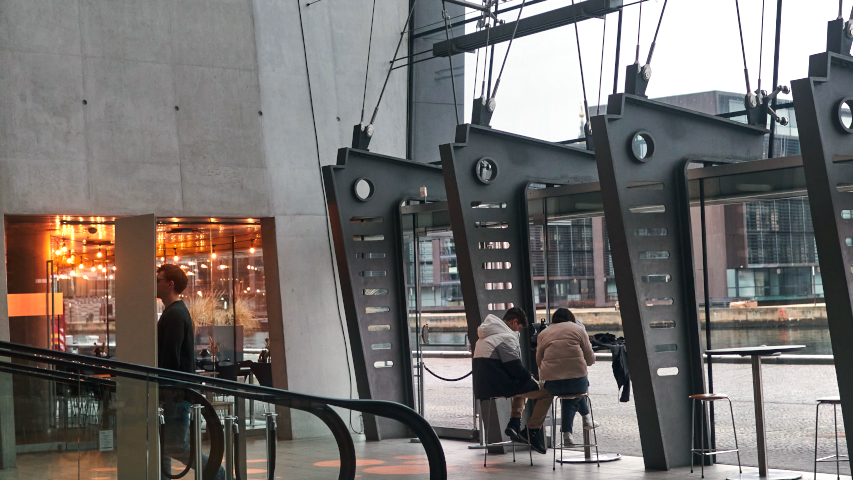
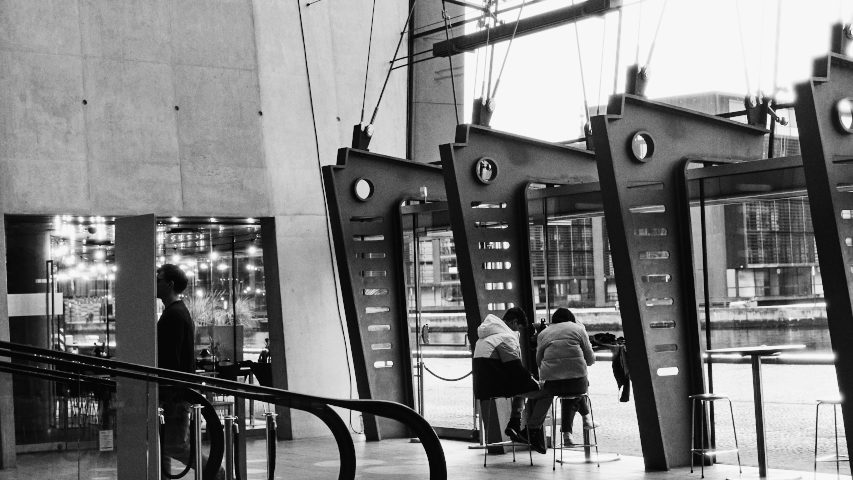
ORWO Positive Print Film PF 2 to czuła na niebieskie światło czarno-biała taśma kopiowa produkowana w Wolfen, udokumentowana w wersji V3 z 2014 roku. Ma oddawać negatywy o skrajnym kontraście z pełną skalą szarości, zwłaszcza w pracy archiwów filmowych. Krzywa i czułość pochodzą z karty katalogowej producenta.


Najlepsze zastosowania
- Kopie w stylu archiwum i rekonstrukcji
- Kontrastowe negatywy z pełną skalą szarości
- Kopiowanie negatywów Tasma NK-2
Porównaj filmy pozytywowe
The same Vision3 500T night frame on each print film: how deep the blacks go, how the highlights roll off and how the colour separates.
The same Vision3 500T night frame on each print film: how deep the blacks go, how the highlights roll off and how the colour separates.
The same Vision3 500T night frame on each print film: how deep the blacks go, how the highlights roll off and how the colour separates.
The same Vision3 500T night frame on each print film: how deep the blacks go, how the highlights roll off and how the colour separates.
The same Vision3 500T night frame on each print film: how deep the blacks go, how the highlights roll off and how the colour separates.
The same Vision3 500T night frame on each print film: how deep the blacks go, how the highlights roll off and how the colour separates.
The same Vision3 500T night frame on each print film: how deep the blacks go, how the highlights roll off and how the colour separates.
The same Vision3 500T night frame on each print film: how deep the blacks go, how the highlights roll off and how the colour separates.
The same Vision3 500T night frame on each print film: how deep the blacks go, how the highlights roll off and how the colour separates.
The same Vision3 500T night frame on each print film: how deep the blacks go, how the highlights roll off and how the colour separates.
The same Vision3 500T night frame on each print film: how deep the blacks go, how the highlights roll off and how the colour separates.
The same Vision3 500T night frame on each print film: how deep the blacks go, how the highlights roll off and how the colour separates.
The same Vision3 500T night frame on each print film: how deep the blacks go, how the highlights roll off and how the colour separates.
The same Vision3 500T night frame on each print film. On this two-colour print (a labelled surrogate) every colour falls between blue-green and red-orange: how deep the blacks go, how the highlights roll off and which lights keep their hue.
The same Vision3 500T night frame on each print film: how deep the blacks go, how the highlights roll off and how the colour separates.
The same Vision3 500T night frame on each print film: how deep the blacks go, how the highlights roll off and how the colour separates.
The same Vision3 500T night frame on each print film: how deep the blacks go, how the highlights roll off and how the colour separates.
The same Vision3 500T night frame on each print film: how deep the blacks go, how the highlights roll off and how the colour separates.
The same Vision3 500T night frame on each print film: how deep the blacks go, how the highlights roll off and how the colour separates.
The same Vision3 500T night frame on each print film: how deep the blacks go, how the highlights roll off and how the colour separates.
The same Vision3 500T night frame on each print film: how deep the blacks go, how the highlights roll off and how the colour separates.
The same Vision3 500T night frame on each print film: how deep the blacks go, how the highlights roll off and how the colour separates.
The same Vision3 500T night frame on each print film: how deep the blacks go, how the highlights roll off and how the colour separates.
The same Vision3 500T night frame on each print film: how deep the blacks go, how the highlights roll off and how the colour separates.
The same Vision3 500T night frame on each print film. On this blue-sensitive black-and-white print the colour negative turns grey: how deep the blacks go, how the highlights roll off and how dark the reds and greens print.
The same Vision3 500T night frame on each print film: how deep the blacks go, how the highlights roll off and how the colour separates.
The same Vision3 500T night frame on each print film. On this blue-sensitive black-and-white print the colour negative turns grey: how deep the blacks go, how the highlights roll off and how dark the red neon and skin print.
The same Vision3 500T night frame on each print film: how deep the blacks go, how the highlights roll off and how the colour separates.
The same Vision3 500T night frame on each print film. On this black-and-white print the colour negative turns grey: how deep the blacks go, how the highlights roll off and how the coloured lights and skin translate to grey.
The same Vision3 500T night frame on each print film. On this blue-sensitive black-and-white print the colour negative turns grey: how deep the blacks go, how the highlights roll off and how the coloured lights and skin translate to grey.
The same Vision3 500T night frame on each print film: how deep the blacks go, how the highlights roll off and how the colour separates.
The same Vision3 500T night frame on each print film: how deep the blacks go, how the highlights roll off and how the colour separates.
The same Vision3 500T night frame on each print film: how deep the blacks go, how the highlights roll off and how the colour separates.
The same Vision3 500T night frame on each print film: how deep the blacks go, how the highlights roll off and how the colour separates.
The same Vision3 500T night frame on each print film: how deep the blacks go, how the highlights roll off and how the colour separates.
The same Vision3 500T night frame on each print film. On this two-colour print (a labelled surrogate) every colour falls between a blue and a red dye: how deep the blacks go, how the highlights roll off and which lights keep their hue.
The same Vision3 500T night frame on each print film: how deep the blacks go, how the highlights roll off and how the colour separates.
Ta sama nocna klatka z filmu Kodak Vision3 500T, skopiowana na każdy pozytyw.
- Kodak Vision Premier Color Print Film 2393
- Eastman Color SP Print Film 5383
- Eastman Color Print Film 5384
- Fujifilm Eterna-CP 3521XD
- Du Pont Color Release Positive Type 275
- Fujifilm Eterna-CP 3523XD
- Kodak Vision Color Print Film 2383
- Fujifilm Eterna-CP 3513DI
- Eastman EXR Color Print Film 5386
- Eastman Color Print Film 5381 (1972)
- Eastman Color Print Film 5385
- Agfa CP30 Colour Print Film
- SuperCinecolor
- Cinecolor (two-colour)
- Gevacolor Positive 953
- Gevacolor Print 9.85
- Gevacolor Print 986
- Gevacolor Print 982
- Ferraniacolor Positive
- 3M Color Positive 650
- Fujicolor Positive F-CP 3510
- Fujicolor Positive F-CP 3519
- Fujifilm Eterna-CP 3512
- Eastman Color Print 5381 (1950)
- Eastman Fine Grain Release Positive 5302
- Ansco Color Print 848
- Kodak B&W Print Film 2302
- Svema TsP-11
- Svema MZ-3
- ORWO PF 2 Positive Print Film
- Technicolor Dye Transfer (1997 revival)
- Svema TsP-8R
- Shostka Colour Positive (1950s)
- Technicolor Dye Transfer (Process IV)
- Gasparcolor Print
- Trucolor Print (two-colour)
- Kodak Vision Color Teleprint Film 2395
Nauka i źródła

Czuła na niebieskie światło czarno-biała taśma kopiowa, pokazana po Tasma NK-2. Krzywa charakterystyczna i czułość widmowa są zdigitalizowane z karty V3 z 2014 roku, z krzywą dla 5 minut wywoływania. Wynik łączy negatyw i kopię.
Krzywe odpowiedzi i podstawy modelu
Porównaj dane producenta z odpowiedzią Ashigrain na tych samych osiach. Krzywe pokazują kalibrację modelu do źródeł; nie potwierdzają zgodności z obrazem zarejestrowanym na filmie.
Odpowiedź charakterystyczna
Ograniczenia modelu
Te obrazy pokazują działanie modelu filmu. Odpowiedź widmowa, oświetlenie i warunki oglądania zawierają przybliżenia, a halacja, poświata, rozmiar ziarna, niestabilność i migotanie nie są w pełni zmierzone dla każdego filmu. Rzeczywiste ujęcie zależy też od wywołania i ustawień kopiowania.
- Obraz srebrowy nie ma wykresu barwników i jest przyjmowany jako spektralnie neutralny.
- Film jest uczulony na światło niebieskie (około 400–520 nm według karty); jego czułość poza tym zakresem nie jest pokazana na wykresie.
- Krzywa charakterystyczna to krzywa z karty dla 5 minut (gradient około 2.84), jeden z trzech wydrukowanych czasów wywoływania, więc kontrast przy innym wywoływaniu nie jest modelowany. Krzywa kończy się na gęstości 3.0, górnej krawędzi wydrukowanego wykresu.
- Ziarnistość i MTF podano tylko jako granice (RMS najwyżej 10; MTF co najmniej 0.70 przy 30 cyklach/mm), a nie jako krzywe.
- Nie ma drugiego wydania z krzywymi, więc błąd digitalizacji nie jest mierzony.
- Źródło nie podaje widm lampy ani filtrów kopiarki. Świetlenie czarno-białej kopii jest modelowane.
Efekt Schwarzschilda: niemodelowany. Czas naświetlania nie wpływa na ten film.
Przewodnik po filmach: założenia i praktyczne wybory
Źródła
- Characteristic curves: ORWO Positive Print Film PF 2 V3 Technical Information, TI-PF2 V3-VI/2014, s. 2
- Process: ORWO Positive Print Film PF 2 V3 Technical Information, TI-PF2 V3-VI/2014, s. 2
Wprowadź ten film do swojej korekcji barwnej.
Wszystkie filmy w jednym zakupie, bez abonamentu.
€199 + VAT