 Ashigrain
Barwny film pozytywowy · Film pozytywowy
Ansco Color Print 848
Barwny pozytyw eksploatacyjny Ansco z lat 50.
Ansco's 1950s release print on its own camera negative, 843: the Ansco negative-positive system, traced from Duerr's 1952 paper with dyes taken from Type 843. Original vs Ashigrain.
W skrócie
- Wprowadzenie
- najpóźniej w 1951 r.
- Proces
- Ansco color positive process (Ansco Type 846/848 color developer)
- Gęstość maksymalna
- ≈ 3,3
O filmie
Ansco Color Print 848 był pozytywem do kopii eksploatacyjnych w procesie negatywowo-pozytywowym, którym Ansco Division of General Aniline & Film Corp. z Binghamton w stanie Nowy Jork chciało zastąpić swój odwracalny proces Ansco Color z 1945 roku dla filmów profesjonalnych.
Herman Duerr z Ansco przedstawił ten proces, z Type 848 jako pozytywem do kopii eksploatacyjnych, na konwencji Towarzystwa w Hollywood 18 października 1951 roku. Journal of the SMPTE wydrukował jego artykuł w czerwcu 1952 roku. Na Type 848 wykonywano kopie eksploatacyjne z negatywów barwnych Ansco Type 843, z barwnych duplikatów negatywów Type 846 lub z czarno-białych negatywów rozbarwionych na trzy kolory. Artykuł opisuje etapy kopiowania kopii eksploatacyjnych i sposób, w jaki zasilają je kopie zabezpieczające i duplikaty, oraz omawia wymagania dźwiękowe i srebrowe ścieżki dźwiękowe kopii. Podobnie jak negatyw, film jest trójwarstwowym chromogenicznym monopakiem z wywoływaniem barwnotwórczym. Artykuł publikuje jego gęstość integralną i czułość widmową, ale nie krzywą barwników. Timeline of Historical Film Colors umieszcza hasło 848 pod rokiem 1956, a żadne źródło nie podaje, kiedy film wycofano.
Źródła tej historii
- The Ansco Color Negative-Positive Process (Journal of the SMPTE 58(6), June 1952, pp. 465–479), Herman H. Duerr (Ansco), Internet Archive
- Ansco Color Print Film, type 848, Timeline of Historical Film Colors
Charakter obrazu
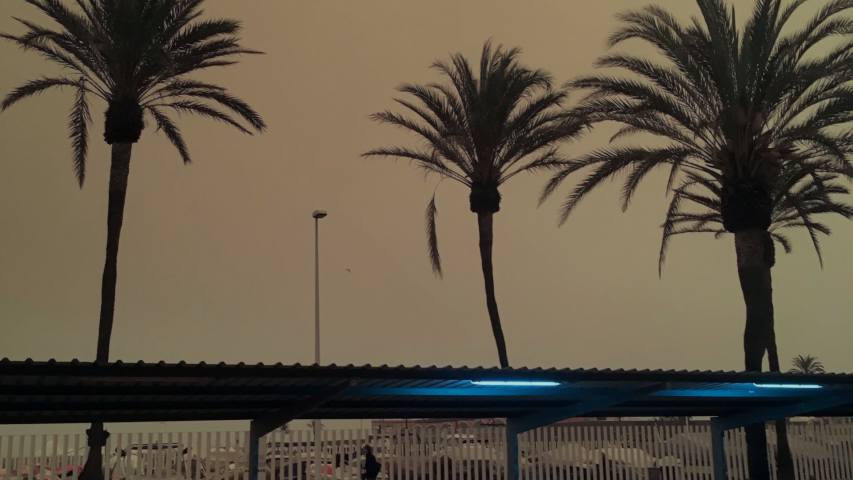
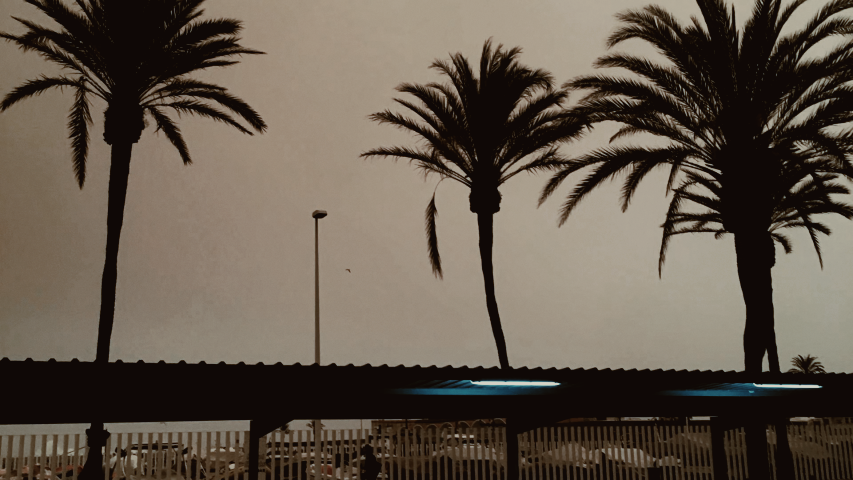
Ansco Color Print 848 to barwny pozytyw do kopii eksploatacyjnych w procesie negatywowo-pozytywowym Ansco z lat 50., łączony z negatywem kamerowym Type 843. Widma barwników pochodzą z Type 843, ponieważ artykuł Ansco nie podaje krzywej barwników dla 848. Ashigrain pokazuje go po Ansco Color Negative 843.




Najlepsze zastosowania
- Kopiowanie Ansco Color Negative 843
- Kolor kopii eksploatacyjnych z lat 50.
- Porównanie Ansco 848 z Kodak 2383
Porównaj filmy pozytywowe
The same Vision3 500T night frame on each print film: how deep the blacks go, how the highlights roll off and how the colour separates.
The same Vision3 500T night frame on each print film: how deep the blacks go, how the highlights roll off and how the colour separates.
The same Vision3 500T night frame on each print film: how deep the blacks go, how the highlights roll off and how the colour separates.
The same Vision3 500T night frame on each print film: how deep the blacks go, how the highlights roll off and how the colour separates.
The same Vision3 500T night frame on each print film: how deep the blacks go, how the highlights roll off and how the colour separates.
The same Vision3 500T night frame on each print film: how deep the blacks go, how the highlights roll off and how the colour separates.
The same Vision3 500T night frame on each print film: how deep the blacks go, how the highlights roll off and how the colour separates.
The same Vision3 500T night frame on each print film: how deep the blacks go, how the highlights roll off and how the colour separates.
The same Vision3 500T night frame on each print film: how deep the blacks go, how the highlights roll off and how the colour separates.
The same Vision3 500T night frame on each print film: how deep the blacks go, how the highlights roll off and how the colour separates.
The same Vision3 500T night frame on each print film: how deep the blacks go, how the highlights roll off and how the colour separates.
The same Vision3 500T night frame on each print film: how deep the blacks go, how the highlights roll off and how the colour separates.
The same Vision3 500T night frame on each print film: how deep the blacks go, how the highlights roll off and how the colour separates.
The same Vision3 500T night frame on each print film. On this two-colour print (a labelled surrogate) every colour falls between blue-green and red-orange: how deep the blacks go, how the highlights roll off and which lights keep their hue.
The same Vision3 500T night frame on each print film: how deep the blacks go, how the highlights roll off and how the colour separates.
The same Vision3 500T night frame on each print film: how deep the blacks go, how the highlights roll off and how the colour separates.
The same Vision3 500T night frame on each print film: how deep the blacks go, how the highlights roll off and how the colour separates.
The same Vision3 500T night frame on each print film: how deep the blacks go, how the highlights roll off and how the colour separates.
The same Vision3 500T night frame on each print film: how deep the blacks go, how the highlights roll off and how the colour separates.
The same Vision3 500T night frame on each print film: how deep the blacks go, how the highlights roll off and how the colour separates.
The same Vision3 500T night frame on each print film: how deep the blacks go, how the highlights roll off and how the colour separates.
The same Vision3 500T night frame on each print film: how deep the blacks go, how the highlights roll off and how the colour separates.
The same Vision3 500T night frame on each print film: how deep the blacks go, how the highlights roll off and how the colour separates.
The same Vision3 500T night frame on each print film: how deep the blacks go, how the highlights roll off and how the colour separates.
The same Vision3 500T night frame on each print film. On this blue-sensitive black-and-white print the colour negative turns grey: how deep the blacks go, how the highlights roll off and how dark the reds and greens print.
The same Vision3 500T night frame on each print film: how deep the blacks go, how the highlights roll off and how the colour separates.
The same Vision3 500T night frame on each print film. On this blue-sensitive black-and-white print the colour negative turns grey: how deep the blacks go, how the highlights roll off and how dark the red neon and skin print.
The same Vision3 500T night frame on each print film: how deep the blacks go, how the highlights roll off and how the colour separates.
The same Vision3 500T night frame on each print film. On this black-and-white print the colour negative turns grey: how deep the blacks go, how the highlights roll off and how the coloured lights and skin translate to grey.
The same Vision3 500T night frame on each print film. On this blue-sensitive black-and-white print the colour negative turns grey: how deep the blacks go, how the highlights roll off and how the coloured lights and skin translate to grey.
The same Vision3 500T night frame on each print film: how deep the blacks go, how the highlights roll off and how the colour separates.
The same Vision3 500T night frame on each print film: how deep the blacks go, how the highlights roll off and how the colour separates.
The same Vision3 500T night frame on each print film: how deep the blacks go, how the highlights roll off and how the colour separates.
The same Vision3 500T night frame on each print film: how deep the blacks go, how the highlights roll off and how the colour separates.
The same Vision3 500T night frame on each print film: how deep the blacks go, how the highlights roll off and how the colour separates.
The same Vision3 500T night frame on each print film. On this two-colour print (a labelled surrogate) every colour falls between a blue and a red dye: how deep the blacks go, how the highlights roll off and which lights keep their hue.
The same Vision3 500T night frame on each print film: how deep the blacks go, how the highlights roll off and how the colour separates.
Ta sama nocna klatka z filmu Kodak Vision3 500T, skopiowana na każdy pozytyw.
- Kodak Vision Premier Color Print Film 2393
- Eastman Color SP Print Film 5383
- Eastman Color Print Film 5384
- Fujifilm Eterna-CP 3521XD
- Du Pont Color Release Positive Type 275
- Fujifilm Eterna-CP 3523XD
- Kodak Vision Color Print Film 2383
- Fujifilm Eterna-CP 3513DI
- Eastman EXR Color Print Film 5386
- Eastman Color Print Film 5381 (1972)
- Eastman Color Print Film 5385
- Agfa CP30 Colour Print Film
- SuperCinecolor
- Cinecolor (two-colour)
- Gevacolor Positive 953
- Gevacolor Print 9.85
- Gevacolor Print 986
- Gevacolor Print 982
- Ferraniacolor Positive
- 3M Color Positive 650
- Fujicolor Positive F-CP 3510
- Fujicolor Positive F-CP 3519
- Fujifilm Eterna-CP 3512
- Eastman Color Print 5381 (1950)
- Eastman Fine Grain Release Positive 5302
- Ansco Color Print 848
- Kodak B&W Print Film 2302
- Svema TsP-11
- Svema MZ-3
- ORWO PF 2 Positive Print Film
- Technicolor Dye Transfer (1997 revival)
- Svema TsP-8R
- Shostka Colour Positive (1950s)
- Technicolor Dye Transfer (Process IV)
- Gasparcolor Print
- Trucolor Print (two-colour)
- Kodak Vision Color Teleprint Film 2395
Nauka i źródła

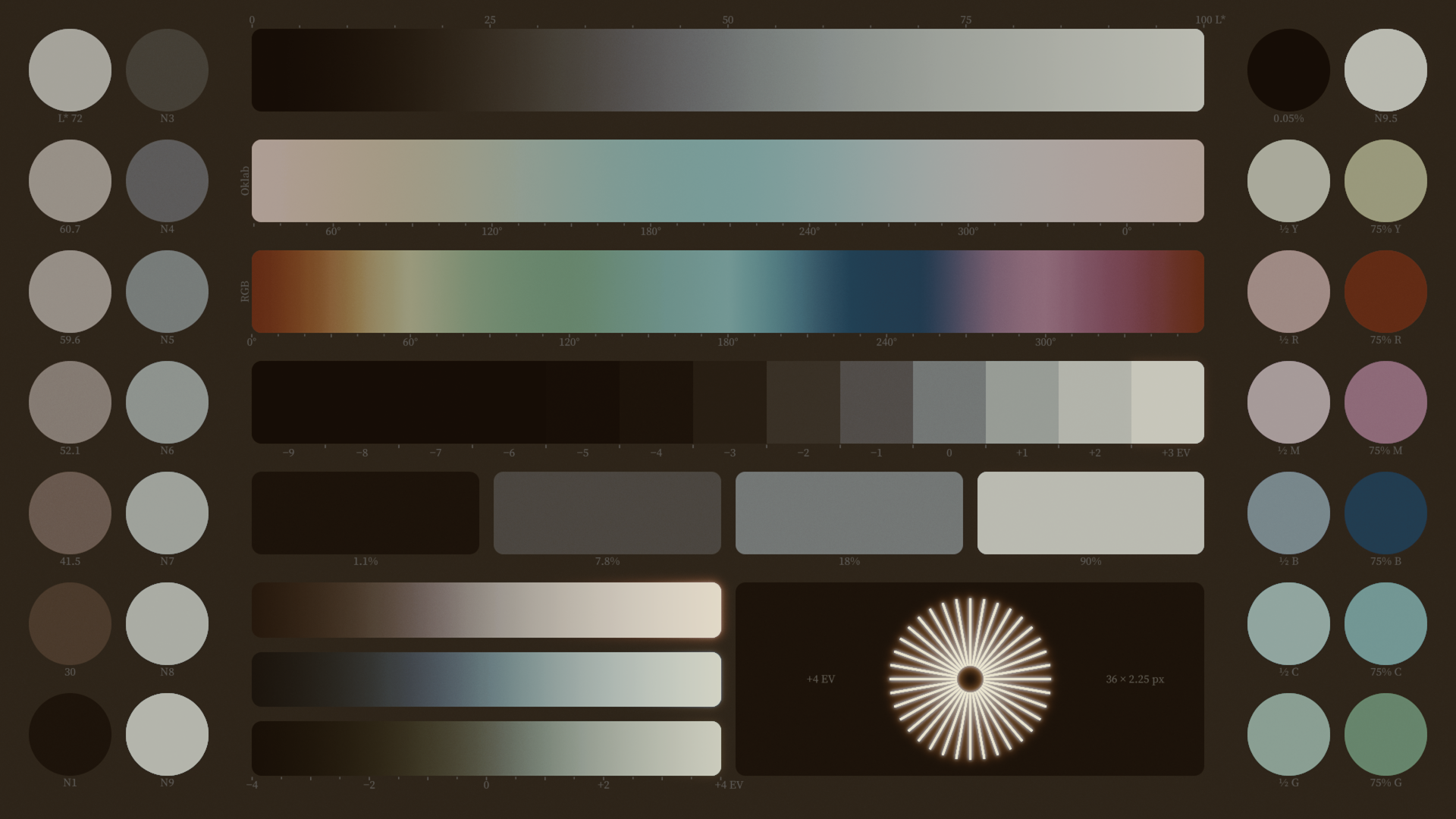
Barwny pozytyw do kopii eksploatacyjnych, pokazywany po Ansco Color Negative 843. Wynik łączy odpowiedź negatywu i kopii. Krzywe i czułość widmową odrysowano z artykułu Duerra z 1952 roku, a widma barwników pochodzą z Type 843, ponieważ artykuł nie podaje krzywej barwników dla 848.
Krzywe odpowiedzi i podstawy modelu
Porównaj dane producenta z odpowiedzią Ashigrain na tych samych osiach. Krzywe pokazują kalibrację modelu do źródeł; nie potwierdzają zgodności z obrazem zarejestrowanym na filmie.
Odpowiedź charakterystyczna
Ograniczenia modelu
Te obrazy pokazują działanie modelu filmu. Odpowiedź widmowa, oświetlenie i warunki oglądania zawierają przybliżenia, a halacja, poświata, rozmiar ziarna, niestabilność i migotanie nie są w pełni zmierzone dla każdego filmu. Rzeczywiste ujęcie zależy też od wywołania i ustawień kopiowania.
- Artykuł nie podaje krzywej barwników dla Type 848, tylko maksima absorpcji 440, 540 i 660 nm. Widma barwników pochodzą z negatywu Type 843, co jest zastępstwem, a nie barwnikami tego filmu.
- Krzywe w artykule to gęstości integralne Macbeth-Ansco, a nie gęstości Status A. Odczytywanie ich na skali Status A modelu jest przybliżeniem.
- Ten podgląd przybliża widma lampy kopiarki i filtrów oraz docelową szarość Status A. Źródło nie podaje danych widmowych ani laboratoryjnej wartości docelowej potrzebnych do kalibracji.
- Odpowiedź charakterystyczna poza opublikowanym zakresem naświetlenia jest ekstrapolacją, a nie zmierzonymi danymi filmu.
- Modelowane światło rozproszone projekcji podnosi czerń na ekranie. Jego siła jest założeniem, bo dostępne źródła jej nie mierzą, więc nie określa zmierzonego kontrastu projekcji.
Efekt Schwarzschilda: niemodelowany. Czas naświetlania nie wpływa na ten film.
Przewodnik po filmach: założenia i praktyczne wybory
Ten podgląd łączy pozytyw ze wskazanym negatywem kamerowym. W tym porównaniu pozytyw nie ma osobnego wskaźnika ekspozycji ani własnej zmierzonej odpowiedzi ziarna.
Źródła
- Characteristic curves: Duerr, H. H.: The Ansco Color Negative-Positive Process. J. SMPTE 58(6), June 1952, pp. 465-479 (volume 58 scan), archive.org item journalofsociety58socirich (Prelinger Library, Journal of the SMPTE Vol. 58, Jan-Jun 1952), derivative file journalofsociety58socirich.pdf, s. 479
- Process: Duerr, H. H.: The Ansco Color Negative-Positive Process. J. SMPTE 58(6), June 1952, pp. 465-479 (volume 58 scan), archive.org item journalofsociety58socirich (Prelinger Library, Journal of the SMPTE Vol. 58, Jan-Jun 1952), derivative file journalofsociety58socirich.pdf, s. 480
Wprowadź ten film do swojej korekcji barwnej.
Wszystkie filmy w jednym zakupie, bez abonamentu.
€199 + VAT