 Ashigrain
Barwny film pozytywowy · Film pozytywowy
Gasparcolor Print
Kopie z wybielaniem barwników z berlińskiego procesu Gaspara z lat 30.
A labelled surrogate of Gaspar's 1930s dye-bleach print, used mainly for animation and advertising: saturated graphic colour. Original vs Ashigrain.
W skrócie
- Wprowadzenie
- początek lat 1930.
- Wycofany
- Proces
- Gasparcolor silver dye-bleach print (dyed layers on both sides of the base; dyes destroyed in proportion to the developed silver, then silver removed)
- Gęstość maksymalna
- ≈ 2,7
O filmie
Gasparcolor był trójbarwną srebrową taśmą kopiową z wybielaniem barwników, którą Timeline of Historical Film Colors nazywa pierwszą trójbarwną taśmą wielowarstwową dostępną do praktycznego użytku.
Béla Gáspár i jego brat Imre założyli Gasparcolor Naturwahre Farbenfilm GmbH w Berlinie w 1930 roku, a Film Atlas datuje wprowadzenie taśmy w Niemczech na 1932 rok, Timeline na 1933. Taśma była polewana z obu stron, z warstwą cyjanową po jednej stronie i warstwami magentową i żółtą po drugiej. Jej barwniki znajdowały się w żelatynie przed naświetleniem i były wybielane proporcjonalnie do wywołanego srebra, więc drukowała obrazy pozytywowe z czarno-białych wyciągów barwnych. Gáspár nie mógł uczulić każdej warstwy na barwę dopełniającą jej barwnika, więc dobierał światła kopiowania i warstwy arbitralnie. Używano jej głównie w animacji, reklamie i filmie awangardowym, m.in. przez Oskara Fischingera, Lena Lye’a, George’a Pala i Alexandre’a Alexeïeffa, oraz w bardzo nielicznych filmach aktorskich, bo długie kolejne naświetlenia wyciągów powodowały barwne obwódki. Po 1935 roku niemiecką spółkę połączono i, słowami Film Atlas, zgermanizowano; Gáspár opuścił Niemcy, a długi spór patentowy z Agfa hamował proces. Produkcję zakończono na początku lat 40., a Ciba później wskrzesiła zasadę wybielania barwników jako Cibachrome.
Źródła tej historii
- Gasparcolor (Noemi Daugaard), Film Atlas (FIAF / George Eastman Museum)
- Gasparcolor OR Gaspar Color, Timeline of Historical Film Colors
- History of Color Photography (1945), chapter 24: Gasparcolor and the Silver-Dye-Bleach Process, J. S. Friedman
Charakter obrazu
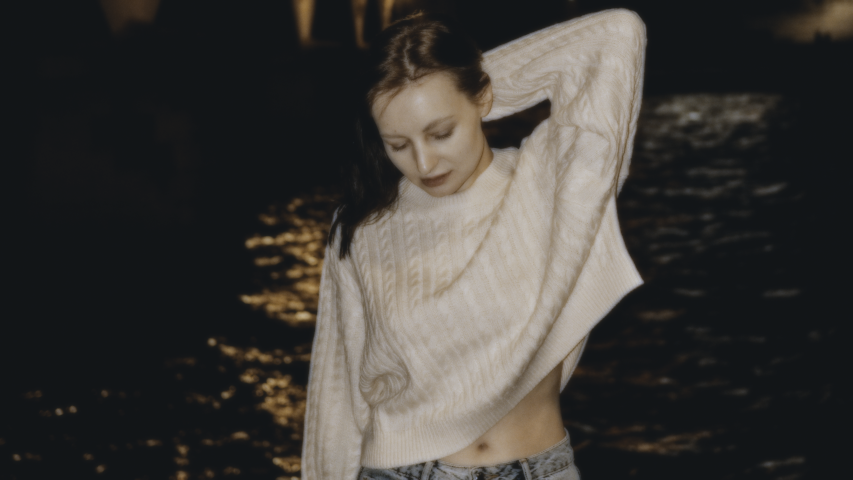
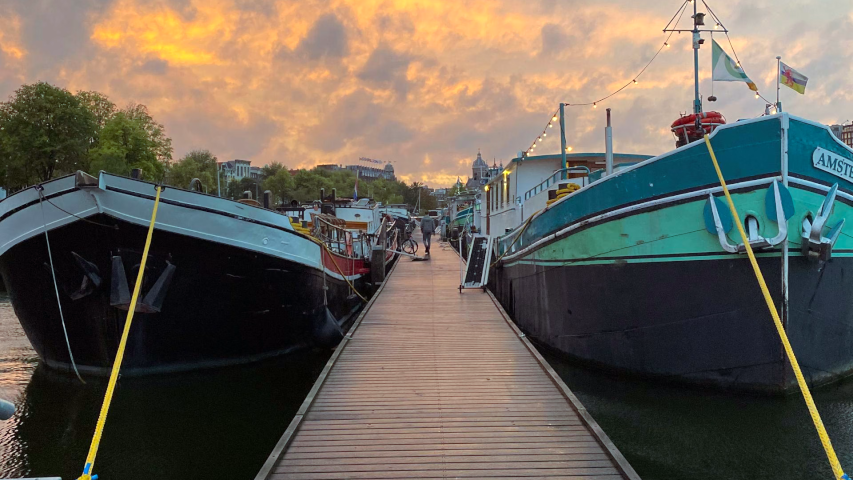
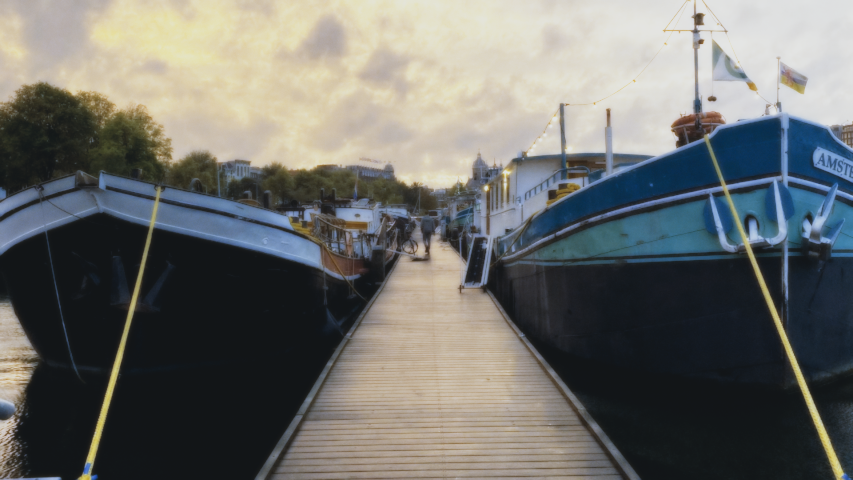
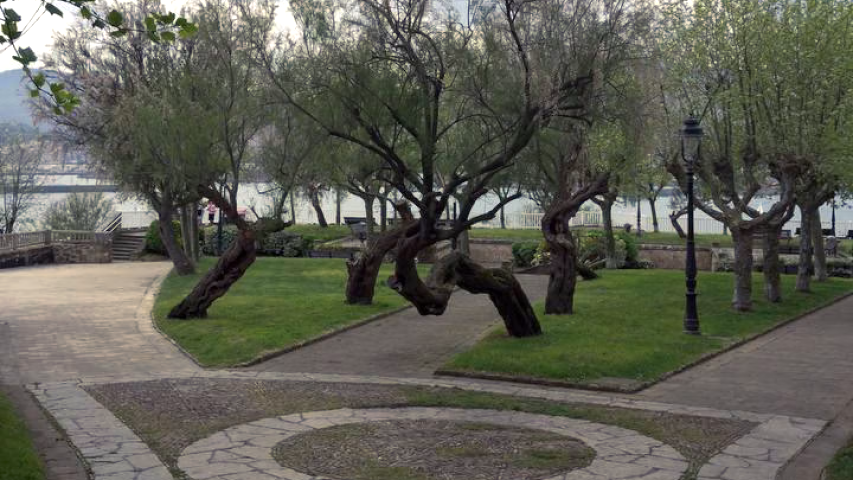
Gasparcolor był trójbarwną srebrową taśmą kopiową z wybielaniem barwników, wprowadzoną w Niemczech na początku lat 30. i używaną głównie w animacji, reklamie i filmie awangardowym. Jego barwniki były w taśmie przed naświetleniem i ulegały wybieleniu tam, gdzie powstawało srebro. Wersja Ashigrain to oznaczony zamiennik, model inspirowany kopią, a nie jej reprodukcja.

Najlepsze zastosowania
- Abstrakcyjna animacja i filmy reklamowe lat 30.
- Nasycony graficzny kolor
- Porównanie wybielania i transferu barwników
Porównaj filmy pozytywowe
The same Vision3 500T night frame on each print film: how deep the blacks go, how the highlights roll off and how the colour separates.
The same Vision3 500T night frame on each print film: how deep the blacks go, how the highlights roll off and how the colour separates.
The same Vision3 500T night frame on each print film: how deep the blacks go, how the highlights roll off and how the colour separates.
The same Vision3 500T night frame on each print film: how deep the blacks go, how the highlights roll off and how the colour separates.
The same Vision3 500T night frame on each print film: how deep the blacks go, how the highlights roll off and how the colour separates.
The same Vision3 500T night frame on each print film: how deep the blacks go, how the highlights roll off and how the colour separates.
The same Vision3 500T night frame on each print film: how deep the blacks go, how the highlights roll off and how the colour separates.
The same Vision3 500T night frame on each print film: how deep the blacks go, how the highlights roll off and how the colour separates.
The same Vision3 500T night frame on each print film: how deep the blacks go, how the highlights roll off and how the colour separates.
The same Vision3 500T night frame on each print film: how deep the blacks go, how the highlights roll off and how the colour separates.
The same Vision3 500T night frame on each print film: how deep the blacks go, how the highlights roll off and how the colour separates.
The same Vision3 500T night frame on each print film: how deep the blacks go, how the highlights roll off and how the colour separates.
The same Vision3 500T night frame on each print film: how deep the blacks go, how the highlights roll off and how the colour separates.
The same Vision3 500T night frame on each print film. On this two-colour print (a labelled surrogate) every colour falls between blue-green and red-orange: how deep the blacks go, how the highlights roll off and which lights keep their hue.
The same Vision3 500T night frame on each print film: how deep the blacks go, how the highlights roll off and how the colour separates.
The same Vision3 500T night frame on each print film: how deep the blacks go, how the highlights roll off and how the colour separates.
The same Vision3 500T night frame on each print film: how deep the blacks go, how the highlights roll off and how the colour separates.
The same Vision3 500T night frame on each print film: how deep the blacks go, how the highlights roll off and how the colour separates.
The same Vision3 500T night frame on each print film: how deep the blacks go, how the highlights roll off and how the colour separates.
The same Vision3 500T night frame on each print film: how deep the blacks go, how the highlights roll off and how the colour separates.
The same Vision3 500T night frame on each print film: how deep the blacks go, how the highlights roll off and how the colour separates.
The same Vision3 500T night frame on each print film: how deep the blacks go, how the highlights roll off and how the colour separates.
The same Vision3 500T night frame on each print film: how deep the blacks go, how the highlights roll off and how the colour separates.
The same Vision3 500T night frame on each print film: how deep the blacks go, how the highlights roll off and how the colour separates.
The same Vision3 500T night frame on each print film. On this blue-sensitive black-and-white print the colour negative turns grey: how deep the blacks go, how the highlights roll off and how dark the reds and greens print.
The same Vision3 500T night frame on each print film: how deep the blacks go, how the highlights roll off and how the colour separates.
The same Vision3 500T night frame on each print film. On this blue-sensitive black-and-white print the colour negative turns grey: how deep the blacks go, how the highlights roll off and how dark the red neon and skin print.
The same Vision3 500T night frame on each print film: how deep the blacks go, how the highlights roll off and how the colour separates.
The same Vision3 500T night frame on each print film. On this black-and-white print the colour negative turns grey: how deep the blacks go, how the highlights roll off and how the coloured lights and skin translate to grey.
The same Vision3 500T night frame on each print film. On this blue-sensitive black-and-white print the colour negative turns grey: how deep the blacks go, how the highlights roll off and how the coloured lights and skin translate to grey.
The same Vision3 500T night frame on each print film: how deep the blacks go, how the highlights roll off and how the colour separates.
The same Vision3 500T night frame on each print film: how deep the blacks go, how the highlights roll off and how the colour separates.
The same Vision3 500T night frame on each print film: how deep the blacks go, how the highlights roll off and how the colour separates.
The same Vision3 500T night frame on each print film: how deep the blacks go, how the highlights roll off and how the colour separates.
The same Vision3 500T night frame on each print film: how deep the blacks go, how the highlights roll off and how the colour separates.
The same Vision3 500T night frame on each print film. On this two-colour print (a labelled surrogate) every colour falls between a blue and a red dye: how deep the blacks go, how the highlights roll off and which lights keep their hue.
The same Vision3 500T night frame on each print film: how deep the blacks go, how the highlights roll off and how the colour separates.
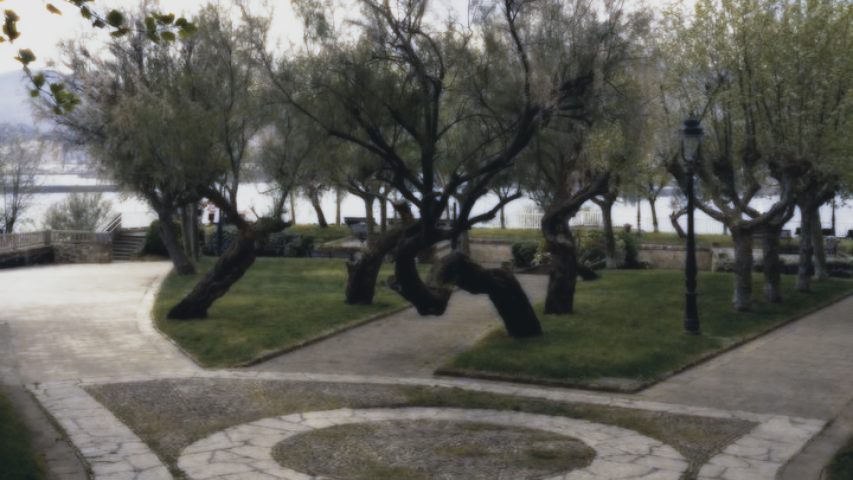
Ta sama nocna klatka z filmu Kodak Vision3 500T, skopiowana na każdy pozytyw.
- Kodak Vision Premier Color Print Film 2393
- Eastman Color SP Print Film 5383
- Eastman Color Print Film 5384
- Fujifilm Eterna-CP 3521XD
- Du Pont Color Release Positive Type 275
- Fujifilm Eterna-CP 3523XD
- Kodak Vision Color Print Film 2383
- Fujifilm Eterna-CP 3513DI
- Eastman EXR Color Print Film 5386
- Eastman Color Print Film 5381 (1972)
- Eastman Color Print Film 5385
- Agfa CP30 Colour Print Film
- SuperCinecolor
- Cinecolor (two-colour)
- Gevacolor Positive 953
- Gevacolor Print 9.85
- Gevacolor Print 986
- Gevacolor Print 982
- Ferraniacolor Positive
- 3M Color Positive 650
- Fujicolor Positive F-CP 3510
- Fujicolor Positive F-CP 3519
- Fujifilm Eterna-CP 3512
- Eastman Color Print 5381 (1950)
- Eastman Fine Grain Release Positive 5302
- Ansco Color Print 848
- Kodak B&W Print Film 2302
- Svema TsP-11
- Svema MZ-3
- ORWO PF 2 Positive Print Film
- Technicolor Dye Transfer (1997 revival)
- Svema TsP-8R
- Shostka Colour Positive (1950s)
- Technicolor Dye Transfer (Process IV)
- Gasparcolor Print
- Trucolor Print (two-colour)
- Kodak Vision Color Teleprint Film 2395
Nauka i źródła

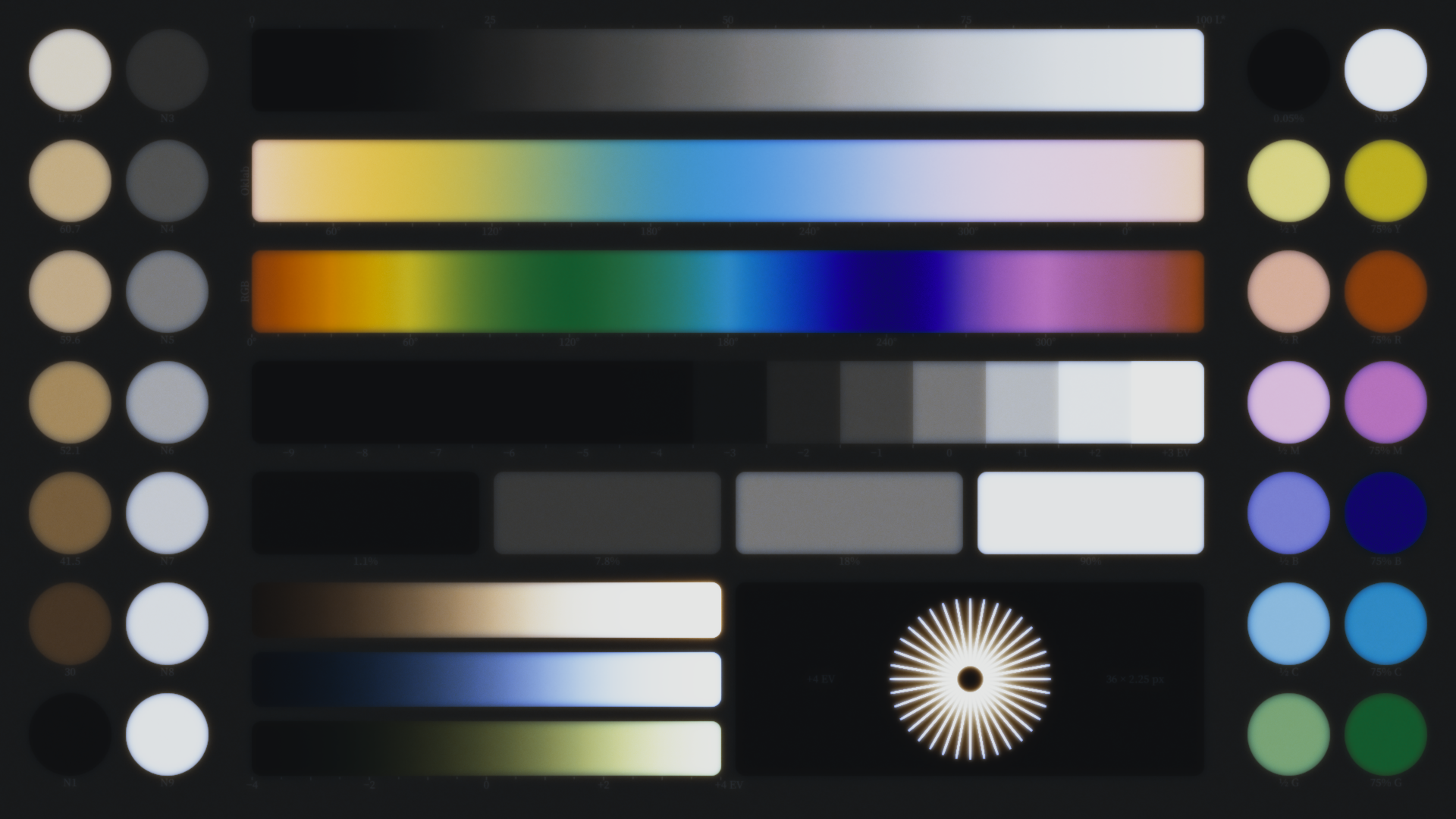
Trójbarwny model inspirowany kopią, a nie reprodukcja Gasparcolor, pokazany po Agfacolor Typ 432. Dzieli kształty barwników i czułości rekordów selekcyjnych z modelem procesu Gasparcolor w Ashigrain, które same są nazwanymi założeniami opartymi na barwnikach wymienionych przez Friedmana w 1945 roku, a jego krzywe kopiowania są założeniami dostrojonymi do najbardziej neutralnej szarości. Etap wybielania barwników i dwustronne polewanie nie są symulowane, a MTF ani ziarnistości nie opublikowano.
Krzywe odpowiedzi i podstawy modelu
Porównaj dane producenta z odpowiedzią Ashigrain na tych samych osiach. Krzywe pokazują kalibrację modelu do źródeł; nie potwierdzają zgodności z obrazem zarejestrowanym na filmie.
Odpowiedź charakterystyczna
Ograniczenia modelu
Te obrazy pokazują działanie modelu filmu. Odpowiedź widmowa, oświetlenie i warunki oglądania zawierają przybliżenia, a halacja, poświata, rozmiar ziarna, niestabilność i migotanie nie są w pełni zmierzone dla każdego filmu. Rzeczywiste ujęcie zależy też od wywołania i ustawień kopiowania.
- To trójbarwny model inspirowany kopią Gasparcolor, a nie jej reprodukcja. W źródłach nie istnieje krzywa charakterystyczna, czułość widmowa, widmo barwnika, MTF ani pomiar ziarna kopii Gasparcolor.
- Kształty barwników i czułości rekordów selekcyjnych pochodzą z modelu procesu Gasparcolor w Ashigrain, wyprowadzonego z barwników wymienionych przez Friedmana w 1945 roku (błękit Chicago, rubin Sirius i chryzofenina) oraz z nazwanych założeń.
- Krzywe kopiowania (gammy rekordów 2.6, 1.8 i 1.9) są założeniami wybranymi dla najbardziej neutralnej szarości. Etap wybielania barwników i pozytywy selekcyjne są w nie wliczone, a nie symulowane.
- Arbitralne światła kopiowania, dwustronne polewanie i barwne obwódki z kolejnych naświetleń są odnotowane, ale nie są modelowane. Nie opublikowano dla niego MTF ani ziarnistości.
- Źródło nie podaje widm lampy ani filtrów kopiarki. Ich odpowiedź spektralna jest przybliżona.
- Modelowane światło rozproszone projekcji podnosi czerń na ekranie. Jego siła jest założeniem, bo dostępne źródła jej nie mierzą, więc nie określa zmierzonego kontrastu projekcji.
Efekt Schwarzschilda: niemodelowany. Czas naświetlania nie wpływa na ten film.
Przewodnik po filmach: założenia i praktyczne wybory
Ten podgląd łączy pozytyw ze wskazanym negatywem kamerowym. W tym porównaniu pozytyw nie ma osobnego wskaźnika ekspozycji ani własnej zmierzonej odpowiedzi ziarna.
Źródła
- Reconstructed: FILM ATLAS entry 532: Gasparcolor, Wayback capture 20261019104855 of www.filmatlas.com/entry/532, s. 1
- Process: Timeline of Historical Film Colors: Gasparcolor OR Gaspar Color (entry 1264), live page filmcolors.org/timeline-entry/1264/ as served 2026-10-28, s. 1
Wprowadź ten film do swojej korekcji barwnej.
Wszystkie filmy w jednym zakupie, bez abonamentu.
€199 + VAT