 Ashigrain
Barwny film pozytywowy · Film pozytywowy
Shostka Colour Positive (1950s)
Radzieckie kopie barwne z epoki typu Agfacolor.
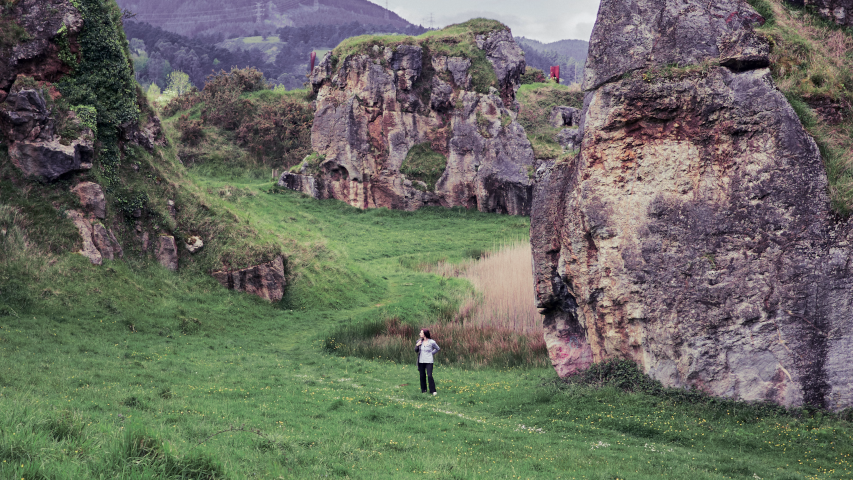
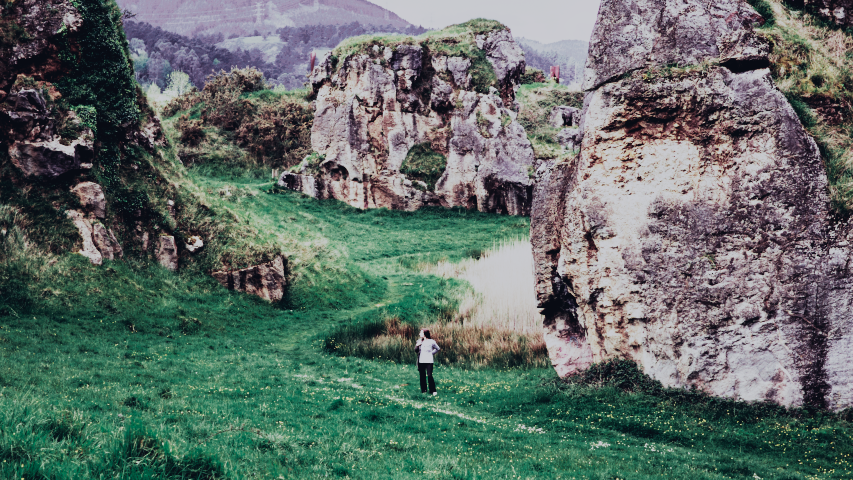
Shostka's 1950s colour positive as a labelled surrogate on TsP-8R's curves and dyes, for Soviet colour features of the 1950s. Original vs Ashigrain.
W skrócie
- Wprowadzenie
- ok. 1948
- Proces
- Soviet colour-positive development (not documented for this era)
- Gęstość maksymalna
- ≈ 2,8
O filmie
Szostkiński pozytyw barwny Ashigrain reprezentuje barwną taśmę kopiową fabryki taśm w Szostce z lat po II wojnie światowej, ale żadne przeczytane źródło nie podaje jej typu ani daty.
Według Wielkiej Encyklopedii Radzieckiej produkcja taśm w Szostce ruszyła w 1931 roku, a radziecka produkcja wielowarstwowej taśmy barwnej w 1948 roku. Przed wojną Fabryka nr 6 w Szostce produkowała taśmy matrycowe i czyste do radzieckiego kopiowania trójbarwnego, pisze Nikołaj Majorow. Majorow pisze, że od 1947 roku Fabryka nr 3 w Szostce używała urządzeń zdemontowanych w Niemczech, produkując barwny negatyw DS-1 (ДС-1) w technologii Agfa. Zdobyczny materiał Agfacolor i niemiecka technologia pozwoliły Związkowi Radzieckiemu przyjąć barwny proces negatywowo-pozytywowy, a większość radzieckich filmów lat 50. była barwna. Do 1952 roku Fabryki nr 3 i nr 8 opracowały negatyw do światła żarowego LN-2 (ЛН-2), a nr 3 rozpoczęła negatyw do światła dziennego DS-2 (ДС-2). Fabryka, znana później jako Svema, produkowała następnie pozytywy barwne TsP-8R i TsP-11.
Źródła tej historii
- Николай Майоров. «Цвет советского кино» (2011), Музей ЦСДФ
- Большая советская энциклопедия: Кинопромышленность, booksite.ru
Charakter obrazu
Szostkiński pozytyw barwny z lat 50. był radziecką taśmą kopiową z Fabryki nr 3, która od 1947 roku produkowała taśmę barwną w technologii Agfa. W źródłach nie zachowała się ani nazwa typu, ani krzywa. Wersja Ashigrain to oznaczony zamiennik, model inspirowany kopią, a nie jej reprodukcja.




Najlepsze zastosowania
- Radzieckie filmy barwne lat 50.
- Kopiowanie negatywów Svema DS-5M
- Porównanie wczesnych i późnych kopii radzieckich
Porównaj filmy pozytywowe
The same Vision3 500T night frame on each print film: how deep the blacks go, how the highlights roll off and how the colour separates.
The same Vision3 500T night frame on each print film: how deep the blacks go, how the highlights roll off and how the colour separates.
The same Vision3 500T night frame on each print film: how deep the blacks go, how the highlights roll off and how the colour separates.
The same Vision3 500T night frame on each print film: how deep the blacks go, how the highlights roll off and how the colour separates.
The same Vision3 500T night frame on each print film: how deep the blacks go, how the highlights roll off and how the colour separates.
The same Vision3 500T night frame on each print film: how deep the blacks go, how the highlights roll off and how the colour separates.
The same Vision3 500T night frame on each print film: how deep the blacks go, how the highlights roll off and how the colour separates.
The same Vision3 500T night frame on each print film: how deep the blacks go, how the highlights roll off and how the colour separates.
The same Vision3 500T night frame on each print film: how deep the blacks go, how the highlights roll off and how the colour separates.
The same Vision3 500T night frame on each print film: how deep the blacks go, how the highlights roll off and how the colour separates.
The same Vision3 500T night frame on each print film: how deep the blacks go, how the highlights roll off and how the colour separates.
The same Vision3 500T night frame on each print film: how deep the blacks go, how the highlights roll off and how the colour separates.
The same Vision3 500T night frame on each print film: how deep the blacks go, how the highlights roll off and how the colour separates.
The same Vision3 500T night frame on each print film. On this two-colour print (a labelled surrogate) every colour falls between blue-green and red-orange: how deep the blacks go, how the highlights roll off and which lights keep their hue.
The same Vision3 500T night frame on each print film: how deep the blacks go, how the highlights roll off and how the colour separates.
The same Vision3 500T night frame on each print film: how deep the blacks go, how the highlights roll off and how the colour separates.
The same Vision3 500T night frame on each print film: how deep the blacks go, how the highlights roll off and how the colour separates.
The same Vision3 500T night frame on each print film: how deep the blacks go, how the highlights roll off and how the colour separates.
The same Vision3 500T night frame on each print film: how deep the blacks go, how the highlights roll off and how the colour separates.
The same Vision3 500T night frame on each print film: how deep the blacks go, how the highlights roll off and how the colour separates.
The same Vision3 500T night frame on each print film: how deep the blacks go, how the highlights roll off and how the colour separates.
The same Vision3 500T night frame on each print film: how deep the blacks go, how the highlights roll off and how the colour separates.
The same Vision3 500T night frame on each print film: how deep the blacks go, how the highlights roll off and how the colour separates.
The same Vision3 500T night frame on each print film: how deep the blacks go, how the highlights roll off and how the colour separates.
The same Vision3 500T night frame on each print film. On this blue-sensitive black-and-white print the colour negative turns grey: how deep the blacks go, how the highlights roll off and how dark the reds and greens print.
The same Vision3 500T night frame on each print film: how deep the blacks go, how the highlights roll off and how the colour separates.
The same Vision3 500T night frame on each print film. On this blue-sensitive black-and-white print the colour negative turns grey: how deep the blacks go, how the highlights roll off and how dark the red neon and skin print.
The same Vision3 500T night frame on each print film: how deep the blacks go, how the highlights roll off and how the colour separates.
The same Vision3 500T night frame on each print film. On this black-and-white print the colour negative turns grey: how deep the blacks go, how the highlights roll off and how the coloured lights and skin translate to grey.
The same Vision3 500T night frame on each print film. On this blue-sensitive black-and-white print the colour negative turns grey: how deep the blacks go, how the highlights roll off and how the coloured lights and skin translate to grey.
The same Vision3 500T night frame on each print film: how deep the blacks go, how the highlights roll off and how the colour separates.
The same Vision3 500T night frame on each print film: how deep the blacks go, how the highlights roll off and how the colour separates.
The same Vision3 500T night frame on each print film: how deep the blacks go, how the highlights roll off and how the colour separates.
The same Vision3 500T night frame on each print film: how deep the blacks go, how the highlights roll off and how the colour separates.
The same Vision3 500T night frame on each print film: how deep the blacks go, how the highlights roll off and how the colour separates.
The same Vision3 500T night frame on each print film. On this two-colour print (a labelled surrogate) every colour falls between a blue and a red dye: how deep the blacks go, how the highlights roll off and which lights keep their hue.
The same Vision3 500T night frame on each print film: how deep the blacks go, how the highlights roll off and how the colour separates.
Ta sama nocna klatka z filmu Kodak Vision3 500T, skopiowana na każdy pozytyw.
- Kodak Vision Premier Color Print Film 2393
- Eastman Color SP Print Film 5383
- Eastman Color Print Film 5384
- Fujifilm Eterna-CP 3521XD
- Du Pont Color Release Positive Type 275
- Fujifilm Eterna-CP 3523XD
- Kodak Vision Color Print Film 2383
- Fujifilm Eterna-CP 3513DI
- Eastman EXR Color Print Film 5386
- Eastman Color Print Film 5381 (1972)
- Eastman Color Print Film 5385
- Agfa CP30 Colour Print Film
- SuperCinecolor
- Cinecolor (two-colour)
- Gevacolor Positive 953
- Gevacolor Print 9.85
- Gevacolor Print 986
- Gevacolor Print 982
- Ferraniacolor Positive
- 3M Color Positive 650
- Fujicolor Positive F-CP 3510
- Fujicolor Positive F-CP 3519
- Fujifilm Eterna-CP 3512
- Eastman Color Print 5381 (1950)
- Eastman Fine Grain Release Positive 5302
- Ansco Color Print 848
- Kodak B&W Print Film 2302
- Svema TsP-11
- Svema MZ-3
- ORWO PF 2 Positive Print Film
- Technicolor Dye Transfer (1997 revival)
- Svema TsP-8R
- Shostka Colour Positive (1950s)
- Technicolor Dye Transfer (Process IV)
- Gasparcolor Print
- Trucolor Print (two-colour)
- Kodak Vision Color Teleprint Film 2395
Nauka i źródła

Oznaczony zamiennik inspirowany kopią, a nie jej reprodukcja, pokazany po Svema DS-5M. Nie zarejestrowano nazwy typu, krzywej ani danych barwników szostkińskiego pozytywu barwnego z lat 50.: krzywe charakterystyczne, czułość widmowa i barwniki pochodzą z Svema TsP-8R, późniejszego pozytywu barwnego tej samej fabryki, użytego jako zastępstwo, bez zmian.
Poniższa informacja o znakach towarowych jest dostępna w języku angielskim.
Svema is named only to identify the film; its trademarks belong to their respective owners, whose identity is unknown.
Krzywe odpowiedzi i podstawy modelu
Porównaj dane producenta z odpowiedzią Ashigrain na tych samych osiach. Krzywe pokazują kalibrację modelu do źródeł; nie potwierdzają zgodności z obrazem zarejestrowanym na filmie.
Odpowiedź charakterystyczna
Ograniczenia modelu
Te obrazy pokazują działanie modelu filmu. Odpowiedź widmowa, oświetlenie i warunki oglądania zawierają przybliżenia, a halacja, poświata, rozmiar ziarna, niestabilność i migotanie nie są w pełni zmierzone dla każdego filmu. Rzeczywiste ujęcie zależy też od wywołania i ustawień kopiowania.
- To oznaczony zamiennik szostkińskiego pozytywu barwnego z lat 50., a nie reprodukcja udokumentowanej taśmy. Żadne zarejestrowane źródło nie podaje jego nazwy typu, daty, krzywej ani barwnika.
- Krzywe charakterystyczne, czułość widmowa i barwniki pochodzą z Свема ЦП-8Р, późniejszego pozytywu barwnego tej samej fabryki, użytego jako zastępstwo, bez zmian.
- Epoka, proces i równowaga kopiowania są założeniami i nie są modelowane.
- Cel neutralny to zakładany cel zastępstwa zrównoważony na szarość (0.890 / 0.905 / 1.080, Status A); nie opublikowano celu laboratoryjnego.
- Źródło nie podaje widm lampy ani filtrów kopiarki. Ich odpowiedź spektralna jest przybliżona.
- Modelowane światło rozproszone projekcji podnosi czerń na ekranie. Jego siła jest założeniem, bo dostępne źródła jej nie mierzą, więc nie określa zmierzonego kontrastu projekcji.
Efekt Schwarzschilda: niemodelowany. Czas naświetlania nie wpływa na ten film.
Przewodnik po filmach: założenia i praktyczne wybory
Ten podgląd łączy pozytyw ze wskazanym negatywem kamerowym. W tym porównaniu pozytyw nie ma osobnego wskaźnika ekspozycji ani własnej zmierzonej odpowiedzi ziarna.
Źródła
- Reconstructed: Гордийчук И. Б., Пелль В. Г. Справочник кинооператора (1979), 1979 edition, s. 189
Wprowadź ten film do swojej korekcji barwnej.
Wszystkie filmy w jednym zakupie, bez abonamentu.
€199 + VAT