Copie couleur · Pellicule de copie

Technicolor Dye Transfer (1997 revival)

Le renouveau du transfert de colorants Technicolor à la fin des années 1990.

Média prévu

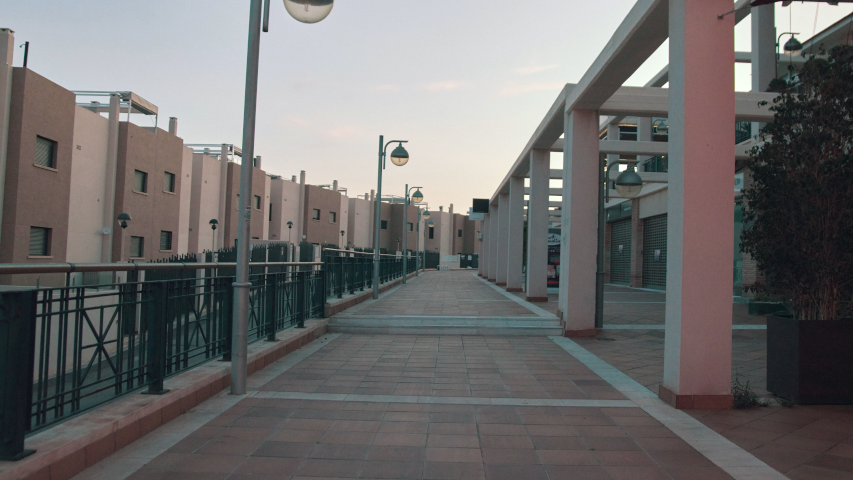
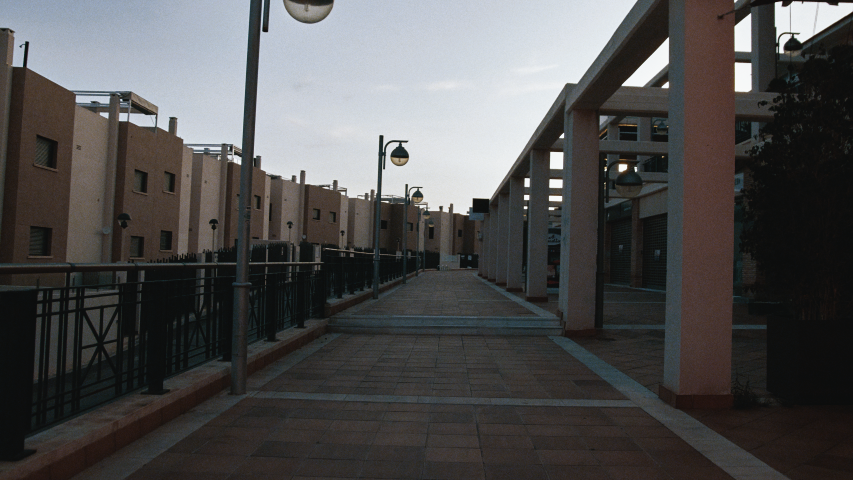
A labelled surrogate of Technicolor's late-1990s dye-transfer revival: the Process IV model with no key image and an assumed steeper tone for deeper blacks. Original vs Ashigrain.

Kodak Vision3 500T, Technicolor Dye Transfer (1997 revival)

stock
Kodak Vision3 500T
mode
Print
print_film
Technicolor Dye Transfer (1997 revival)
film_format
Super 35 (4-perf)

En bref

Lancement
1997
Arrêté
Procédé
three separation records printed onto matrix film, developed to hardened gelatin reliefs, imbibed with cyan, magenta and yellow dyes and transferred in register onto a blank
Densité maximale
≈ 2,8
Support
Polyester

À propos du film

Technicolor avait arrêté le tirage par transfert de colorants aux États-Unis au milieu des années 1970, étudia une relance dès le début des années 1990 et le ramena en 1997 dans son laboratoire de North Hollywood, sur le terrain d’Universal.

Pour cela, il racheta l’équipement de transfert de colorants que son usine de West Drayton avait vendu à la Chine à la fin des années 1970. Film Atlas cite Batman & Robin (1997) comme le premier film sorti avec les nouvelles copies, uniquement en copies de prestige, et en décembre 1997 le Los Angeles Times rapportait que le procédé n’avait encore servi que pour quelques copies de Giant et de Batman & Robin. Ricotta, l’un des responsables du renouveau, affirmait qu’il donnait des images plus nettes et moins granuleuses et une échelle tonale étendue, avec des noirs plus noirs et des blancs plus blancs. Les copies étaient faites sur des films vierges en polyester Estar fournis par Kodak, avec des pistes sonores tirées en noir et blanc. Il servit pour des copies de prestige de nouveaux films comme Bulworth, The Thin Red Line et Godzilla (tous de 1998), Pearl Harbor et Apocalypse Now Redux (tous deux de 2001), et pour les ressorties de Rear Window, Gone with the Wind et The Wizard of Oz. La ressortie de Rear Window en 1999 comptait environ 40 copies par transfert de colorants. Le renouveau devait passer à de grands tirages d’exploitation mais resta limité à de petits tirages en raison de problèmes de contrôle qualité, de pannes techniques et de l’arrivée de la projection numérique, et il avait pris fin au début des années 2000.

Sources de cet historique
  1. Technicolor dye-transfer revival (Robert Hoffman), Film Atlas (FIAF / George Eastman Museum)
  2. Technicolor prints from color negatives (Richard W. Haines), Film Atlas (FIAF / George Eastman Museum)
  3. Film restoration more than 'Rear Window'-dressing (Bill Desowitz, 11 December 1997), CNN Interactive (Los Angeles Times)

Le rendu

En 1997, Technicolor relança le tirage par transfert de colorants pour les copies de prestige de nouveaux films et de classiques ressortis, sur support polyester ; il avait de nouveau cessé au début des années 2000. La version d’Ashigrain est un substitut déclaré, un modèle inspiré de la copie et non une reproduction : le modèle du Process IV sans image clé et avec une tonalité plus raide.


Image d’exemple : Technicolor Dye Transfer (1997 revival) : OriginalImage d’exemple : Technicolor Dye Transfer (1997 revival) : Ashigrain

Idéale pour

  1. Rendus de copie de prestige de la fin des années 1990
  2. Ressorties restaurées de classiques des studios
  3. Noirs profonds et couleurs de colorants saturées

Comparer les films de copie

Média prévu

The same Vision3 500T night frame on each print film: how deep the blacks go, how the highlights roll off and how the colour separates.

Kodak Vision3 500T, Kodak Vision Premier Color Print Film 2393

stock
Kodak Vision3 500T
mode
Print
print_film
Kodak Vision Premier Color Print Film 2393
film_format
Super 35 (4-perf)
Kodak Vision3 500T → Kodak Vision Premier Color Print Film 2393

Média prévu

The same Vision3 500T night frame on each print film: how deep the blacks go, how the highlights roll off and how the colour separates.

Kodak Vision3 500T, Eastman Color SP Print Film 5383

stock
Kodak Vision3 500T
mode
Print
print_film
Eastman Color SP Print Film 5383
film_format
Super 35 (4-perf)
Kodak Vision3 500T → Eastman Color SP Print Film 5383

Média prévu

The same Vision3 500T night frame on each print film: how deep the blacks go, how the highlights roll off and how the colour separates.

Kodak Vision3 500T, Eastman Color Print Film 5384

stock
Kodak Vision3 500T
mode
Print
print_film
Eastman Color Print Film 5384
film_format
Super 35 (4-perf)
Kodak Vision3 500T → Eastman Color Print Film 5384

Média prévu

The same Vision3 500T night frame on each print film: how deep the blacks go, how the highlights roll off and how the colour separates.

Kodak Vision3 500T, Fujifilm Eterna-CP 3521XD

stock
Kodak Vision3 500T
mode
Print
print_film
Fujifilm Eterna-CP 3521XD
film_format
Super 35 (4-perf)
Kodak Vision3 500T → Fujifilm Eterna-CP 3521XD

Média prévu

The same Vision3 500T night frame on each print film: how deep the blacks go, how the highlights roll off and how the colour separates.

Kodak Vision3 500T, Du Pont Color Release Positive Type 275

stock
Kodak Vision3 500T
mode
Print
print_film
Du Pont Color Release Positive Type 275
film_format
Super 35 (4-perf)
Kodak Vision3 500T → Du Pont Color Release Positive Type 275

Média prévu

The same Vision3 500T night frame on each print film: how deep the blacks go, how the highlights roll off and how the colour separates.

Kodak Vision3 500T, Fujifilm Eterna-CP 3523XD

stock
Kodak Vision3 500T
mode
Print
print_film
Fujifilm Eterna-CP 3523XD
film_format
Super 35 (4-perf)
Kodak Vision3 500T → Fujifilm Eterna-CP 3523XD

Média prévu

The same Vision3 500T night frame on each print film: how deep the blacks go, how the highlights roll off and how the colour separates.

Kodak Vision3 500T, Kodak Vision Color Print Film 2383

stock
Kodak Vision3 500T
mode
Print
print_film
Kodak Vision Color Print Film 2383
film_format
Super 35 (4-perf)
Kodak Vision3 500T → Kodak Vision Color Print Film 2383

Média prévu

The same Vision3 500T night frame on each print film: how deep the blacks go, how the highlights roll off and how the colour separates.

Kodak Vision3 500T, Fujifilm Eterna-CP 3513DI

stock
Kodak Vision3 500T
mode
Print
print_film
Fujifilm Eterna-CP 3513DI
film_format
Super 35 (4-perf)
Kodak Vision3 500T → Fujifilm Eterna-CP 3513DI

Média prévu

The same Vision3 500T night frame on each print film: how deep the blacks go, how the highlights roll off and how the colour separates.

Kodak Vision3 500T, Eastman EXR Color Print Film 5386

stock
Kodak Vision3 500T
mode
Print
print_film
Eastman EXR Color Print Film 5386
film_format
Super 35 (4-perf)
Kodak Vision3 500T → Eastman EXR Color Print Film 5386

Média prévu

The same Vision3 500T night frame on each print film: how deep the blacks go, how the highlights roll off and how the colour separates.

Kodak Vision3 500T, Eastman Color Print Film 5381 (1972)

stock
Kodak Vision3 500T
mode
Print
print_film
Eastman Color Print Film 5381 (1972)
film_format
Super 35 (4-perf)
Kodak Vision3 500T → Eastman Color Print Film 5381 (1972)

Média prévu

The same Vision3 500T night frame on each print film: how deep the blacks go, how the highlights roll off and how the colour separates.

Kodak Vision3 500T, Eastman Color Print Film 5385

stock
Kodak Vision3 500T
mode
Print
print_film
Eastman Color Print Film 5385
film_format
Super 35 (4-perf)
Kodak Vision3 500T → Eastman Color Print Film 5385

Média prévu

The same Vision3 500T night frame on each print film: how deep the blacks go, how the highlights roll off and how the colour separates.

Kodak Vision3 500T, Agfa CP30 Colour Print Film

stock
Kodak Vision3 500T
mode
Print
print_film
Agfa CP30 Colour Print Film
film_format
Super 35 (4-perf)
Kodak Vision3 500T → Agfa CP30 Colour Print Film

Média prévu

The same Vision3 500T night frame on each print film: how deep the blacks go, how the highlights roll off and how the colour separates.

Kodak Vision3 500T, SuperCinecolor

stock
Kodak Vision3 500T
mode
Print
print_film
SuperCinecolor
film_format
Super 35 (4-perf)
Kodak Vision3 500T → SuperCinecolor

Média prévu

The same Vision3 500T night frame on each print film. On this two-colour print (a labelled surrogate) every colour falls between blue-green and red-orange: how deep the blacks go, how the highlights roll off and which lights keep their hue.

Kodak Vision3 500T, Cinecolor (two-colour)

stock
Kodak Vision3 500T
mode
Print
print_film
Cinecolor (two-colour)
film_format
Super 35 (4-perf)
Kodak Vision3 500T → Cinecolor (two-colour)

Média prévu

The same Vision3 500T night frame on each print film: how deep the blacks go, how the highlights roll off and how the colour separates.

Kodak Vision3 500T, Gevacolor Positive 953

stock
Kodak Vision3 500T
mode
Print
print_film
Gevacolor Positive 953
film_format
Super 35 (4-perf)
Kodak Vision3 500T → Gevacolor Positive 953

Média prévu

The same Vision3 500T night frame on each print film: how deep the blacks go, how the highlights roll off and how the colour separates.

Kodak Vision3 500T, Gevacolor Print 9.85

stock
Kodak Vision3 500T
mode
Print
print_film
Gevacolor Print 9.85
film_format
Super 35 (4-perf)
Kodak Vision3 500T → Gevacolor Print 9.85

Média prévu

The same Vision3 500T night frame on each print film: how deep the blacks go, how the highlights roll off and how the colour separates.

Kodak Vision3 500T, Gevacolor Print 986

stock
Kodak Vision3 500T
mode
Print
print_film
Gevacolor Print 986
film_format
Super 35 (4-perf)
Kodak Vision3 500T → Gevacolor Print 986

Média prévu

The same Vision3 500T night frame on each print film: how deep the blacks go, how the highlights roll off and how the colour separates.

Kodak Vision3 500T, Gevacolor Print 982

stock
Kodak Vision3 500T
mode
Print
print_film
Gevacolor Print 982
film_format
Super 35 (4-perf)
Kodak Vision3 500T → Gevacolor Print 982

Média prévu

The same Vision3 500T night frame on each print film: how deep the blacks go, how the highlights roll off and how the colour separates.

Kodak Vision3 500T, Ferraniacolor Positive

stock
Kodak Vision3 500T
mode
Print
print_film
Ferraniacolor Positive
film_format
Super 35 (4-perf)
Kodak Vision3 500T → Ferraniacolor Positive

Média prévu

The same Vision3 500T night frame on each print film: how deep the blacks go, how the highlights roll off and how the colour separates.

Kodak Vision3 500T, 3M Color Positive 650

stock
Kodak Vision3 500T
mode
Print
print_film
3M Color Positive 650
film_format
Super 35 (4-perf)
Kodak Vision3 500T → 3M Color Positive 650

Média prévu

The same Vision3 500T night frame on each print film: how deep the blacks go, how the highlights roll off and how the colour separates.

Kodak Vision3 500T, Fujicolor Positive F-CP 3510

stock
Kodak Vision3 500T
mode
Print
print_film
Fujicolor Positive F-CP 3510
film_format
Super 35 (4-perf)
Kodak Vision3 500T → Fujicolor Positive F-CP 3510

Média prévu

The same Vision3 500T night frame on each print film: how deep the blacks go, how the highlights roll off and how the colour separates.

Kodak Vision3 500T, Fujicolor Positive F-CP 3519

stock
Kodak Vision3 500T
mode
Print
print_film
Fujicolor Positive F-CP 3519
film_format
Super 35 (4-perf)
Kodak Vision3 500T → Fujicolor Positive F-CP 3519

Média prévu

The same Vision3 500T night frame on each print film: how deep the blacks go, how the highlights roll off and how the colour separates.

Kodak Vision3 500T, Fujifilm Eterna-CP 3512

stock
Kodak Vision3 500T
mode
Print
print_film
Fujifilm Eterna-CP 3512
film_format
Super 35 (4-perf)
Kodak Vision3 500T → Fujifilm Eterna-CP 3512

Média prévu

The same Vision3 500T night frame on each print film: how deep the blacks go, how the highlights roll off and how the colour separates.

Kodak Vision3 500T, Eastman Color Print 5381 (1950)

stock
Kodak Vision3 500T
mode
Print
print_film
Eastman Color Print 5381 (1950)
film_format
Super 35 (4-perf)
Kodak Vision3 500T → Eastman Color Print 5381 (1950)

Média prévu

The same Vision3 500T night frame on each print film. On this blue-sensitive black-and-white print the colour negative turns grey: how deep the blacks go, how the highlights roll off and how dark the reds and greens print.

Kodak Vision3 500T, Eastman Fine Grain Release Positive 5302

stock
Kodak Vision3 500T
mode
Print
print_film
Eastman Fine Grain Release Positive 5302
film_format
Super 35 (4-perf)
Kodak Vision3 500T → Eastman Fine Grain Release Positive 5302

Média prévu

The same Vision3 500T night frame on each print film: how deep the blacks go, how the highlights roll off and how the colour separates.

Kodak Vision3 500T, Ansco Color Print 848

stock
Kodak Vision3 500T
mode
Print
print_film
Ansco Color Print 848
film_format
Super 35 (4-perf)
Kodak Vision3 500T → Ansco Color Print 848

Média prévu

The same Vision3 500T night frame on each print film. On this blue-sensitive black-and-white print the colour negative turns grey: how deep the blacks go, how the highlights roll off and how dark the red neon and skin print.

Kodak Vision3 500T, Kodak B&W Print Film 2302

stock
Kodak Vision3 500T
mode
Print
print_film
Kodak B&W Print Film 2302
film_format
Super 35 (4-perf)
Kodak Vision3 500T → Kodak B&W Print Film 2302

Média prévu

The same Vision3 500T night frame on each print film: how deep the blacks go, how the highlights roll off and how the colour separates.

Kodak Vision3 500T, Svema TsP-11

stock
Kodak Vision3 500T
mode
Print
print_film
Svema TsP-11
film_format
Super 35 (4-perf)
Kodak Vision3 500T → Svema TsP-11

Média prévu

The same Vision3 500T night frame on each print film. On this black-and-white print the colour negative turns grey: how deep the blacks go, how the highlights roll off and how the coloured lights and skin translate to grey.

Kodak Vision3 500T, Svema MZ-3

stock
Kodak Vision3 500T
mode
Print
print_film
Svema MZ-3
film_format
Super 35 (4-perf)
Kodak Vision3 500T → Svema MZ-3

Média prévu

The same Vision3 500T night frame on each print film. On this blue-sensitive black-and-white print the colour negative turns grey: how deep the blacks go, how the highlights roll off and how the coloured lights and skin translate to grey.

Kodak Vision3 500T, ORWO PF 2 Positive Print Film

stock
Kodak Vision3 500T
mode
Print
print_film
ORWO PF 2 Positive Print Film
film_format
Super 35 (4-perf)
Kodak Vision3 500T → ORWO PF 2 Positive Print Film

Média prévu

The same Vision3 500T night frame on each print film: how deep the blacks go, how the highlights roll off and how the colour separates.

Kodak Vision3 500T, Technicolor Dye Transfer (1997 revival)

stock
Kodak Vision3 500T
mode
Print
print_film
Technicolor Dye Transfer (1997 revival)
film_format
Super 35 (4-perf)
Kodak Vision3 500T → Technicolor Dye Transfer (1997 revival)

Média prévu

The same Vision3 500T night frame on each print film: how deep the blacks go, how the highlights roll off and how the colour separates.

Kodak Vision3 500T, Svema TsP-8R

stock
Kodak Vision3 500T
mode
Print
print_film
Svema TsP-8R
film_format
Super 35 (4-perf)
Kodak Vision3 500T → Svema TsP-8R

Média prévu

The same Vision3 500T night frame on each print film: how deep the blacks go, how the highlights roll off and how the colour separates.

Kodak Vision3 500T, Shostka Colour Positive (1950s)

stock
Kodak Vision3 500T
mode
Print
print_film
Shostka Colour Positive (1950s)
film_format
Super 35 (4-perf)
Kodak Vision3 500T → Shostka Colour Positive (1950s)

Média prévu

The same Vision3 500T night frame on each print film: how deep the blacks go, how the highlights roll off and how the colour separates.

Kodak Vision3 500T, Technicolor Dye Transfer (Process IV)

stock
Kodak Vision3 500T
mode
Print
print_film
Technicolor Dye Transfer (Process IV)
film_format
Super 35 (4-perf)
Kodak Vision3 500T → Technicolor Dye Transfer (Process IV)

Média prévu

The same Vision3 500T night frame on each print film: how deep the blacks go, how the highlights roll off and how the colour separates.

Kodak Vision3 500T, Gasparcolor Print

stock
Kodak Vision3 500T
mode
Print
print_film
Gasparcolor Print
film_format
Super 35 (4-perf)
Kodak Vision3 500T → Gasparcolor Print

Média prévu

The same Vision3 500T night frame on each print film. On this two-colour print (a labelled surrogate) every colour falls between a blue and a red dye: how deep the blacks go, how the highlights roll off and which lights keep their hue.

Kodak Vision3 500T, Trucolor Print (two-colour)

stock
Kodak Vision3 500T
mode
Print
print_film
Trucolor Print (two-colour)
film_format
Super 35 (4-perf)
Kodak Vision3 500T → Trucolor Print (two-colour)

Média prévu

The same Vision3 500T night frame on each print film: how deep the blacks go, how the highlights roll off and how the colour separates.

Kodak Vision3 500T, Kodak Vision Color Teleprint Film 2395

stock
Kodak Vision3 500T
mode
Print
print_film
Kodak Vision Color Teleprint Film 2395
film_format
Super 35 (4-perf)
Kodak Vision3 500T → Kodak Vision Color Teleprint Film 2395

La même image de nuit sur Kodak Vision3 500T, tirée sur chaque positif.

Positif · noirs les plus profonds d’abordTypeDensité maximale, Status A · plus haut, noir plus profondAnnées de fabrication
Kodak Vision Premier Color Print Film 2393Kodak Vision Premier Color Print Film 2393+2.7 plus profond que Technicolor Dye Transfer (1997 revival)Couleur5.51998
Eastman Color SP Print Film 5383Eastman Color SP Print Film 5383Fabriquée 1974–1983 · +2.2 plus profond que Technicolor Dye Transfer (1997 revival)Couleur5.01974–83
Eastman Color Print Film 5384Eastman Color Print Film 5384+2.1 plus profond que Technicolor Dye Transfer (1997 revival)Couleur4.91981
Fujifilm Eterna-CP 3521XDFujifilm Eterna-CP 3521XD+2.0 plus profond que Technicolor Dye Transfer (1997 revival)Couleur4.82007
Du Pont Color Release Positive Type 275Du Pont Color Release Positive Type 275+1.9 plus profond que Technicolor Dye Transfer (1997 revival)Couleur4.71949
Fujifilm Eterna-CP 3523XDFujifilm Eterna-CP 3523XD+1.7 plus profond que Technicolor Dye Transfer (1997 revival)Couleur4.52010
Kodak Vision Color Print Film 2383Kodak Vision Color Print Film 2383Fabriquée depuis 1998, en production · +1.3 plus profond que Technicolor Dye Transfer (1997 revival)Couleur4.11998–
Fujifilm Eterna-CP 3513DIFujifilm Eterna-CP 3513DI+1.2 plus profond que Technicolor Dye Transfer (1997 revival)Couleur4.02005
Eastman EXR Color Print Film 5386Eastman EXR Color Print Film 5386+1.2 plus profond que Technicolor Dye Transfer (1997 revival)Couleur4.01993
Eastman Color Print Film 5381 (1972)Eastman Color Print Film 5381 (1972)+1.2 plus profond que Technicolor Dye Transfer (1997 revival)Couleur4.01972
Eastman Color Print Film 5385Eastman Color Print Film 5385+1.2 plus profond que Technicolor Dye Transfer (1997 revival)Couleur4.01962
Agfa CP30 Colour Print FilmAgfa CP30 Colour Print Film+1.2 plus profond que Technicolor Dye Transfer (1997 revival)Couleur4.02003
SuperCinecolorSuperCinecolor+1.2 plus profond que Technicolor Dye Transfer (1997 revival)Couleur4.01948
Cinecolor (two-colour)Cinecolor (two-colour)+1.2 plus profond que Technicolor Dye Transfer (1997 revival)Couleur4.01932
Gevacolor Positive 953Gevacolor Positive 953+1.2 plus profond que Technicolor Dye Transfer (1997 revival)Couleur4.01958
Gevacolor Print 9.85Gevacolor Print 9.85+1.2 plus profond que Technicolor Dye Transfer (1997 revival)Couleur4.01971
Gevacolor Print 986Gevacolor Print 986+1.2 plus profond que Technicolor Dye Transfer (1997 revival)Couleur4.01975
Gevacolor Print 982Gevacolor Print 982+1.2 plus profond que Technicolor Dye Transfer (1997 revival)Couleur4.01980
Ferraniacolor PositiveFerraniacolor Positive+1.2 plus profond que Technicolor Dye Transfer (1997 revival)Couleur4.01949
3M Color Positive 6503M Color Positive 650+1.2 plus profond que Technicolor Dye Transfer (1997 revival)Couleur4.01970
Fujicolor Positive F-CP 3510Fujicolor Positive F-CP 3510+1.0 plus profond que Technicolor Dye Transfer (1997 revival)Couleur3.82003
Fujicolor Positive F-CP 3519Fujicolor Positive F-CP 3519+1.0 plus profond que Technicolor Dye Transfer (1997 revival)Couleur3.82001
Fujifilm Eterna-CP 3512Fujifilm Eterna-CP 3512Fabriquée 2010–2013 · +0.9 plus profond que Technicolor Dye Transfer (1997 revival)Couleur3.72010–13
Eastman Color Print 5381 (1950)Eastman Color Print 5381 (1950)Fabriquée 1950–1953 · +0.7 plus profond que Technicolor Dye Transfer (1997 revival)Couleur3.51950–53
Eastman Fine Grain Release Positive 5302Eastman Fine Grain Release Positive 5302+0.6 plus profond que Technicolor Dye Transfer (1997 revival)N&B3.41950
Ansco Color Print 848Ansco Color Print 848+0.5 plus profond que Technicolor Dye Transfer (1997 revival)Couleur3.31951
Kodak B&W Print Film 2302Kodak B&W Print Film 2302Fabriquée depuis 2000, en production · +0.4 plus profond que Technicolor Dye Transfer (1997 revival)N&B3.22000–
Svema TsP-11Svema TsP-11+0.2 plus profond que Technicolor Dye Transfer (1997 revival)Couleur3.01979
Svema MZ-3Svema MZ-3+0.2 plus profond que Technicolor Dye Transfer (1997 revival)N&B3.01979
ORWO PF 2 Positive Print FilmORWO PF 2 Positive Print Film+0.2 plus profond que Technicolor Dye Transfer (1997 revival)N&B3.02014
Technicolor Dye Transfer (1997 revival)Technicolor Dye Transfer (1997 revival)ce positifCouleur2.81997
Svema TsP-8RSvema TsP-8Ridentique à Technicolor Dye Transfer (1997 revival)Couleur2.81969
Shostka Colour Positive (1950s)Shostka Colour Positive (1950s)identique à Technicolor Dye Transfer (1997 revival)Couleur2.81948
Technicolor Dye Transfer (Process IV)Technicolor Dye Transfer (Process IV)identique à Technicolor Dye Transfer (1997 revival)Couleur2.81932
Gasparcolor PrintGasparcolor Print−0.1 plus clair que Technicolor Dye Transfer (1997 revival)Couleur2.71932
Trucolor Print (two-colour)Trucolor Print (two-colour)−0.2 plus clair que Technicolor Dye Transfer (1997 revival)Couleur2.61945
Kodak Vision Color Teleprint Film 2395Kodak Vision Color Teleprint Film 2395−0.4 plus clair que Technicolor Dye Transfer (1997 revival)Couleur2.41999

Science et sources

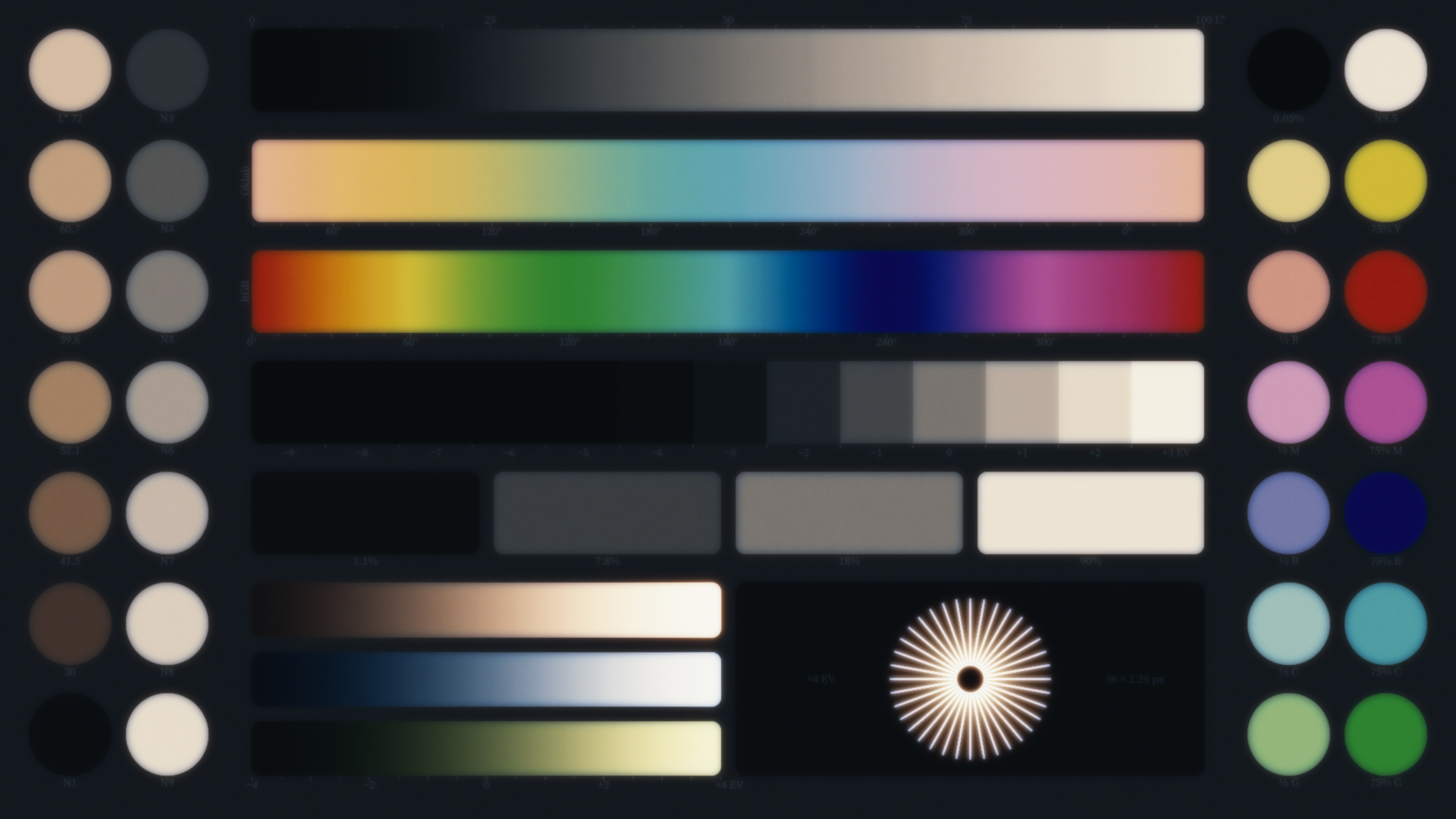
Charte de calibrage : Technicolor Dye Transfer (1997 revival) : OriginalCharte de calibrage : Technicolor Dye Transfer (1997 revival) : Traité
Charte de test synthétique (tons chair, gris Munsell, barres de couleur, rampes de gris et de teintes, coin de gris à paliers, roulement des hautes lumières des couleurs mémorisées, étoile de halation) avant et après le pipeline complet d’Ashigrain : ORWOCOLOR NC 3 tirée sur Technicolor Dye Transfer (1997 revival), Super 35 4-perf, réglages par défaut, exposition +0.54 diaphragme pour égaler le gris moyen de l’original, image 0.

Un modèle trichrome inspiré de la copie du renouveau, et non une reproduction de celle-ci, montré après Kodak Vision3 500T. Il partage les courbes supposées, les sensibilités d’enregistrement et les colorants du modèle Technicolor Process IV, sans image clé et avec un gamma de matrice supposé plus raide de 2.7 pour l’échelle tonale étendue revendiquée par le renouveau.

Courbes de réponse et fondements du modèle

Comparez les données du fabricant à la réponse d’Ashigrain sur les mêmes axes. Ces courbes montrent comment le modèle est calibré sur ses sources ; elles ne prouvent pas qu’il reproduit une prise de vue argentique.

Réponse caractéristique

Densité en fonction de log H (lux-secondes) pour les canaux R, G, B. R : cercles, G : carrés, B : triangles, N : losanges ; les marqueurs pleins et les lignes continues correspondent à numérisé, les marqueurs vides et les lignes en tirets à simulé : numérisé et simulé.−3.0−2.0−1.00.01.02.03.0log H (lux-secondes)0.01.02.03.0Densité

Limites du modèle

Ces images présentent le modèle de pellicule en action. La réponse spectrale, l’éclairage et les conditions de visionnage comportent des approximations ; les halos, la diffusion, la taille du grain, l’instabilité et le scintillement ne sont pas entièrement mesurés pour chaque pellicule. Une prise de vue réelle dépend aussi du développement et du calage du tirage.

  • Il s’agit d’un modèle trichrome inspiré du renouveau du transfert de colorants Technicolor de 1997–2002, et non d’une reproduction de ses copies.
  • Les sources ne contiennent ni courbe caractéristique, ni filtre de sélection, ni gamma de matrice, ni spectre de colorant d’une copie du renouveau. Les courbes, les sensibilités d’enregistrement et les colorants de transfert sont ceux du substitut Technicolor Process IV d’Ashigrain, eux-mêmes des hypothèses nommées.
  • Il ne diffère que là où une source l’indique : il n’y a pas d’image clé, et le gamma de matrice de 2.7, plus raide que les 2.6 du Process IV, est une hypothèse représentant l’échelle tonale étendue revendiquée par le renouveau.
  • Le support polyester est consigné mais non modélisé.
  • La source ne donne aucun spectre de lampe ni de filtre de tireuse. Leur réponse spectrale est approchée.
  • Le voile de projection modélisé relève les noirs à l’écran. Son intensité est supposée, faute de mesure dans les sources disponibles ; il ne permet donc pas d’établir un contraste de projection mesuré.

Réciprocité : non modélisée. Le temps de pose n’a aucun effet sur cette pellicule.

Guide des pellicules : hypothèses et choix pratiques

Cet aperçu associe le positif au négatif de prise de vue indiqué. Dans cette comparaison, le positif n’a ni indice d’exposition distinct ni réponse de grain mesurée propre.

Sources

  1. Process: J. A. Ball, The Technicolor Process of Three-Color Cinematography (American WideScreen Museum transcription), widescreenmuseum.com/oldcolor/ball.htm as served 2026-10-28 (transcription; figures ballpic1a.gif, ballpic2.gif not registered), p. 1
  2. Reconstructed: J. A. Ball, The Technicolor Process of Three-Color Cinematography (American WideScreen Museum transcription), widescreenmuseum.com/oldcolor/ball.htm as served 2026-10-28 (transcription; figures ballpic1a.gif, ballpic2.gif not registered), p. 1

Intégrez cette pellicule à votre étalonnage.

Toutes les pellicules en un seul achat, sans abonnement.