 Ashigrain
Copie couleur · Pellicule de copie
Gasparcolor Print
Copies par destruction de colorants du procédé berlinois de Gaspar, années 1930.
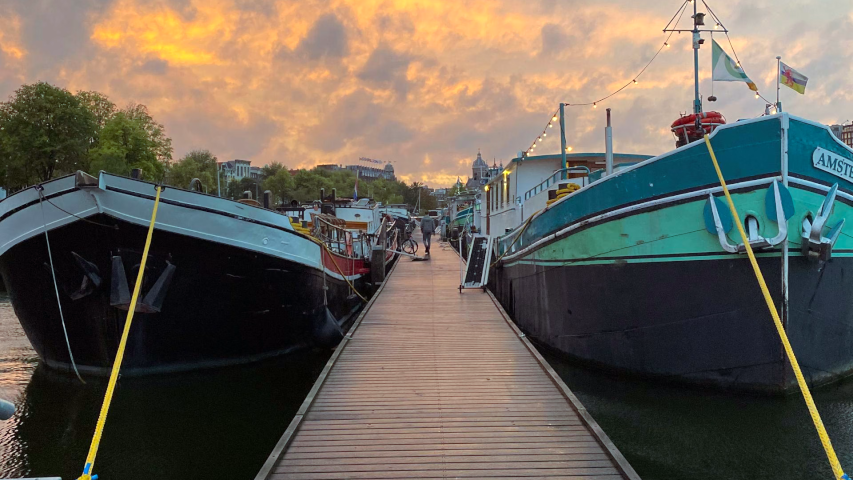
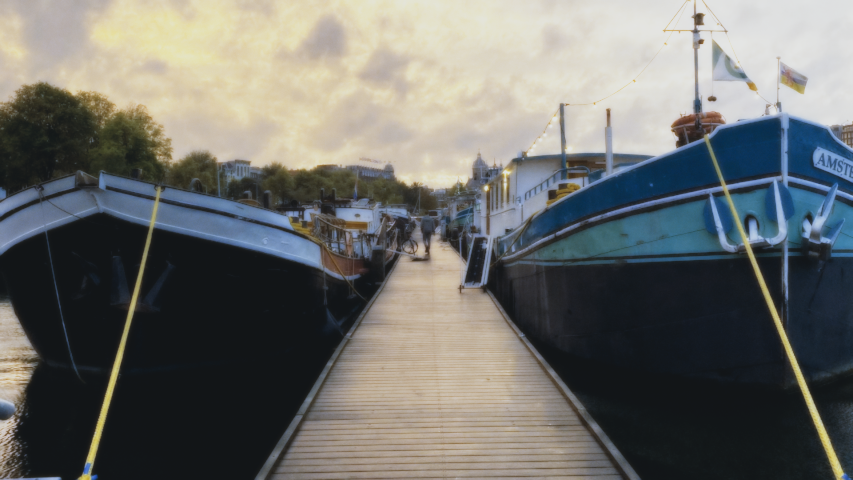
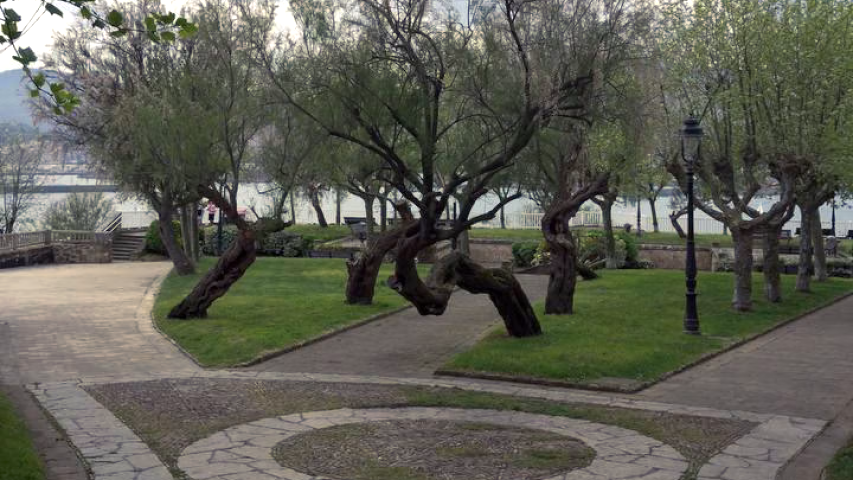
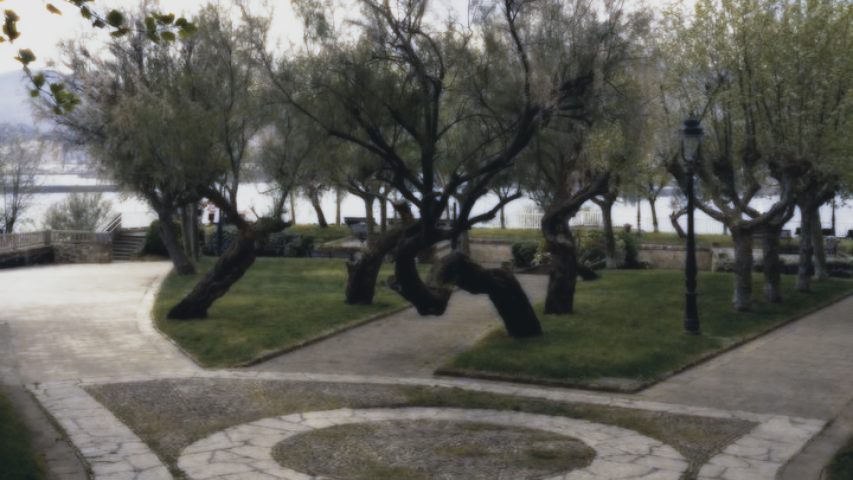
A labelled surrogate of Gaspar's 1930s dye-bleach print, used mainly for animation and advertising: saturated graphic colour. Original vs Ashigrain.
En bref
- Lancement
- début des années 1930
- Arrêté
- Procédé
- Gasparcolor silver dye-bleach print (dyed layers on both sides of the base; dyes destroyed in proportion to the developed silver, then silver removed)
- Densité maximale
- ≈ 2,7
À propos du film
Le Gasparcolor était un film de tirage trichrome à destruction de colorants argentique, que la Timeline of Historical Film Colors présente comme le premier film multicouche trichrome disponible pour un usage pratique.
Béla Gáspár et son frère Imre ont fondé Gasparcolor Naturwahre Farbenfilm GmbH à Berlin en 1930, et Film Atlas date le lancement du film en Allemagne de 1932, la Timeline de 1933. Le film était couché des deux côtés, avec une couche cyan sur une face et des couches magenta et jaune sur l’autre. Ses colorants se trouvaient dans la gélatine avant l’exposition et étaient détruits en proportion de l’argent développé, si bien qu’il tirait des images positives à partir de sélections noir et blanc. Gáspár ne pouvait pas sensibiliser chaque couche à la complémentaire de son colorant, et il a donc associé lumières de tirage et couches de façon arbitraire. Il a servi surtout à l’animation, à la publicité et aux films d’avant-garde, entre autres d’Oskar Fischinger, Len Lye, George Pal et Alexandre Alexeïeff, et à de très rares films en prise de vues réelles, car les longues expositions successives des sélections provoquaient des franges colorées. Après 1935, la société allemande a été fusionnée et, selon le mot de Film Atlas, germanisée ; Gáspár a quitté l’Allemagne, et un long litige de brevets avec Agfa a entravé le procédé. La production a cessé au début des années 1940, et Ciba a plus tard relancé le principe de destruction des colorants sous le nom de Cibachrome.
Sources de cet historique
- Gasparcolor (Noemi Daugaard), Film Atlas (FIAF / George Eastman Museum)
- Gasparcolor OR Gaspar Color, Timeline of Historical Film Colors
- History of Color Photography (1945), chapter 24: Gasparcolor and the Silver-Dye-Bleach Process, J. S. Friedman
Le rendu
Le Gasparcolor était un film de tirage trichrome à destruction de colorants argentique, lancé en Allemagne au début des années 1930 et utilisé surtout pour l’animation, la publicité et les films d’avant-garde. Ses colorants se trouvaient dans le film avant l’exposition et étaient détruits là où l’argent se formait. La version d’Ashigrain est un substitut déclaré, un modèle inspiré de la copie et non une reproduction.


Idéale pour
- Animation abstraite et films publicitaires des années 1930
- Couleur graphique saturée
- Comparer destruction et transfert de colorants
Comparer les films de copie
The same Vision3 500T night frame on each print film: how deep the blacks go, how the highlights roll off and how the colour separates.
The same Vision3 500T night frame on each print film: how deep the blacks go, how the highlights roll off and how the colour separates.
The same Vision3 500T night frame on each print film: how deep the blacks go, how the highlights roll off and how the colour separates.
The same Vision3 500T night frame on each print film: how deep the blacks go, how the highlights roll off and how the colour separates.
The same Vision3 500T night frame on each print film: how deep the blacks go, how the highlights roll off and how the colour separates.
The same Vision3 500T night frame on each print film: how deep the blacks go, how the highlights roll off and how the colour separates.
The same Vision3 500T night frame on each print film: how deep the blacks go, how the highlights roll off and how the colour separates.
The same Vision3 500T night frame on each print film: how deep the blacks go, how the highlights roll off and how the colour separates.
The same Vision3 500T night frame on each print film: how deep the blacks go, how the highlights roll off and how the colour separates.
The same Vision3 500T night frame on each print film: how deep the blacks go, how the highlights roll off and how the colour separates.
The same Vision3 500T night frame on each print film: how deep the blacks go, how the highlights roll off and how the colour separates.
The same Vision3 500T night frame on each print film: how deep the blacks go, how the highlights roll off and how the colour separates.
The same Vision3 500T night frame on each print film: how deep the blacks go, how the highlights roll off and how the colour separates.
The same Vision3 500T night frame on each print film. On this two-colour print (a labelled surrogate) every colour falls between blue-green and red-orange: how deep the blacks go, how the highlights roll off and which lights keep their hue.
The same Vision3 500T night frame on each print film: how deep the blacks go, how the highlights roll off and how the colour separates.
The same Vision3 500T night frame on each print film: how deep the blacks go, how the highlights roll off and how the colour separates.
The same Vision3 500T night frame on each print film: how deep the blacks go, how the highlights roll off and how the colour separates.
The same Vision3 500T night frame on each print film: how deep the blacks go, how the highlights roll off and how the colour separates.
The same Vision3 500T night frame on each print film: how deep the blacks go, how the highlights roll off and how the colour separates.
The same Vision3 500T night frame on each print film: how deep the blacks go, how the highlights roll off and how the colour separates.
The same Vision3 500T night frame on each print film: how deep the blacks go, how the highlights roll off and how the colour separates.
The same Vision3 500T night frame on each print film: how deep the blacks go, how the highlights roll off and how the colour separates.
The same Vision3 500T night frame on each print film: how deep the blacks go, how the highlights roll off and how the colour separates.
The same Vision3 500T night frame on each print film: how deep the blacks go, how the highlights roll off and how the colour separates.
The same Vision3 500T night frame on each print film. On this blue-sensitive black-and-white print the colour negative turns grey: how deep the blacks go, how the highlights roll off and how dark the reds and greens print.
The same Vision3 500T night frame on each print film: how deep the blacks go, how the highlights roll off and how the colour separates.
The same Vision3 500T night frame on each print film. On this blue-sensitive black-and-white print the colour negative turns grey: how deep the blacks go, how the highlights roll off and how dark the red neon and skin print.
The same Vision3 500T night frame on each print film: how deep the blacks go, how the highlights roll off and how the colour separates.
The same Vision3 500T night frame on each print film. On this black-and-white print the colour negative turns grey: how deep the blacks go, how the highlights roll off and how the coloured lights and skin translate to grey.
The same Vision3 500T night frame on each print film. On this blue-sensitive black-and-white print the colour negative turns grey: how deep the blacks go, how the highlights roll off and how the coloured lights and skin translate to grey.
The same Vision3 500T night frame on each print film: how deep the blacks go, how the highlights roll off and how the colour separates.
The same Vision3 500T night frame on each print film: how deep the blacks go, how the highlights roll off and how the colour separates.
The same Vision3 500T night frame on each print film: how deep the blacks go, how the highlights roll off and how the colour separates.
The same Vision3 500T night frame on each print film: how deep the blacks go, how the highlights roll off and how the colour separates.
The same Vision3 500T night frame on each print film: how deep the blacks go, how the highlights roll off and how the colour separates.
The same Vision3 500T night frame on each print film. On this two-colour print (a labelled surrogate) every colour falls between a blue and a red dye: how deep the blacks go, how the highlights roll off and which lights keep their hue.
The same Vision3 500T night frame on each print film: how deep the blacks go, how the highlights roll off and how the colour separates.
La même image de nuit sur Kodak Vision3 500T, tirée sur chaque positif.
- Kodak Vision Premier Color Print Film 2393
- Eastman Color SP Print Film 5383
- Eastman Color Print Film 5384
- Fujifilm Eterna-CP 3521XD
- Du Pont Color Release Positive Type 275
- Fujifilm Eterna-CP 3523XD
- Kodak Vision Color Print Film 2383
- Fujifilm Eterna-CP 3513DI
- Eastman EXR Color Print Film 5386
- Eastman Color Print Film 5381 (1972)
- Eastman Color Print Film 5385
- Agfa CP30 Colour Print Film
- SuperCinecolor
- Cinecolor (two-colour)
- Gevacolor Positive 953
- Gevacolor Print 9.85
- Gevacolor Print 986
- Gevacolor Print 982
- Ferraniacolor Positive
- 3M Color Positive 650
- Fujicolor Positive F-CP 3510
- Fujicolor Positive F-CP 3519
- Fujifilm Eterna-CP 3512
- Eastman Color Print 5381 (1950)
- Eastman Fine Grain Release Positive 5302
- Ansco Color Print 848
- Kodak B&W Print Film 2302
- Svema TsP-11
- Svema MZ-3
- ORWO PF 2 Positive Print Film
- Technicolor Dye Transfer (1997 revival)
- Svema TsP-8R
- Shostka Colour Positive (1950s)
- Technicolor Dye Transfer (Process IV)
- Gasparcolor Print
- Trucolor Print (two-colour)
- Kodak Vision Color Teleprint Film 2395
Science et sources

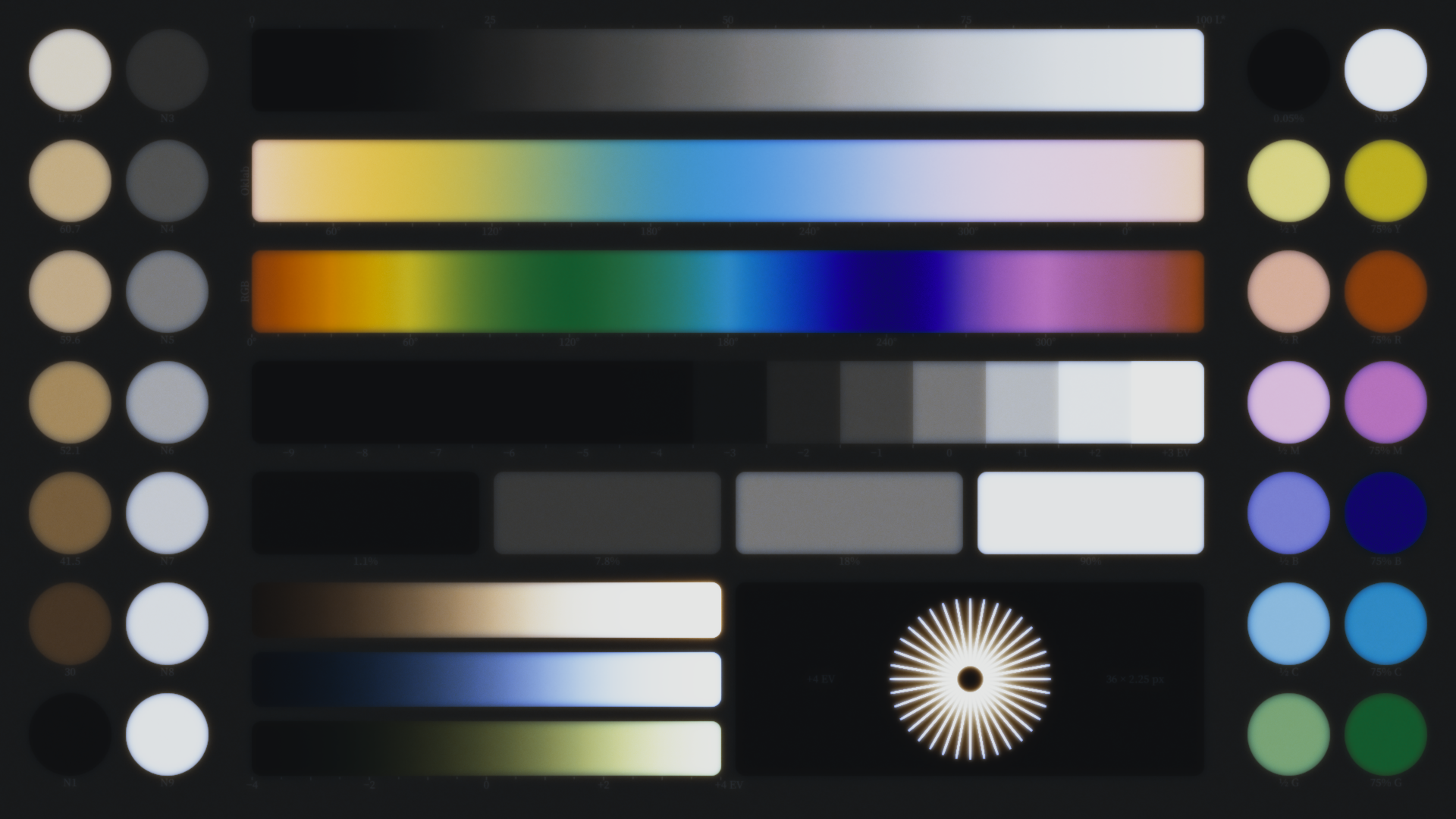
Un modèle trichrome inspiré de la copie, et non une reproduction du Gasparcolor, montré après l’Agfacolor Typ 432. Il partage les formes de colorants et les sensibilités des enregistrements de sélection du modèle de procédé Gasparcolor d’Ashigrain, eux-mêmes des hypothèses nommées guidées par les colorants que Friedman a nommés en 1945, et ses courbes de tirage sont des hypothèses réglées pour le gris le plus neutre. L’étape de destruction des colorants et le couchage double face ne sont pas simulés, et aucune MTF ni granularité n’est publiée pour lui.
Courbes de réponse et fondements du modèle
Comparez les données du fabricant à la réponse d’Ashigrain sur les mêmes axes. Ces courbes montrent comment le modèle est calibré sur ses sources ; elles ne prouvent pas qu’il reproduit une prise de vue argentique.
Réponse caractéristique
Limites du modèle
Ces images présentent le modèle de pellicule en action. La réponse spectrale, l’éclairage et les conditions de visionnage comportent des approximations ; les halos, la diffusion, la taille du grain, l’instabilité et le scintillement ne sont pas entièrement mesurés pour chaque pellicule. Une prise de vue réelle dépend aussi du développement et du calage du tirage.
- Il s’agit d’un modèle trichrome inspiré de la copie Gasparcolor, et non d’une reproduction. Aucune courbe caractéristique, sensibilité spectrale, spectre de colorant, MTF ni mesure de grain d’une copie Gasparcolor n’existe dans les sources.
- Les formes de colorants et les sensibilités des enregistrements de sélection sont celles du modèle de procédé Gasparcolor d’Ashigrain, dérivées des colorants que Friedman a nommés en 1945 (bleu Chicago, rubis Sirius et chrysophénine) et d’hypothèses nommées.
- Les courbes de tirage (gammas d’enregistrement 2.6, 1.8 et 1.9) sont des hypothèses choisies pour le gris le plus neutre. L’étape de destruction des colorants et les positifs de sélection y sont intégrés, non simulés.
- Les lumières de tirage arbitraires, le couchage double face et les franges colorées dues aux expositions successives sont consignés mais pas modélisés. Aucune MTF ni granularité n’est publiée pour lui.
- La source ne donne aucun spectre de lampe ni de filtre de tireuse. Leur réponse spectrale est approchée.
- Le voile de projection modélisé relève les noirs à l’écran. Son intensité est supposée, faute de mesure dans les sources disponibles ; il ne permet donc pas d’établir un contraste de projection mesuré.
Réciprocité : non modélisée. Le temps de pose n’a aucun effet sur cette pellicule.
Guide des pellicules : hypothèses et choix pratiques
Cet aperçu associe le positif au négatif de prise de vue indiqué. Dans cette comparaison, le positif n’a ni indice d’exposition distinct ni réponse de grain mesurée propre.
Sources
- Reconstructed: FILM ATLAS entry 532: Gasparcolor, Wayback capture 20261019104855 of www.filmatlas.com/entry/532, p. 1
- Process: Timeline of Historical Film Colors: Gasparcolor OR Gaspar Color (entry 1264), live page filmcolors.org/timeline-entry/1264/ as served 2026-10-28, p. 1
Intégrez cette pellicule à votre étalonnage.
Toutes les pellicules en un seul achat, sans abonnement.
€199 + VAT