 Ashigrain
Copie noir et blanc · Pellicule de copie
ORWO PF 2 Positive Print Film
Le film de tirage noir et blanc d’ORWO pour le travail d’archive.
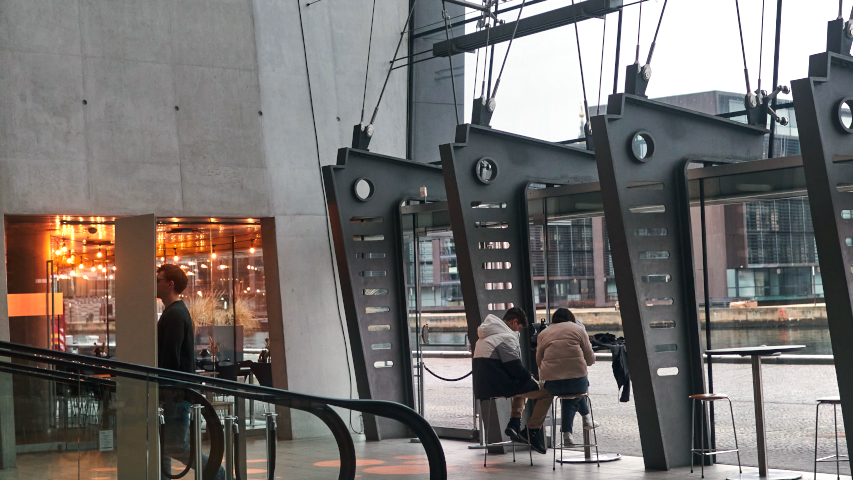
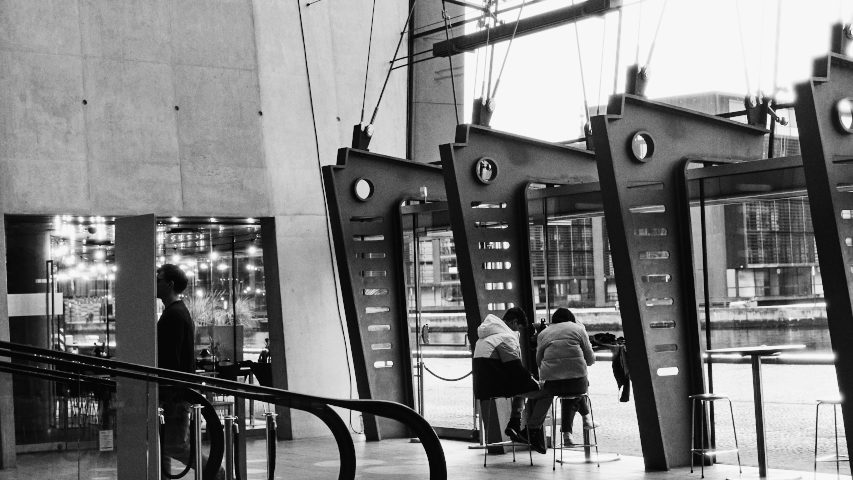
ORWO's blue-sensitive print for archive work, from its 2014 datasheet: built to hold a negative of extreme contrast with a full grey scale. Original vs Ashigrain.
En bref
- Lancement
- dès 2014
- Procédé
- ORWO instruction 2182 (D-97 / ORWO 27), 21 ± 1 C, development 4-8 min, to an average gradient of 2.8
- Densité maximale
- ≈ 3,0
- Support
- Polyester
À propos du film
ORWO Positive Print Film PF 2 est un film de tirage noir et blanc à grain fin sensible au bleu, fabriqué par FilmoTec dans l’usine ORWO d’origine à Wolfen.
ORWO signifie Original Wolfen, et l’usine de Wolfen fit d’abord partie d’Agfa ; American Cinematographer rapporte que FilmoTec a relancé la marque ORWO en 1998. La version modélisée, PF 2 V3, est documentée dans l’information technique de FilmoTec de juin 2014, qui la présente comme successeur de PF 2 V2 et de PF 2 plus. FilmoTec la décrit pour des copies noir et blanc de négatifs ordinaires et en particulier pour les cinémathèques, où elle doit rendre des négatifs de contraste extrême avec une échelle de gris complète. Elle est couchée sur polyester de 125 µm ou triacétate de 135 µm, avec une couche antihalo qui s’éclaircit au traitement et une couche antistatique permanente. Selon l’instruction ORWO 2182, elle se développe en D-97 ou ORWO 27 pendant 4 à 8 minutes, jusqu’à un gradient moyen de 2.8. FilmoTec spécifie une granularité RMS d’au plus 10 et une MTF d’au moins 0.70 à 30 cycles par millimètre. American Cinematographer citait PF2 parmi l’offre ORWO en février 2017.
Sources de cet historique
- ORWO Positive Print Film PF 2 V3 Technical Information (TI-PF2 V3-VI/2014), FilmoTec GmbH
- ORWO Instruction no. 2182: processing of ORWO black & white positive print films, FilmoTec GmbH
- Orwo Film Offers Black-and-White Negative, American Society of Cinematographers
Le rendu
ORWO Positive Print Film PF 2 est un film de tirage noir et blanc sensible au bleu fabriqué à Wolfen, documenté dans sa version V3 de 2014. Il est conçu pour rendre des négatifs de contraste extrême avec une échelle de gris complète, en particulier pour le travail d’archive cinématographique. Sa courbe et sa sensibilité proviennent de la fiche technique du fabricant.


Idéale pour
- Copies dans l’esprit archive et restauration
- Négatifs très contrastés avec une échelle de gris complète
- Tirer des négatifs Tasma NK-2
Comparer les films de copie
The same Vision3 500T night frame on each print film: how deep the blacks go, how the highlights roll off and how the colour separates.
The same Vision3 500T night frame on each print film: how deep the blacks go, how the highlights roll off and how the colour separates.
The same Vision3 500T night frame on each print film: how deep the blacks go, how the highlights roll off and how the colour separates.
The same Vision3 500T night frame on each print film: how deep the blacks go, how the highlights roll off and how the colour separates.
The same Vision3 500T night frame on each print film: how deep the blacks go, how the highlights roll off and how the colour separates.
The same Vision3 500T night frame on each print film: how deep the blacks go, how the highlights roll off and how the colour separates.
The same Vision3 500T night frame on each print film: how deep the blacks go, how the highlights roll off and how the colour separates.
The same Vision3 500T night frame on each print film: how deep the blacks go, how the highlights roll off and how the colour separates.
The same Vision3 500T night frame on each print film: how deep the blacks go, how the highlights roll off and how the colour separates.
The same Vision3 500T night frame on each print film: how deep the blacks go, how the highlights roll off and how the colour separates.
The same Vision3 500T night frame on each print film: how deep the blacks go, how the highlights roll off and how the colour separates.
The same Vision3 500T night frame on each print film: how deep the blacks go, how the highlights roll off and how the colour separates.
The same Vision3 500T night frame on each print film: how deep the blacks go, how the highlights roll off and how the colour separates.
The same Vision3 500T night frame on each print film. On this two-colour print (a labelled surrogate) every colour falls between blue-green and red-orange: how deep the blacks go, how the highlights roll off and which lights keep their hue.
The same Vision3 500T night frame on each print film: how deep the blacks go, how the highlights roll off and how the colour separates.
The same Vision3 500T night frame on each print film: how deep the blacks go, how the highlights roll off and how the colour separates.
The same Vision3 500T night frame on each print film: how deep the blacks go, how the highlights roll off and how the colour separates.
The same Vision3 500T night frame on each print film: how deep the blacks go, how the highlights roll off and how the colour separates.
The same Vision3 500T night frame on each print film: how deep the blacks go, how the highlights roll off and how the colour separates.
The same Vision3 500T night frame on each print film: how deep the blacks go, how the highlights roll off and how the colour separates.
The same Vision3 500T night frame on each print film: how deep the blacks go, how the highlights roll off and how the colour separates.
The same Vision3 500T night frame on each print film: how deep the blacks go, how the highlights roll off and how the colour separates.
The same Vision3 500T night frame on each print film: how deep the blacks go, how the highlights roll off and how the colour separates.
The same Vision3 500T night frame on each print film: how deep the blacks go, how the highlights roll off and how the colour separates.
The same Vision3 500T night frame on each print film. On this blue-sensitive black-and-white print the colour negative turns grey: how deep the blacks go, how the highlights roll off and how dark the reds and greens print.
The same Vision3 500T night frame on each print film: how deep the blacks go, how the highlights roll off and how the colour separates.
The same Vision3 500T night frame on each print film. On this blue-sensitive black-and-white print the colour negative turns grey: how deep the blacks go, how the highlights roll off and how dark the red neon and skin print.
The same Vision3 500T night frame on each print film: how deep the blacks go, how the highlights roll off and how the colour separates.
The same Vision3 500T night frame on each print film. On this black-and-white print the colour negative turns grey: how deep the blacks go, how the highlights roll off and how the coloured lights and skin translate to grey.
The same Vision3 500T night frame on each print film. On this blue-sensitive black-and-white print the colour negative turns grey: how deep the blacks go, how the highlights roll off and how the coloured lights and skin translate to grey.
The same Vision3 500T night frame on each print film: how deep the blacks go, how the highlights roll off and how the colour separates.
The same Vision3 500T night frame on each print film: how deep the blacks go, how the highlights roll off and how the colour separates.
The same Vision3 500T night frame on each print film: how deep the blacks go, how the highlights roll off and how the colour separates.
The same Vision3 500T night frame on each print film: how deep the blacks go, how the highlights roll off and how the colour separates.
The same Vision3 500T night frame on each print film: how deep the blacks go, how the highlights roll off and how the colour separates.
The same Vision3 500T night frame on each print film. On this two-colour print (a labelled surrogate) every colour falls between a blue and a red dye: how deep the blacks go, how the highlights roll off and which lights keep their hue.
The same Vision3 500T night frame on each print film: how deep the blacks go, how the highlights roll off and how the colour separates.
La même image de nuit sur Kodak Vision3 500T, tirée sur chaque positif.
- Kodak Vision Premier Color Print Film 2393
- Eastman Color SP Print Film 5383
- Eastman Color Print Film 5384
- Fujifilm Eterna-CP 3521XD
- Du Pont Color Release Positive Type 275
- Fujifilm Eterna-CP 3523XD
- Kodak Vision Color Print Film 2383
- Fujifilm Eterna-CP 3513DI
- Eastman EXR Color Print Film 5386
- Eastman Color Print Film 5381 (1972)
- Eastman Color Print Film 5385
- Agfa CP30 Colour Print Film
- SuperCinecolor
- Cinecolor (two-colour)
- Gevacolor Positive 953
- Gevacolor Print 9.85
- Gevacolor Print 986
- Gevacolor Print 982
- Ferraniacolor Positive
- 3M Color Positive 650
- Fujicolor Positive F-CP 3510
- Fujicolor Positive F-CP 3519
- Fujifilm Eterna-CP 3512
- Eastman Color Print 5381 (1950)
- Eastman Fine Grain Release Positive 5302
- Ansco Color Print 848
- Kodak B&W Print Film 2302
- Svema TsP-11
- Svema MZ-3
- ORWO PF 2 Positive Print Film
- Technicolor Dye Transfer (1997 revival)
- Svema TsP-8R
- Shostka Colour Positive (1950s)
- Technicolor Dye Transfer (Process IV)
- Gasparcolor Print
- Trucolor Print (two-colour)
- Kodak Vision Color Teleprint Film 2395
Science et sources

Un film de tirage noir et blanc sensible au bleu, montré après Tasma NK-2. Sa courbe caractéristique et sa sensibilité spectrale sont numérisées depuis la fiche technique V3 de 2014, avec la courbe de développement de 5 minutes. Le résultat combine le négatif et la copie.
Courbes de réponse et fondements du modèle
Comparez les données du fabricant à la réponse d’Ashigrain sur les mêmes axes. Ces courbes montrent comment le modèle est calibré sur ses sources ; elles ne prouvent pas qu’il reproduit une prise de vue argentique.
Réponse caractéristique
Limites du modèle
Ces images présentent le modèle de pellicule en action. La réponse spectrale, l’éclairage et les conditions de visionnage comportent des approximations ; les halos, la diffusion, la taille du grain, l’instabilité et le scintillement ne sont pas entièrement mesurés pour chaque pellicule. Une prise de vue réelle dépend aussi du développement et du calage du tirage.
- L’image argentique n’a pas de graphique de colorants et est considérée comme spectralement neutre.
- Le film est sensible au bleu (environ 400–520 nm selon les valeurs indiquées) ; sa sensibilité hors de cette plage ne figure sur aucun graphique.
- La courbe caractéristique est la courbe de 5 minutes de la fiche (gradient d’environ 2.84), l’une des trois durées de développement imprimées ; le contraste pour d’autres développements n’est donc pas modélisé. La courbe s’arrête à la densité 3.0, le haut du graphique imprimé.
- La granularité et la MTF ne sont données que sous forme de bornes (RMS d’au plus 10 ; MTF d’au moins 0.70 à 30 cycles/mm), pas sous forme de courbes.
- Aucune seconde édition avec courbes n’est disponible ; aucune erreur de numérisation n’est donc mesurée.
- La source ne donne aucun spectre de lampe ni de filtre de tireuse. L’étalonnage de la copie noir et blanc est modélisé.
Réciprocité : non modélisée. Le temps de pose n’a aucun effet sur cette pellicule.
Guide des pellicules : hypothèses et choix pratiques
Sources
- Characteristic curves: ORWO Positive Print Film PF 2 V3 Technical Information, TI-PF2 V3-VI/2014, p. 2
- Process: ORWO Positive Print Film PF 2 V3 Technical Information, TI-PF2 V3-VI/2014, p. 2
Intégrez cette pellicule à votre étalonnage.
Toutes les pellicules en un seul achat, sans abonnement.
€199 + VAT