Farbkopie · Kopierfilm

Technicolor Dye Transfer (Process IV)

Dreifarbiges Farbübertragungsverfahren, die klassische Technicolor-Kopie.

Geplante Medien

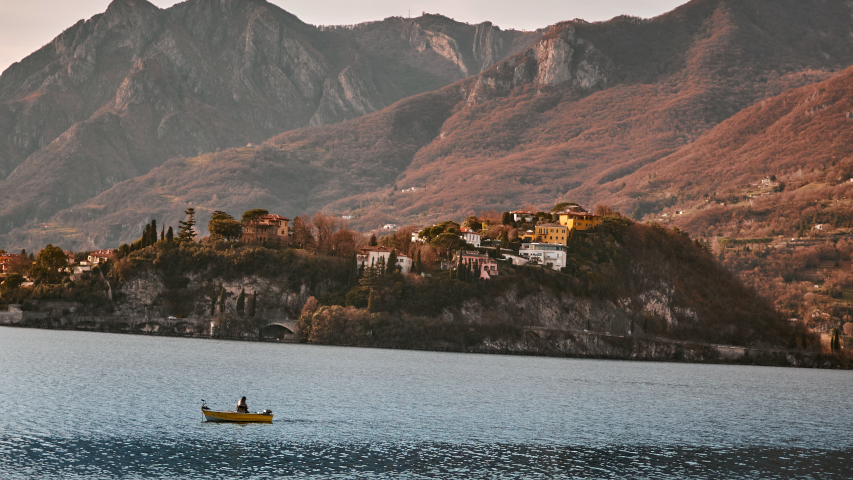
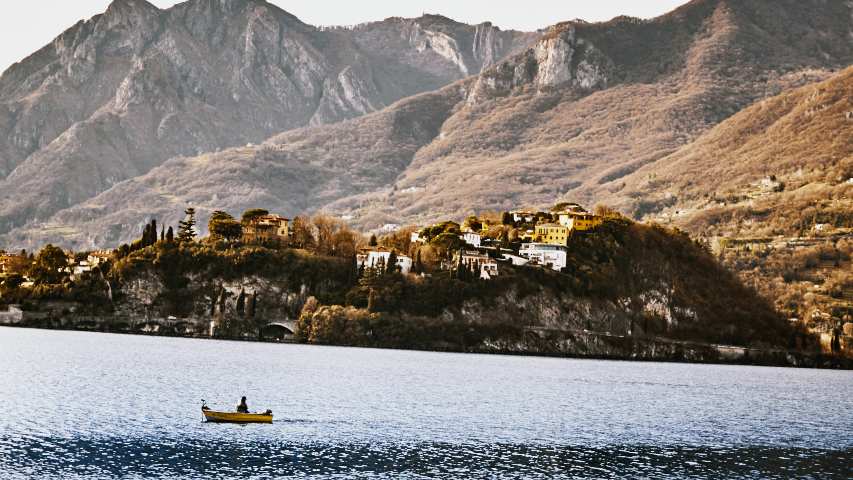
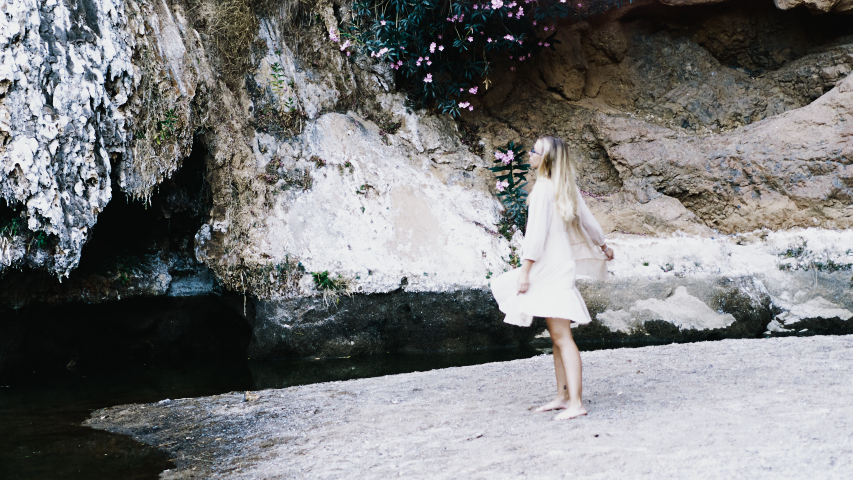
A labelled surrogate of three-colour dye transfer, rendered as the 1950s print step from a colour negative, with a faint key image of the green record. Original vs Ashigrain.

Eastman Color Negative 5247, Technicolor Dye Transfer (Process IV)

stock
Eastman Color Negative 5247
mode
Print
print_film
Technicolor Dye Transfer (Process IV)
film_format
Super 35 (4-perf)

Auf einen Blick

Eingeführt
1932
Eingestellt
Prozess
three separation records printed onto matrix film, developed to hardened gelatin reliefs, imbibed with cyan, magenta and yellow dyes and transferred in register onto a blank
Maximale Dichte
≈ 2,8

Über den Film

Das dreifarbige Farbübertragungsverfahren von Technicolor, bekannt als Process IV, wurde erstmals in Disneys Flowers and Trees von 1932 gezeigt, und Becky Sharp (1935) war der erste Realspielfilm damit.

Eine Strahlteilerkamera belichtete drei Schwarzweißauszüge; jeder wurde auf einen Matrizenfilm kopiert, dessen Gelatinerelief Farbstoff aufnahm und auf einen Blankfilm übertrug, wobei der Rotauszug Cyan druckte, der Grünauszug Magenta und der Blauauszug Gelb. Bis in die 1950er wurde zuerst ein schwaches Schwarzweiß-Schlüsselbild des Grünauszugs auf den Blankfilm kopiert, um die wahrgenommene Schärfe zu stützen, und Ashigrains Modell enthält es. Film Atlas nennt das System den Branchenstandard, und Technicolor beherrschte den Farbfilm von Mitte der 1930er bis in die 1950er, mit Filmen wie A Star Is Born (1937), Gone with the Wind (1939), The Red Shoes (1948) und Singin' in the Rain (1952). Technicolor eröffnete 1936 ein britisches Labor in Harmondsworth bei London, und seine Farbstoffe änderten sich mit der Zeit: Im Krieg verwendete es amerikanische Farbstoffe, und die Farbstoffe des britischen Labors unterschieden sich von denen Hollywoods. Ab den frühen 1950ern stellte Technicolor seine Farbübertragungskopien von Eastman-Color-Negativen statt von Dreistreifen-Auszügen her, der Kopierschritt, den Ashigrain modelliert. Film Atlas nennt diese Kopien farbstabil, anders als die Eastman-Color-Kopien jener Zeit. Das Farbübertragungskopieren von Farbnegativen lief weiter, bis US-Technicolor es um 1975 einstellte und die britischen und italienischen Werke 1978.

Quellen zu dieser Geschichte
  1. Three-Color Technicolor (Céline Ruivo), Film Atlas (FIAF / George Eastman Museum)
  2. Technicolor No. IV: Three-strip, Timeline of Historical Film Colors, University of Zurich
  3. The Technicolor Process of Three-Color Cinematography (J. A. Ball, J. SMPE 1935), American WideScreen Museum
  4. Technicolor prints from color negatives (Richard W. Haines), Film Atlas (FIAF / George Eastman Museum)

Der Look

Die Farbübertragungskopien von Technicolor übertrugen Cyan-, Magenta- und Gelbfarbstoffe von drei Gelatine-Reliefmatrizen auf einen Blankfilm, ab Mitte der 1930er der Branchenstandard. Ashigrains Fassung ist ein gekennzeichnetes Surrogat, ein von der Kopie inspiriertes Modell statt einer Reproduktion. Es gibt den Kopierschritt von einem Farbnegativ wieder.

Beispielbild zu Technicolor Dye Transfer (Process IV): OriginalBeispielbild zu Technicolor Dye Transfer (Process IV): Ashigrain

Geeignet für

  1. Musicals und Melodramen des goldenen Hollywood
  2. Gesättigte Kostüm- und Ausstattungsfarben
  3. Epen der 1950er, kopiert von Farbnegativen

Kopierfilme vergleichen

Geplante Medien

The same Vision3 500T night frame on each print film: how deep the blacks go, how the highlights roll off and how the colour separates.

Kodak Vision3 500T, Kodak Vision Premier Color Print Film 2393

stock
Kodak Vision3 500T
mode
Print
print_film
Kodak Vision Premier Color Print Film 2393
film_format
Super 35 (4-perf)
Kodak Vision3 500T → Kodak Vision Premier Color Print Film 2393

Geplante Medien

The same Vision3 500T night frame on each print film: how deep the blacks go, how the highlights roll off and how the colour separates.

Kodak Vision3 500T, Eastman Color SP Print Film 5383

stock
Kodak Vision3 500T
mode
Print
print_film
Eastman Color SP Print Film 5383
film_format
Super 35 (4-perf)
Kodak Vision3 500T → Eastman Color SP Print Film 5383

Geplante Medien

The same Vision3 500T night frame on each print film: how deep the blacks go, how the highlights roll off and how the colour separates.

Kodak Vision3 500T, Eastman Color Print Film 5384

stock
Kodak Vision3 500T
mode
Print
print_film
Eastman Color Print Film 5384
film_format
Super 35 (4-perf)
Kodak Vision3 500T → Eastman Color Print Film 5384

Geplante Medien

The same Vision3 500T night frame on each print film: how deep the blacks go, how the highlights roll off and how the colour separates.

Kodak Vision3 500T, Fujifilm Eterna-CP 3521XD

stock
Kodak Vision3 500T
mode
Print
print_film
Fujifilm Eterna-CP 3521XD
film_format
Super 35 (4-perf)
Kodak Vision3 500T → Fujifilm Eterna-CP 3521XD

Geplante Medien

The same Vision3 500T night frame on each print film: how deep the blacks go, how the highlights roll off and how the colour separates.

Kodak Vision3 500T, Du Pont Color Release Positive Type 275

stock
Kodak Vision3 500T
mode
Print
print_film
Du Pont Color Release Positive Type 275
film_format
Super 35 (4-perf)
Kodak Vision3 500T → Du Pont Color Release Positive Type 275

Geplante Medien

The same Vision3 500T night frame on each print film: how deep the blacks go, how the highlights roll off and how the colour separates.

Kodak Vision3 500T, Fujifilm Eterna-CP 3523XD

stock
Kodak Vision3 500T
mode
Print
print_film
Fujifilm Eterna-CP 3523XD
film_format
Super 35 (4-perf)
Kodak Vision3 500T → Fujifilm Eterna-CP 3523XD

Geplante Medien

The same Vision3 500T night frame on each print film: how deep the blacks go, how the highlights roll off and how the colour separates.

Kodak Vision3 500T, Kodak Vision Color Print Film 2383

stock
Kodak Vision3 500T
mode
Print
print_film
Kodak Vision Color Print Film 2383
film_format
Super 35 (4-perf)
Kodak Vision3 500T → Kodak Vision Color Print Film 2383

Geplante Medien

The same Vision3 500T night frame on each print film: how deep the blacks go, how the highlights roll off and how the colour separates.

Kodak Vision3 500T, Fujifilm Eterna-CP 3513DI

stock
Kodak Vision3 500T
mode
Print
print_film
Fujifilm Eterna-CP 3513DI
film_format
Super 35 (4-perf)
Kodak Vision3 500T → Fujifilm Eterna-CP 3513DI

Geplante Medien

The same Vision3 500T night frame on each print film: how deep the blacks go, how the highlights roll off and how the colour separates.

Kodak Vision3 500T, Eastman EXR Color Print Film 5386

stock
Kodak Vision3 500T
mode
Print
print_film
Eastman EXR Color Print Film 5386
film_format
Super 35 (4-perf)
Kodak Vision3 500T → Eastman EXR Color Print Film 5386

Geplante Medien

The same Vision3 500T night frame on each print film: how deep the blacks go, how the highlights roll off and how the colour separates.

Kodak Vision3 500T, Eastman Color Print Film 5381 (1972)

stock
Kodak Vision3 500T
mode
Print
print_film
Eastman Color Print Film 5381 (1972)
film_format
Super 35 (4-perf)
Kodak Vision3 500T → Eastman Color Print Film 5381 (1972)

Geplante Medien

The same Vision3 500T night frame on each print film: how deep the blacks go, how the highlights roll off and how the colour separates.

Kodak Vision3 500T, Eastman Color Print Film 5385

stock
Kodak Vision3 500T
mode
Print
print_film
Eastman Color Print Film 5385
film_format
Super 35 (4-perf)
Kodak Vision3 500T → Eastman Color Print Film 5385

Geplante Medien

The same Vision3 500T night frame on each print film: how deep the blacks go, how the highlights roll off and how the colour separates.

Kodak Vision3 500T, Agfa CP30 Colour Print Film

stock
Kodak Vision3 500T
mode
Print
print_film
Agfa CP30 Colour Print Film
film_format
Super 35 (4-perf)
Kodak Vision3 500T → Agfa CP30 Colour Print Film

Geplante Medien

The same Vision3 500T night frame on each print film: how deep the blacks go, how the highlights roll off and how the colour separates.

Kodak Vision3 500T, SuperCinecolor

stock
Kodak Vision3 500T
mode
Print
print_film
SuperCinecolor
film_format
Super 35 (4-perf)
Kodak Vision3 500T → SuperCinecolor

Geplante Medien

The same Vision3 500T night frame on each print film. On this two-colour print (a labelled surrogate) every colour falls between blue-green and red-orange: how deep the blacks go, how the highlights roll off and which lights keep their hue.

Kodak Vision3 500T, Cinecolor (two-colour)

stock
Kodak Vision3 500T
mode
Print
print_film
Cinecolor (two-colour)
film_format
Super 35 (4-perf)
Kodak Vision3 500T → Cinecolor (two-colour)

Geplante Medien

The same Vision3 500T night frame on each print film: how deep the blacks go, how the highlights roll off and how the colour separates.

Kodak Vision3 500T, Gevacolor Positive 953

stock
Kodak Vision3 500T
mode
Print
print_film
Gevacolor Positive 953
film_format
Super 35 (4-perf)
Kodak Vision3 500T → Gevacolor Positive 953

Geplante Medien

The same Vision3 500T night frame on each print film: how deep the blacks go, how the highlights roll off and how the colour separates.

Kodak Vision3 500T, Gevacolor Print 9.85

stock
Kodak Vision3 500T
mode
Print
print_film
Gevacolor Print 9.85
film_format
Super 35 (4-perf)
Kodak Vision3 500T → Gevacolor Print 9.85

Geplante Medien

The same Vision3 500T night frame on each print film: how deep the blacks go, how the highlights roll off and how the colour separates.

Kodak Vision3 500T, Gevacolor Print 986

stock
Kodak Vision3 500T
mode
Print
print_film
Gevacolor Print 986
film_format
Super 35 (4-perf)
Kodak Vision3 500T → Gevacolor Print 986

Geplante Medien

The same Vision3 500T night frame on each print film: how deep the blacks go, how the highlights roll off and how the colour separates.

Kodak Vision3 500T, Gevacolor Print 982

stock
Kodak Vision3 500T
mode
Print
print_film
Gevacolor Print 982
film_format
Super 35 (4-perf)
Kodak Vision3 500T → Gevacolor Print 982

Geplante Medien

The same Vision3 500T night frame on each print film: how deep the blacks go, how the highlights roll off and how the colour separates.

Kodak Vision3 500T, Ferraniacolor Positive

stock
Kodak Vision3 500T
mode
Print
print_film
Ferraniacolor Positive
film_format
Super 35 (4-perf)
Kodak Vision3 500T → Ferraniacolor Positive

Geplante Medien

The same Vision3 500T night frame on each print film: how deep the blacks go, how the highlights roll off and how the colour separates.

Kodak Vision3 500T, 3M Color Positive 650

stock
Kodak Vision3 500T
mode
Print
print_film
3M Color Positive 650
film_format
Super 35 (4-perf)
Kodak Vision3 500T → 3M Color Positive 650

Geplante Medien

The same Vision3 500T night frame on each print film: how deep the blacks go, how the highlights roll off and how the colour separates.

Kodak Vision3 500T, Fujicolor Positive F-CP 3510

stock
Kodak Vision3 500T
mode
Print
print_film
Fujicolor Positive F-CP 3510
film_format
Super 35 (4-perf)
Kodak Vision3 500T → Fujicolor Positive F-CP 3510

Geplante Medien

The same Vision3 500T night frame on each print film: how deep the blacks go, how the highlights roll off and how the colour separates.

Kodak Vision3 500T, Fujicolor Positive F-CP 3519

stock
Kodak Vision3 500T
mode
Print
print_film
Fujicolor Positive F-CP 3519
film_format
Super 35 (4-perf)
Kodak Vision3 500T → Fujicolor Positive F-CP 3519

Geplante Medien

The same Vision3 500T night frame on each print film: how deep the blacks go, how the highlights roll off and how the colour separates.

Kodak Vision3 500T, Fujifilm Eterna-CP 3512

stock
Kodak Vision3 500T
mode
Print
print_film
Fujifilm Eterna-CP 3512
film_format
Super 35 (4-perf)
Kodak Vision3 500T → Fujifilm Eterna-CP 3512

Geplante Medien

The same Vision3 500T night frame on each print film: how deep the blacks go, how the highlights roll off and how the colour separates.

Kodak Vision3 500T, Eastman Color Print 5381 (1950)

stock
Kodak Vision3 500T
mode
Print
print_film
Eastman Color Print 5381 (1950)
film_format
Super 35 (4-perf)
Kodak Vision3 500T → Eastman Color Print 5381 (1950)

Geplante Medien

The same Vision3 500T night frame on each print film. On this blue-sensitive black-and-white print the colour negative turns grey: how deep the blacks go, how the highlights roll off and how dark the reds and greens print.

Kodak Vision3 500T, Eastman Fine Grain Release Positive 5302

stock
Kodak Vision3 500T
mode
Print
print_film
Eastman Fine Grain Release Positive 5302
film_format
Super 35 (4-perf)
Kodak Vision3 500T → Eastman Fine Grain Release Positive 5302

Geplante Medien

The same Vision3 500T night frame on each print film: how deep the blacks go, how the highlights roll off and how the colour separates.

Kodak Vision3 500T, Ansco Color Print 848

stock
Kodak Vision3 500T
mode
Print
print_film
Ansco Color Print 848
film_format
Super 35 (4-perf)
Kodak Vision3 500T → Ansco Color Print 848

Geplante Medien

The same Vision3 500T night frame on each print film. On this blue-sensitive black-and-white print the colour negative turns grey: how deep the blacks go, how the highlights roll off and how dark the red neon and skin print.

Kodak Vision3 500T, Kodak B&W Print Film 2302

stock
Kodak Vision3 500T
mode
Print
print_film
Kodak B&W Print Film 2302
film_format
Super 35 (4-perf)
Kodak Vision3 500T → Kodak B&W Print Film 2302

Geplante Medien

The same Vision3 500T night frame on each print film: how deep the blacks go, how the highlights roll off and how the colour separates.

Kodak Vision3 500T, Svema TsP-11

stock
Kodak Vision3 500T
mode
Print
print_film
Svema TsP-11
film_format
Super 35 (4-perf)
Kodak Vision3 500T → Svema TsP-11

Geplante Medien

The same Vision3 500T night frame on each print film. On this black-and-white print the colour negative turns grey: how deep the blacks go, how the highlights roll off and how the coloured lights and skin translate to grey.

Kodak Vision3 500T, Svema MZ-3

stock
Kodak Vision3 500T
mode
Print
print_film
Svema MZ-3
film_format
Super 35 (4-perf)
Kodak Vision3 500T → Svema MZ-3

Geplante Medien

The same Vision3 500T night frame on each print film. On this blue-sensitive black-and-white print the colour negative turns grey: how deep the blacks go, how the highlights roll off and how the coloured lights and skin translate to grey.

Kodak Vision3 500T, ORWO PF 2 Positive Print Film

stock
Kodak Vision3 500T
mode
Print
print_film
ORWO PF 2 Positive Print Film
film_format
Super 35 (4-perf)
Kodak Vision3 500T → ORWO PF 2 Positive Print Film

Geplante Medien

The same Vision3 500T night frame on each print film: how deep the blacks go, how the highlights roll off and how the colour separates.

Kodak Vision3 500T, Technicolor Dye Transfer (1997 revival)

stock
Kodak Vision3 500T
mode
Print
print_film
Technicolor Dye Transfer (1997 revival)
film_format
Super 35 (4-perf)
Kodak Vision3 500T → Technicolor Dye Transfer (1997 revival)

Geplante Medien

The same Vision3 500T night frame on each print film: how deep the blacks go, how the highlights roll off and how the colour separates.

Kodak Vision3 500T, Svema TsP-8R

stock
Kodak Vision3 500T
mode
Print
print_film
Svema TsP-8R
film_format
Super 35 (4-perf)
Kodak Vision3 500T → Svema TsP-8R

Geplante Medien

The same Vision3 500T night frame on each print film: how deep the blacks go, how the highlights roll off and how the colour separates.

Kodak Vision3 500T, Shostka Colour Positive (1950s)

stock
Kodak Vision3 500T
mode
Print
print_film
Shostka Colour Positive (1950s)
film_format
Super 35 (4-perf)
Kodak Vision3 500T → Shostka Colour Positive (1950s)

Geplante Medien

The same Vision3 500T night frame on each print film: how deep the blacks go, how the highlights roll off and how the colour separates.

Kodak Vision3 500T, Technicolor Dye Transfer (Process IV)

stock
Kodak Vision3 500T
mode
Print
print_film
Technicolor Dye Transfer (Process IV)
film_format
Super 35 (4-perf)
Kodak Vision3 500T → Technicolor Dye Transfer (Process IV)

Geplante Medien

The same Vision3 500T night frame on each print film: how deep the blacks go, how the highlights roll off and how the colour separates.

Kodak Vision3 500T, Gasparcolor Print

stock
Kodak Vision3 500T
mode
Print
print_film
Gasparcolor Print
film_format
Super 35 (4-perf)
Kodak Vision3 500T → Gasparcolor Print

Geplante Medien

The same Vision3 500T night frame on each print film. On this two-colour print (a labelled surrogate) every colour falls between a blue and a red dye: how deep the blacks go, how the highlights roll off and which lights keep their hue.

Kodak Vision3 500T, Trucolor Print (two-colour)

stock
Kodak Vision3 500T
mode
Print
print_film
Trucolor Print (two-colour)
film_format
Super 35 (4-perf)
Kodak Vision3 500T → Trucolor Print (two-colour)

Geplante Medien

The same Vision3 500T night frame on each print film: how deep the blacks go, how the highlights roll off and how the colour separates.

Kodak Vision3 500T, Kodak Vision Color Teleprint Film 2395

stock
Kodak Vision3 500T
mode
Print
print_film
Kodak Vision Color Teleprint Film 2395
film_format
Super 35 (4-perf)
Kodak Vision3 500T → Kodak Vision Color Teleprint Film 2395

Dasselbe Nachtbild auf Kodak Vision3 500T, auf jeden Printfilm kopiert.

Printfilm · tiefstes Schwarz zuerstArtMaximale Dichte, Status A · höher ist tieferes SchwarzProduktionsjahre
Kodak Vision Premier Color Print Film 2393Kodak Vision Premier Color Print Film 2393+2.7 tiefer als Technicolor Dye Transfer (Process IV)Farbe5.51998
Eastman Color SP Print Film 5383Eastman Color SP Print Film 5383Hergestellt 1974–1983 · +2.2 tiefer als Technicolor Dye Transfer (Process IV)Farbe5.01974–83
Eastman Color Print Film 5384Eastman Color Print Film 5384+2.1 tiefer als Technicolor Dye Transfer (Process IV)Farbe4.91981
Fujifilm Eterna-CP 3521XDFujifilm Eterna-CP 3521XD+2.0 tiefer als Technicolor Dye Transfer (Process IV)Farbe4.82007
Du Pont Color Release Positive Type 275Du Pont Color Release Positive Type 275+1.9 tiefer als Technicolor Dye Transfer (Process IV)Farbe4.71949
Fujifilm Eterna-CP 3523XDFujifilm Eterna-CP 3523XD+1.7 tiefer als Technicolor Dye Transfer (Process IV)Farbe4.52010
Kodak Vision Color Print Film 2383Kodak Vision Color Print Film 2383Hergestellt seit 1998, in Produktion · +1.3 tiefer als Technicolor Dye Transfer (Process IV)Farbe4.11998–
Fujifilm Eterna-CP 3513DIFujifilm Eterna-CP 3513DI+1.2 tiefer als Technicolor Dye Transfer (Process IV)Farbe4.02005
Eastman EXR Color Print Film 5386Eastman EXR Color Print Film 5386+1.2 tiefer als Technicolor Dye Transfer (Process IV)Farbe4.01993
Eastman Color Print Film 5381 (1972)Eastman Color Print Film 5381 (1972)+1.2 tiefer als Technicolor Dye Transfer (Process IV)Farbe4.01972
Eastman Color Print Film 5385Eastman Color Print Film 5385+1.2 tiefer als Technicolor Dye Transfer (Process IV)Farbe4.01962
Agfa CP30 Colour Print FilmAgfa CP30 Colour Print Film+1.2 tiefer als Technicolor Dye Transfer (Process IV)Farbe4.02003
SuperCinecolorSuperCinecolor+1.2 tiefer als Technicolor Dye Transfer (Process IV)Farbe4.01948
Cinecolor (two-colour)Cinecolor (two-colour)+1.2 tiefer als Technicolor Dye Transfer (Process IV)Farbe4.01932
Gevacolor Positive 953Gevacolor Positive 953+1.2 tiefer als Technicolor Dye Transfer (Process IV)Farbe4.01958
Gevacolor Print 9.85Gevacolor Print 9.85+1.2 tiefer als Technicolor Dye Transfer (Process IV)Farbe4.01971
Gevacolor Print 986Gevacolor Print 986+1.2 tiefer als Technicolor Dye Transfer (Process IV)Farbe4.01975
Gevacolor Print 982Gevacolor Print 982+1.2 tiefer als Technicolor Dye Transfer (Process IV)Farbe4.01980
Ferraniacolor PositiveFerraniacolor Positive+1.2 tiefer als Technicolor Dye Transfer (Process IV)Farbe4.01949
3M Color Positive 6503M Color Positive 650+1.2 tiefer als Technicolor Dye Transfer (Process IV)Farbe4.01970
Fujicolor Positive F-CP 3510Fujicolor Positive F-CP 3510+1.0 tiefer als Technicolor Dye Transfer (Process IV)Farbe3.82003
Fujicolor Positive F-CP 3519Fujicolor Positive F-CP 3519+1.0 tiefer als Technicolor Dye Transfer (Process IV)Farbe3.82001
Fujifilm Eterna-CP 3512Fujifilm Eterna-CP 3512Hergestellt 2010–2013 · +0.9 tiefer als Technicolor Dye Transfer (Process IV)Farbe3.72010–13
Eastman Color Print 5381 (1950)Eastman Color Print 5381 (1950)Hergestellt 1950–1953 · +0.7 tiefer als Technicolor Dye Transfer (Process IV)Farbe3.51950–53
Eastman Fine Grain Release Positive 5302Eastman Fine Grain Release Positive 5302+0.6 tiefer als Technicolor Dye Transfer (Process IV)S/W3.41950
Ansco Color Print 848Ansco Color Print 848+0.5 tiefer als Technicolor Dye Transfer (Process IV)Farbe3.31951
Kodak B&W Print Film 2302Kodak B&W Print Film 2302Hergestellt seit 2000, in Produktion · +0.4 tiefer als Technicolor Dye Transfer (Process IV)S/W3.22000–
Svema TsP-11Svema TsP-11+0.2 tiefer als Technicolor Dye Transfer (Process IV)Farbe3.01979
Svema MZ-3Svema MZ-3+0.2 tiefer als Technicolor Dye Transfer (Process IV)S/W3.01979
ORWO PF 2 Positive Print FilmORWO PF 2 Positive Print Film+0.2 tiefer als Technicolor Dye Transfer (Process IV)S/W3.02014
Technicolor Dye Transfer (1997 revival)Technicolor Dye Transfer (1997 revival)gleich wie Technicolor Dye Transfer (Process IV)Farbe2.81997
Svema TsP-8RSvema TsP-8Rgleich wie Technicolor Dye Transfer (Process IV)Farbe2.81969
Shostka Colour Positive (1950s)Shostka Colour Positive (1950s)gleich wie Technicolor Dye Transfer (Process IV)Farbe2.81948
Technicolor Dye Transfer (Process IV)Technicolor Dye Transfer (Process IV)dieser PrintfilmFarbe2.81932
Gasparcolor PrintGasparcolor Print−0.1 heller als Technicolor Dye Transfer (Process IV)Farbe2.71932
Trucolor Print (two-colour)Trucolor Print (two-colour)−0.2 heller als Technicolor Dye Transfer (Process IV)Farbe2.61945
Kodak Vision Color Teleprint Film 2395Kodak Vision Color Teleprint Film 2395−0.4 heller als Technicolor Dye Transfer (Process IV)Farbe2.41999

Wissenschaft und Quellen

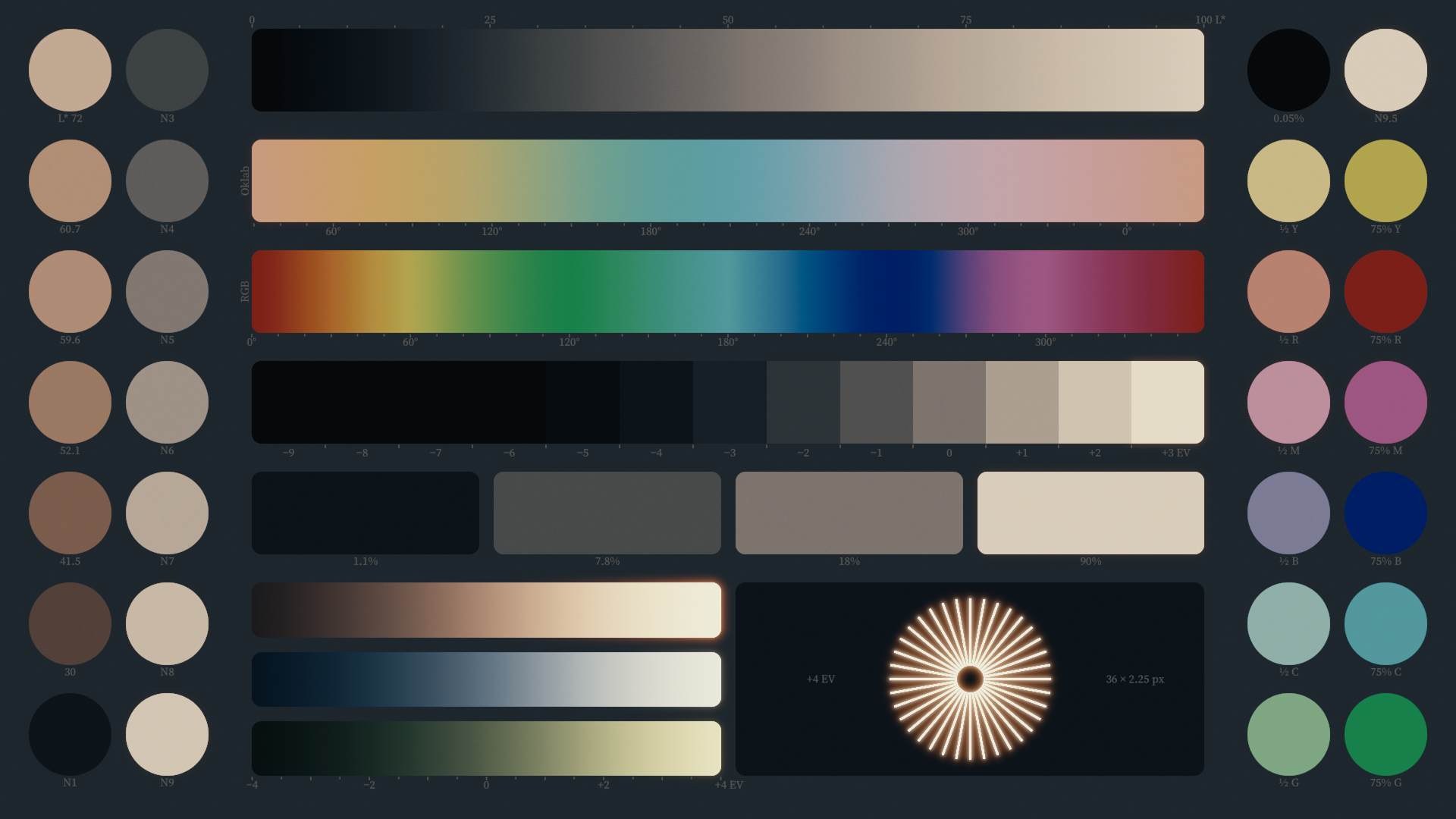
Kalibriertafel zu Technicolor Dye Transfer (Process IV): OriginalKalibriertafel zu Technicolor Dye Transfer (Process IV): Bearbeitet
Synthetische Testtafel (Hauttöne, Munsell-Grautöne, Farbbalken, Grau- und Farbtonverläufe, Stufengraukeil, Lichterverlauf der Gedächtnisfarben, Lichthofstern) vor und nach der vollständigen Ashigrain-Pipeline: ORWO Wolfen NC400, kopiert auf Technicolor Dye Transfer (Process IV), Super 35 4-perf, Standardeinstellungen der Regler, Belichtung +0.61 Blendenstufen zur Anpassung an das Mittelgrau des Originals, Bild 0.

Ein dreifarbiges Modell, von der Kopie inspiriert, keine Reproduktion des Technicolor-Farbübertragungsverfahrens, gezeigt nach Eastman Color Negative 5247. Es gibt keine Kurve, kein Auszugsfilter, kein Matrix-Gamma und keine Farbstoffmessung, daher ist jede Kurve und Farbstoffform aus benannten Annahmen erzeugt, geleitet von Balls Beschreibung von 1935 und Archivquellen; ein schwaches Schlüsselbild des Grünauszugs ist enthalten.

Kennlinien und Datengrundlage des Modells

Vergleiche Herstellerdaten und Ashigrains Reaktion auf denselben Achsen. Die Kurven zeigen, wie das Modell an seinen Quellen kalibriert ist; sie belegen keine Übereinstimmung mit auf Film aufgenommenen Bildern.

Kennlinienantwort

Dichte gegen log H (Lux-Sekunden) für die Kanäle R, G, B. R Kreise, G Quadrate, B Dreiecke, N Rauten; gefüllte Markierungen und durchgezogene Linien sind digitalisiert, offene Markierungen und gestrichelte Linien sind simuliert: digitalisiert und simuliert.−3.0−2.0−1.00.01.02.03.0log H (Lux-Sekunden)0.01.02.03.0Dichte

Modellgrenzen

Diese Bilder zeigen das Filmmodell in Anwendung. Spektralantwort, Licht und Betrachtungsbedingungen enthalten Näherungen. Halation, Bloom, Korngröße, Bildstand und Flackern sind nicht für jeden Film vollständig vermessen. Eine echte Filmaufnahme hängt auch von Entwicklung und Kopierlichtabstimmung ab.

  • Dies ist ein dreifarbiges Modell, inspiriert von den Technicolor-Farbübertragungskopien, keine Reproduktion des ursprünglichen Verfahrens.
  • In den Quellen gibt es keine Kennlinie, kein Auszugsfilter, kein Matrix-Gamma und kein Farbstoffspektrum einer Technicolor-Kopie. Jede Kurve ist aus benannten Annahmen erzeugt, geleitet von Balls Systembeschreibung von 1935 und Archivbeschreibungen.
  • Das Modell gibt den Kopierschritt von einem Farbnegativ wieder, wie ihn die Matrizenkopiermaschine ab den frühen 1950ern ausführte; Dreistreifen-Kameraauszüge sind nicht modelliert.
  • Die drei Auszugsempfindlichkeiten, die einzige, allen Auszügen gemeinsame Kopierkurve (Matrix-Gamma 2.6) und die gaußförmigen Übertragungsfarbstoffe sind Annahmen; Breite und Stärke der Farbstoffe wurden für das neutralste Grau gewählt.
  • Das schwache Schlüsselbild des Grünauszugs ist als neutrale Silberdichte modelliert, deren Stärke angenommen ist.
  • Die Quelle gibt keine Spektren von Kopierlampe oder Filtern an. Ihre spektrale Wirkung ist angenähert.
  • Modelliertes Projektionsstreulicht hebt die Schwarztöne auf der Leinwand an. Seine Stärke ist angenommen, da die verfügbaren Quellen sie nicht messen. Daraus lässt sich kein gemessener Projektionskontrast ableiten.

Schwarzschildeffekt: nicht modelliert. Die Belichtungszeit hat bei diesem Film keine Wirkung.

Filmleitfaden: Annahmen und praktische Entscheidungen

Diese Vorschau kombiniert den Printfilm mit dem genannten Kameranegativ. Der Print hat in diesem Vergleich keinen eigenen Belichtungsindex und keine separat gemessene Kornantwort.

Quellen

  1. Process: J. A. Ball, The Technicolor Process of Three-Color Cinematography (American WideScreen Museum transcription), widescreenmuseum.com/oldcolor/ball.htm as served 2026-10-28 (transcription; figures ballpic1a.gif, ballpic2.gif not registered), S. 1
  2. Reconstructed: J. A. Ball, The Technicolor Process of Three-Color Cinematography (American WideScreen Museum transcription), widescreenmuseum.com/oldcolor/ball.htm as served 2026-10-28 (transcription; figures ballpic1a.gif, ballpic2.gif not registered), S. 1

Hol diesen Film in dein Grading.

Alle Filme in einem Kauf, ohne Abo.