 Ashigrain
Schwarzweißkopie · Kopierfilm
ORWO PF 2 Positive Print Film
ORWOs Schwarzweiß-Kopierfilm für die Archivarbeit.
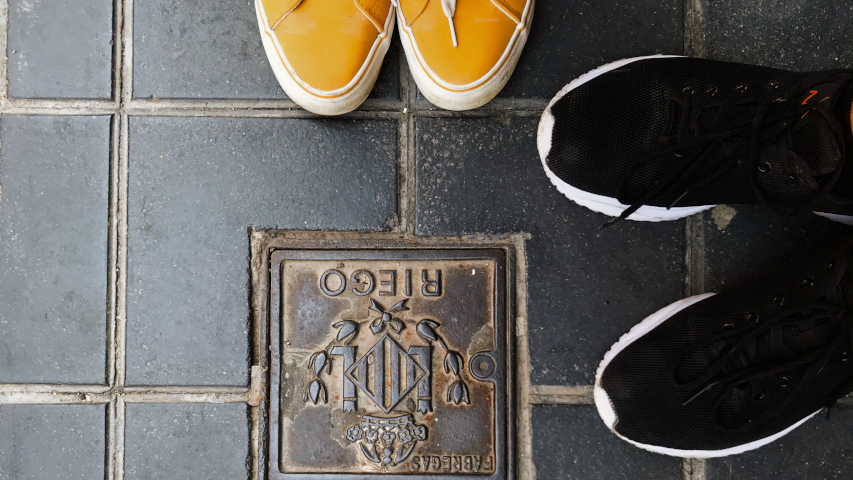
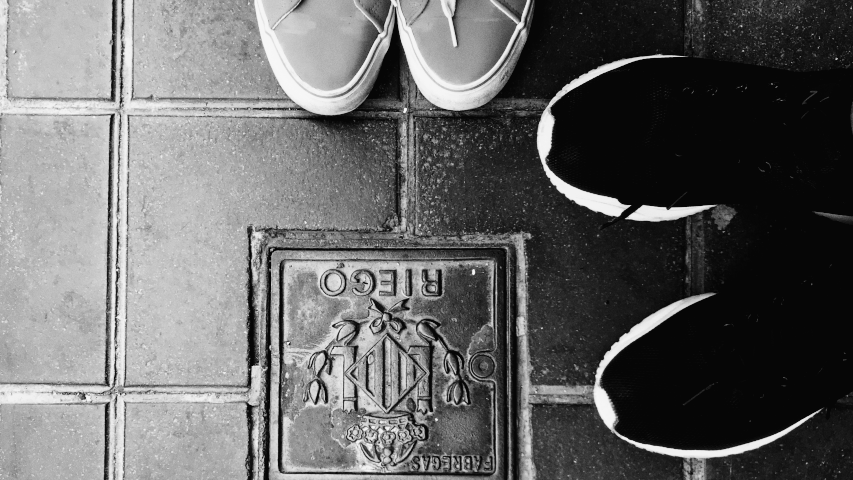
ORWO's blue-sensitive print for archive work, from its 2014 datasheet: built to hold a negative of extreme contrast with a full grey scale. Original vs Ashigrain.
Auf einen Blick
- Eingeführt
- spätestens 2014
- Prozess
- ORWO instruction 2182 (D-97 / ORWO 27), 21 ± 1 C, development 4-8 min, to an average gradient of 2.8
- Maximale Dichte
- ≈ 3,0
- Träger
- Polyester
Über den Film
ORWO Positive Print Film PF 2 ist ein feinkörniger, blauempfindlicher Schwarzweiß-Kopierfilm, hergestellt von FilmoTec im ursprünglichen ORWO-Werk in Wolfen.
ORWO steht für Original Wolfen, und das Wolfener Werk begann als Teil von Agfa; American Cinematographer berichtet, dass FilmoTec die Marke ORWO 1998 wiederbelebte. Die modellierte Version, PF 2 V3, ist in FilmoTecs technischer Information vom Juni 2014 dokumentiert, die sie als Nachfolger von PF 2 V2 und PF 2 plus nennt. FilmoTec beschreibt sie für Schwarzweißkopien von gewöhnlichen Negativen und besonders für Filmarchive, wo sie Negative mit extremem Kontrast mit voller Grauskala wiedergeben soll. Sie ist auf 125 µm Polyester oder 135 µm Triacetat gegossen, mit einer Lichthofschutzschicht, die sich bei der Verarbeitung klärt, und einer dauerhaften Antistatikschicht. Nach der ORWO-Anweisung 2182 wird sie in D-97 oder ORWO 27 für 4 bis 8 Minuten auf einen mittleren Gradienten von 2.8 entwickelt. FilmoTec gibt eine RMS-Körnigkeit von höchstens 10 und eine MTF von mindestens 0.70 bei 30 Perioden pro Millimeter an. American Cinematographer führte PF2 im Februar 2017 unter den Angeboten von ORWO auf.
Quellen zu dieser Geschichte
- ORWO Positive Print Film PF 2 V3 Technical Information (TI-PF2 V3-VI/2014), FilmoTec GmbH
- ORWO Instruction no. 2182: processing of ORWO black & white positive print films, FilmoTec GmbH
- Orwo Film Offers Black-and-White Negative, American Society of Cinematographers
Der Look
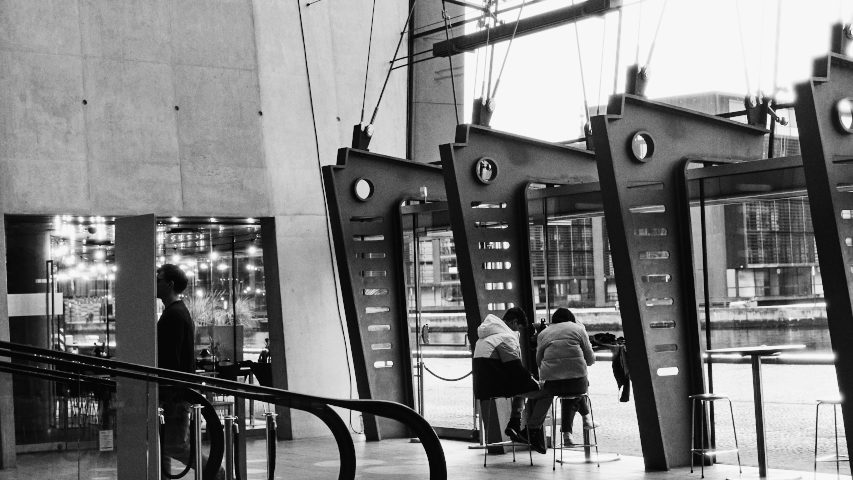
ORWO Positive Print Film PF 2 ist ein blauempfindlicher Schwarzweiß-Kopierfilm aus Wolfen, dokumentiert in seiner Version V3 von 2014. Er soll Negative mit extremem Kontrast mit voller Grauskala wiedergeben, besonders in der Filmarchivarbeit. Kennlinie und Empfindlichkeit stammen aus dem Datenblatt des Herstellers.



Geeignet für
- Kopien im Stil von Archiv und Restaurierung
- Kontrastreiche Negative mit voller Grauskala
- Kopien von Tasma-NK-2-Negativen
Kopierfilme vergleichen
The same Vision3 500T night frame on each print film: how deep the blacks go, how the highlights roll off and how the colour separates.
The same Vision3 500T night frame on each print film: how deep the blacks go, how the highlights roll off and how the colour separates.
The same Vision3 500T night frame on each print film: how deep the blacks go, how the highlights roll off and how the colour separates.
The same Vision3 500T night frame on each print film: how deep the blacks go, how the highlights roll off and how the colour separates.
The same Vision3 500T night frame on each print film: how deep the blacks go, how the highlights roll off and how the colour separates.
The same Vision3 500T night frame on each print film: how deep the blacks go, how the highlights roll off and how the colour separates.
The same Vision3 500T night frame on each print film: how deep the blacks go, how the highlights roll off and how the colour separates.
The same Vision3 500T night frame on each print film: how deep the blacks go, how the highlights roll off and how the colour separates.
The same Vision3 500T night frame on each print film: how deep the blacks go, how the highlights roll off and how the colour separates.
The same Vision3 500T night frame on each print film: how deep the blacks go, how the highlights roll off and how the colour separates.
The same Vision3 500T night frame on each print film: how deep the blacks go, how the highlights roll off and how the colour separates.
The same Vision3 500T night frame on each print film: how deep the blacks go, how the highlights roll off and how the colour separates.
The same Vision3 500T night frame on each print film: how deep the blacks go, how the highlights roll off and how the colour separates.
The same Vision3 500T night frame on each print film. On this two-colour print (a labelled surrogate) every colour falls between blue-green and red-orange: how deep the blacks go, how the highlights roll off and which lights keep their hue.
The same Vision3 500T night frame on each print film: how deep the blacks go, how the highlights roll off and how the colour separates.
The same Vision3 500T night frame on each print film: how deep the blacks go, how the highlights roll off and how the colour separates.
The same Vision3 500T night frame on each print film: how deep the blacks go, how the highlights roll off and how the colour separates.
The same Vision3 500T night frame on each print film: how deep the blacks go, how the highlights roll off and how the colour separates.
The same Vision3 500T night frame on each print film: how deep the blacks go, how the highlights roll off and how the colour separates.
The same Vision3 500T night frame on each print film: how deep the blacks go, how the highlights roll off and how the colour separates.
The same Vision3 500T night frame on each print film: how deep the blacks go, how the highlights roll off and how the colour separates.
The same Vision3 500T night frame on each print film: how deep the blacks go, how the highlights roll off and how the colour separates.
The same Vision3 500T night frame on each print film: how deep the blacks go, how the highlights roll off and how the colour separates.
The same Vision3 500T night frame on each print film: how deep the blacks go, how the highlights roll off and how the colour separates.
The same Vision3 500T night frame on each print film. On this blue-sensitive black-and-white print the colour negative turns grey: how deep the blacks go, how the highlights roll off and how dark the reds and greens print.
The same Vision3 500T night frame on each print film: how deep the blacks go, how the highlights roll off and how the colour separates.
The same Vision3 500T night frame on each print film. On this blue-sensitive black-and-white print the colour negative turns grey: how deep the blacks go, how the highlights roll off and how dark the red neon and skin print.
The same Vision3 500T night frame on each print film: how deep the blacks go, how the highlights roll off and how the colour separates.
The same Vision3 500T night frame on each print film. On this black-and-white print the colour negative turns grey: how deep the blacks go, how the highlights roll off and how the coloured lights and skin translate to grey.
The same Vision3 500T night frame on each print film. On this blue-sensitive black-and-white print the colour negative turns grey: how deep the blacks go, how the highlights roll off and how the coloured lights and skin translate to grey.
The same Vision3 500T night frame on each print film: how deep the blacks go, how the highlights roll off and how the colour separates.
The same Vision3 500T night frame on each print film: how deep the blacks go, how the highlights roll off and how the colour separates.
The same Vision3 500T night frame on each print film: how deep the blacks go, how the highlights roll off and how the colour separates.
The same Vision3 500T night frame on each print film: how deep the blacks go, how the highlights roll off and how the colour separates.
The same Vision3 500T night frame on each print film: how deep the blacks go, how the highlights roll off and how the colour separates.
The same Vision3 500T night frame on each print film. On this two-colour print (a labelled surrogate) every colour falls between a blue and a red dye: how deep the blacks go, how the highlights roll off and which lights keep their hue.
The same Vision3 500T night frame on each print film: how deep the blacks go, how the highlights roll off and how the colour separates.
Dasselbe Nachtbild auf Kodak Vision3 500T, auf jeden Printfilm kopiert.
- Kodak Vision Premier Color Print Film 2393
- Eastman Color SP Print Film 5383
- Eastman Color Print Film 5384
- Fujifilm Eterna-CP 3521XD
- Du Pont Color Release Positive Type 275
- Fujifilm Eterna-CP 3523XD
- Kodak Vision Color Print Film 2383
- Fujifilm Eterna-CP 3513DI
- Eastman EXR Color Print Film 5386
- Eastman Color Print Film 5381 (1972)
- Eastman Color Print Film 5385
- Agfa CP30 Colour Print Film
- SuperCinecolor
- Cinecolor (two-colour)
- Gevacolor Positive 953
- Gevacolor Print 9.85
- Gevacolor Print 986
- Gevacolor Print 982
- Ferraniacolor Positive
- 3M Color Positive 650
- Fujicolor Positive F-CP 3510
- Fujicolor Positive F-CP 3519
- Fujifilm Eterna-CP 3512
- Eastman Color Print 5381 (1950)
- Eastman Fine Grain Release Positive 5302
- Ansco Color Print 848
- Kodak B&W Print Film 2302
- Svema TsP-11
- Svema MZ-3
- ORWO PF 2 Positive Print Film
- Technicolor Dye Transfer (1997 revival)
- Svema TsP-8R
- Shostka Colour Positive (1950s)
- Technicolor Dye Transfer (Process IV)
- Gasparcolor Print
- Trucolor Print (two-colour)
- Kodak Vision Color Teleprint Film 2395
Wissenschaft und Quellen

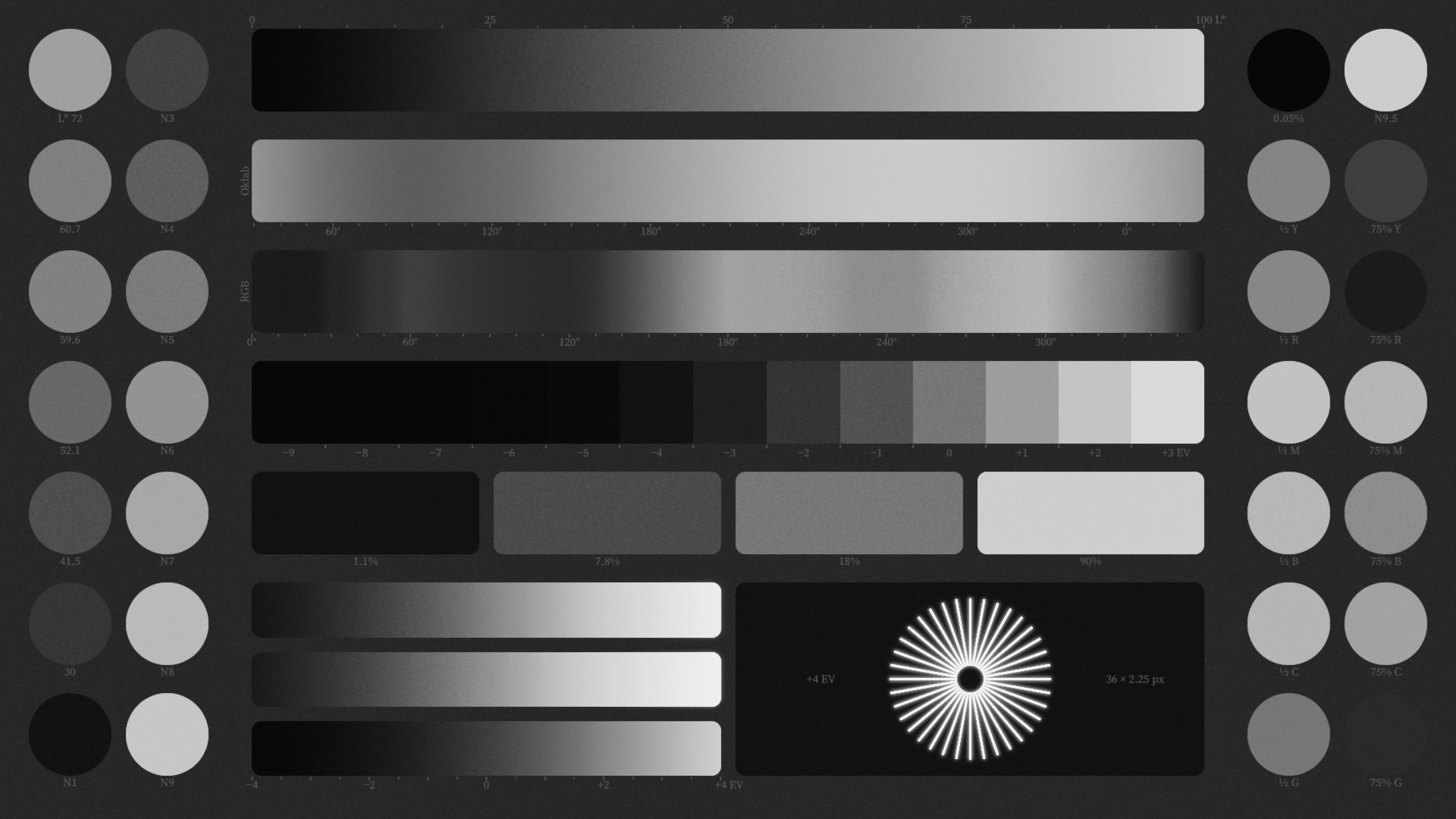
Ein blauempfindlicher Schwarzweiß-Kopierfilm, gezeigt nach Tasma NK-2. Kennlinie und spektrale Empfindlichkeit sind aus dem Datenblatt V3 von 2014 digitalisiert, mit der Kurve für 5 Minuten Entwicklung. Das Ergebnis verbindet Negativ und Kopie.
Kennlinien und Datengrundlage des Modells
Vergleiche Herstellerdaten und Ashigrains Reaktion auf denselben Achsen. Die Kurven zeigen, wie das Modell an seinen Quellen kalibriert ist; sie belegen keine Übereinstimmung mit auf Film aufgenommenen Bildern.
Kennlinienantwort
Modellgrenzen
Diese Bilder zeigen das Filmmodell in Anwendung. Spektralantwort, Licht und Betrachtungsbedingungen enthalten Näherungen. Halation, Bloom, Korngröße, Bildstand und Flackern sind nicht für jeden Film vollständig vermessen. Eine echte Filmaufnahme hängt auch von Entwicklung und Kopierlichtabstimmung ab.
- Das Silberbild hat keine Farbstoffgrafik und wird als spektral neutral angenommen.
- Der Film ist blauempfindlich (etwa 400–520 nm laut Datenblatt); seine Empfindlichkeit außerhalb dieses Bereichs ist nicht dargestellt.
- Die Kennlinie ist die 5-Minuten-Kurve des Datenblatts (Gradient etwa 2.84), eine von drei gedruckten Entwicklungszeiten; der Kontrast bei anderer Entwicklung ist daher nicht modelliert. Die Kurve endet bei Dichte 3.0, dem oberen Rand des gedruckten Diagramms.
- Körnigkeit und MTF sind nur als Grenzwerte angegeben (RMS höchstens 10; MTF mindestens 0.70 bei 30 Perioden/mm), nicht als Kurven.
- Es gibt keine zweite Ausgabe mit Kurven, daher ist kein Digitalisierungsfehler gemessen.
- Die Quelle nennt keine Lampen- oder Filterspektren der Kopiermaschine. Die Lichtbestimmung der Schwarzweißkopie wird modelliert.
Schwarzschildeffekt: nicht modelliert. Die Belichtungszeit hat bei diesem Film keine Wirkung.
Filmleitfaden: Annahmen und praktische Entscheidungen
Quellen
- Characteristic curves: ORWO Positive Print Film PF 2 V3 Technical Information, TI-PF2 V3-VI/2014, S. 2
- Process: ORWO Positive Print Film PF 2 V3 Technical Information, TI-PF2 V3-VI/2014, S. 2
Hol diesen Film in dein Grading.
Alle Filme in einem Kauf, ohne Abo.
€199 + VAT