 Ashigrain
Farbkopie · Kopierfilm
Svema TsP-11
Свема ЦП-11
Ein schärferes sowjetisches Farbpositiv für Verleihkopien.
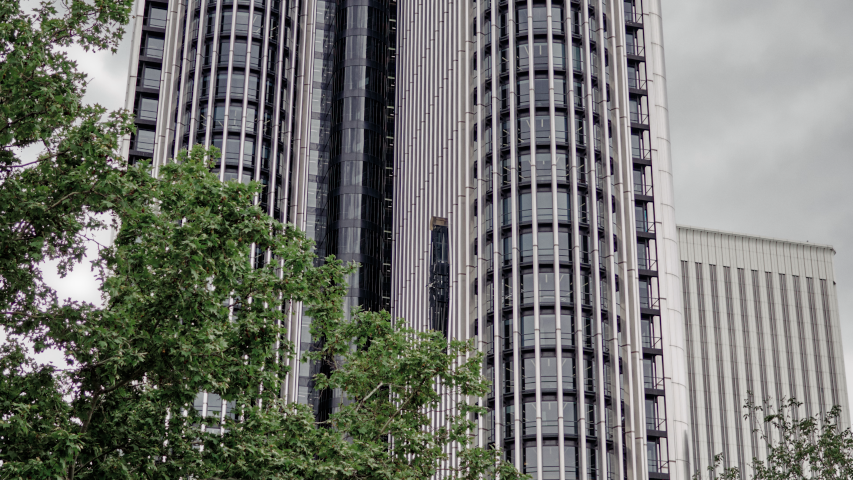
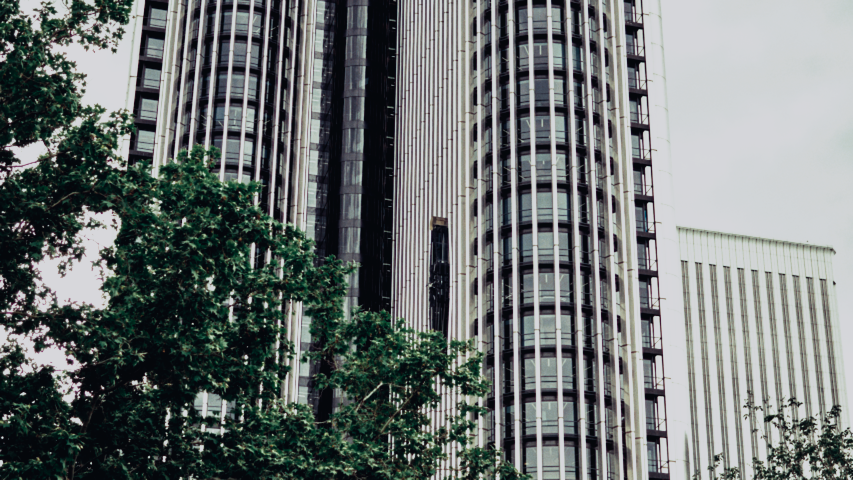
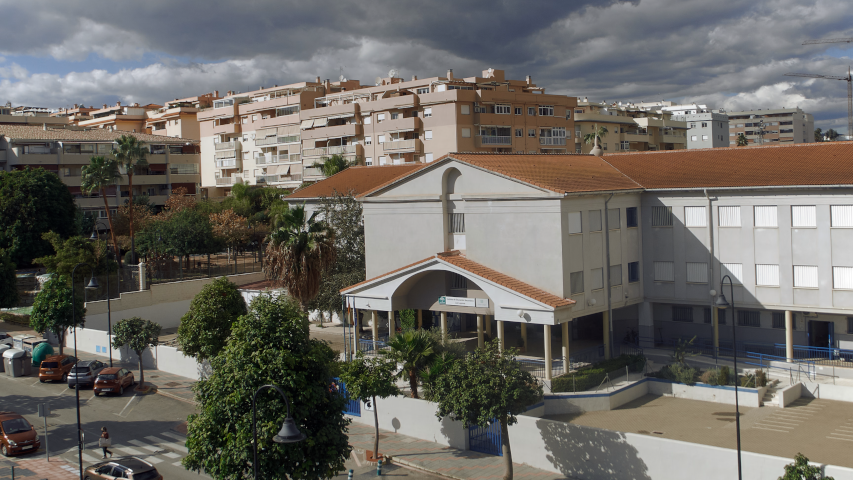
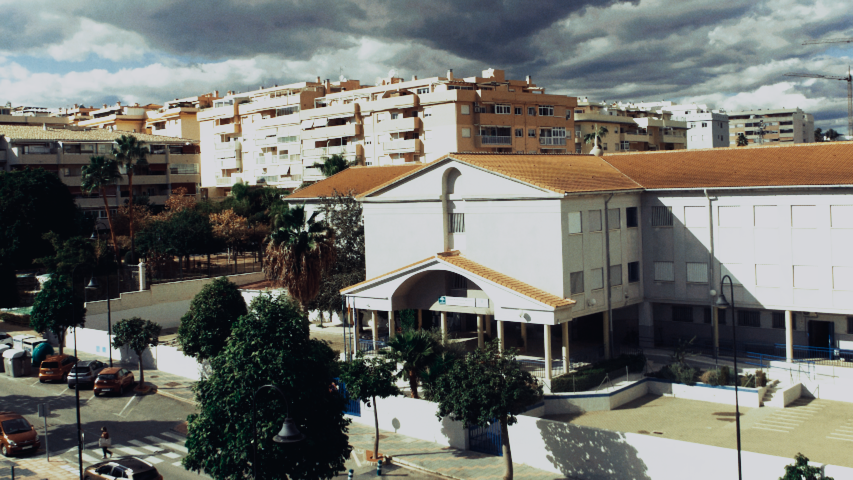
The late-Soviet colour positive that followed TsP-8R, reconstructed from handbook figures with TsP-8R's dyes. Original vs Ashigrain.
Auf einen Blick
- Eingeführt
- spätestens 1979
- Prozess
- Svema cold colour-positive development (18-22 °C)
- Maximale Dichte
- ≈ 3,0
Über den Film
Svema TsP-11 (Свема ЦП-11) war ein sowjetischer Farbkopierfilm für Verleihkopien von maskierten Negativen und Duplikatnegativen.
Ein Kamerahandbuch von 1979 nennt seine Werte in einer Tabelle einheimischer Farbpositivfilme, und ein Lehrbuch von 1980 führt dieselben Eigenschaften auf. Die Handbücher nennen einen Kontrast von 3.0 ± 0.3, einen Schleier von höchstens 0.15, eine maximale Dichte von 3.0 und eine Empfindlichkeit von 0.75 GOST-Einheiten. Ungewöhnlich war die vertauschte Schichtfolge: Die grünempfindliche Schicht lag oben, die rote in der Mitte und die blaue unten, was laut dem Handbuch von 1979 Auflösung und Schärfe erhöhte. Seine Schärfe war bei 30 Linien pro Millimeter mit mindestens 0.75 für die Grünschicht und 0.4 für die Rotschicht festgelegt. Er wurde im selben einheimischen Farbpositiv-Entwickler wie TsP-8R entwickelt. Ein Handbuch von 1990 beschreibt ihn noch und schreibt ihm bessere Schärfe, physikalische Eigenschaften und Farbtrennung als seinem Vorgänger zu, aber mit geänderten Werten: einer Empfindlichkeit von mindestens 0.30 und einer maximalen Dichte von 2.6.
Quellen zu dieser Geschichte
- Гордийчук И. Б., Пелль В. Г. Справочник кинооператора (1979), Internet Archive
- Иофис Е. А. Кинофотопроцессы и материалы (1980), Internet Archive
- Журба Ю. И. Краткий справочник по фотографическим процессам и материалам (1990), djvu.online
Der Look
Svema TsP-11 war ein sowjetischer Farbkopierfilm für Verleihkopien von maskierten und Duplikatnegativen, dokumentiert ab 1979. Ein Handbuch von 1990 schreibt ihm bessere Schärfe und Farbtrennung als seinem Vorgänger zu. Ashigrain rekonstruiert ihn aus Handbuchwerten, mit von TsP-8R entlehnten Farbstoffen.


Geeignet für
- Kopien von Svema-LN-9-Negativen
- Spätsowjetische Verleihkopien
- TsP-11 im Vergleich mit TsP-8R
Kopierfilme vergleichen
The same Vision3 500T night frame on each print film: how deep the blacks go, how the highlights roll off and how the colour separates.
The same Vision3 500T night frame on each print film: how deep the blacks go, how the highlights roll off and how the colour separates.
The same Vision3 500T night frame on each print film: how deep the blacks go, how the highlights roll off and how the colour separates.
The same Vision3 500T night frame on each print film: how deep the blacks go, how the highlights roll off and how the colour separates.
The same Vision3 500T night frame on each print film: how deep the blacks go, how the highlights roll off and how the colour separates.
The same Vision3 500T night frame on each print film: how deep the blacks go, how the highlights roll off and how the colour separates.
The same Vision3 500T night frame on each print film: how deep the blacks go, how the highlights roll off and how the colour separates.
The same Vision3 500T night frame on each print film: how deep the blacks go, how the highlights roll off and how the colour separates.
The same Vision3 500T night frame on each print film: how deep the blacks go, how the highlights roll off and how the colour separates.
The same Vision3 500T night frame on each print film: how deep the blacks go, how the highlights roll off and how the colour separates.
The same Vision3 500T night frame on each print film: how deep the blacks go, how the highlights roll off and how the colour separates.
The same Vision3 500T night frame on each print film: how deep the blacks go, how the highlights roll off and how the colour separates.
The same Vision3 500T night frame on each print film: how deep the blacks go, how the highlights roll off and how the colour separates.
The same Vision3 500T night frame on each print film. On this two-colour print (a labelled surrogate) every colour falls between blue-green and red-orange: how deep the blacks go, how the highlights roll off and which lights keep their hue.
The same Vision3 500T night frame on each print film: how deep the blacks go, how the highlights roll off and how the colour separates.
The same Vision3 500T night frame on each print film: how deep the blacks go, how the highlights roll off and how the colour separates.
The same Vision3 500T night frame on each print film: how deep the blacks go, how the highlights roll off and how the colour separates.
The same Vision3 500T night frame on each print film: how deep the blacks go, how the highlights roll off and how the colour separates.
The same Vision3 500T night frame on each print film: how deep the blacks go, how the highlights roll off and how the colour separates.
The same Vision3 500T night frame on each print film: how deep the blacks go, how the highlights roll off and how the colour separates.
The same Vision3 500T night frame on each print film: how deep the blacks go, how the highlights roll off and how the colour separates.
The same Vision3 500T night frame on each print film: how deep the blacks go, how the highlights roll off and how the colour separates.
The same Vision3 500T night frame on each print film: how deep the blacks go, how the highlights roll off and how the colour separates.
The same Vision3 500T night frame on each print film: how deep the blacks go, how the highlights roll off and how the colour separates.
The same Vision3 500T night frame on each print film. On this blue-sensitive black-and-white print the colour negative turns grey: how deep the blacks go, how the highlights roll off and how dark the reds and greens print.
The same Vision3 500T night frame on each print film: how deep the blacks go, how the highlights roll off and how the colour separates.
The same Vision3 500T night frame on each print film. On this blue-sensitive black-and-white print the colour negative turns grey: how deep the blacks go, how the highlights roll off and how dark the red neon and skin print.
The same Vision3 500T night frame on each print film: how deep the blacks go, how the highlights roll off and how the colour separates.
The same Vision3 500T night frame on each print film. On this black-and-white print the colour negative turns grey: how deep the blacks go, how the highlights roll off and how the coloured lights and skin translate to grey.
The same Vision3 500T night frame on each print film. On this blue-sensitive black-and-white print the colour negative turns grey: how deep the blacks go, how the highlights roll off and how the coloured lights and skin translate to grey.
The same Vision3 500T night frame on each print film: how deep the blacks go, how the highlights roll off and how the colour separates.
The same Vision3 500T night frame on each print film: how deep the blacks go, how the highlights roll off and how the colour separates.
The same Vision3 500T night frame on each print film: how deep the blacks go, how the highlights roll off and how the colour separates.
The same Vision3 500T night frame on each print film: how deep the blacks go, how the highlights roll off and how the colour separates.
The same Vision3 500T night frame on each print film: how deep the blacks go, how the highlights roll off and how the colour separates.
The same Vision3 500T night frame on each print film. On this two-colour print (a labelled surrogate) every colour falls between a blue and a red dye: how deep the blacks go, how the highlights roll off and which lights keep their hue.
The same Vision3 500T night frame on each print film: how deep the blacks go, how the highlights roll off and how the colour separates.
Dasselbe Nachtbild auf Kodak Vision3 500T, auf jeden Printfilm kopiert.
- Kodak Vision Premier Color Print Film 2393
- Eastman Color SP Print Film 5383
- Eastman Color Print Film 5384
- Fujifilm Eterna-CP 3521XD
- Du Pont Color Release Positive Type 275
- Fujifilm Eterna-CP 3523XD
- Kodak Vision Color Print Film 2383
- Fujifilm Eterna-CP 3513DI
- Eastman EXR Color Print Film 5386
- Eastman Color Print Film 5381 (1972)
- Eastman Color Print Film 5385
- Agfa CP30 Colour Print Film
- SuperCinecolor
- Cinecolor (two-colour)
- Gevacolor Positive 953
- Gevacolor Print 9.85
- Gevacolor Print 986
- Gevacolor Print 982
- Ferraniacolor Positive
- 3M Color Positive 650
- Fujicolor Positive F-CP 3510
- Fujicolor Positive F-CP 3519
- Fujifilm Eterna-CP 3512
- Eastman Color Print 5381 (1950)
- Eastman Fine Grain Release Positive 5302
- Ansco Color Print 848
- Kodak B&W Print Film 2302
- Svema TsP-11
- Svema MZ-3
- ORWO PF 2 Positive Print Film
- Technicolor Dye Transfer (1997 revival)
- Svema TsP-8R
- Shostka Colour Positive (1950s)
- Technicolor Dye Transfer (Process IV)
- Gasparcolor Print
- Trucolor Print (two-colour)
- Kodak Vision Color Teleprint Film 2395
Wissenschaft und Quellen

Ein sowjetischer Farbkopierfilm, gezeigt nach Svema LN-9. Von TsP-11 ist keine Kurve veröffentlicht: Kennlinien und MTF sind aus Handbuchwerten rekonstruiert, die spektrale Empfindlichkeit folgt der Rekonstruktion von TsP-8R, und die Farbstoffe sind von Svema TsP-8R entlehnt, einem Ersatz.
Der folgende Markenhinweis wird auf Englisch angegeben.
Svema is named only to identify the film; its trademarks belong to their respective owners, whose identity is unknown.
Kennlinien und Datengrundlage des Modells
Vergleiche Herstellerdaten und Ashigrains Reaktion auf denselben Achsen. Die Kurven zeigen, wie das Modell an seinen Quellen kalibriert ist; sie belegen keine Übereinstimmung mit auf Film aufgenommenen Bildern.
Kennlinienantwort
Modellgrenzen
Diese Bilder zeigen das Filmmodell in Anwendung. Spektralantwort, Licht und Betrachtungsbedingungen enthalten Näherungen. Halation, Bloom, Korngröße, Bildstand und Flackern sind nicht für jeden Film vollständig vermessen. Eine echte Filmaufnahme hängt auch von Entwicklung und Kopierlichtabstimmung ab.
- Für Свема ЦП-11 ist keine Kurve veröffentlicht. Seine Kennlinien und MTF sind aus sowjetischen Handbüchern rekonstruiert (Гордийчук & Пелль 1979; Иофис 1980; Журба 1990), nicht aus einem Datenblatt digitalisiert.
- Die Farbstoffe sind von Свема ЦП-8Р entlehnt (digitalisiert aus Konovalov 1997), ein Ersatz statt der Farbstoffe dieses Films; eine Farbstoffkurve von ЦП-11 ist nicht abgedruckt.
- Die spektralen Empfindlichkeiten übernehmen die Rekonstruktion von ЦП-8Р, die auf allgemeinen Aussagen der Handbücher über sowjetische Positivfilme beruht, nicht auf Daten speziell für ЦП-11.
- Die Quellen widersprechen sich bei der Empfindlichkeit (0.75 in 1979 und 1980, mindestens 0.30 in 1990) und der maximalen Dichte (3.0 gegenüber 2.6); das Modell verwendet die Werte von 1979 und 1980.
- Die vertauschte Schichtfolge (Grün oben) ist erfasst, aber nicht modelliert.
- Die MTF ist aus zwei Werten bei 30 Linien/mm für die Grün- und die Rotschicht rekonstruiert; ein Blauwert ist nicht veröffentlicht. Die Körnigkeit ist nicht modelliert.
- Die Grau-Zieldichte nach Status A ist angenommen: Es sind keine Labor-Zieldichten veröffentlicht. Es ist kein Spektrum von Lampe oder Filter veröffentlicht.
- Modelliertes Projektionsstreulicht hebt die Schwarztöne auf der Leinwand an. Seine Stärke ist angenommen, da die verfügbaren Quellen sie nicht messen. Daraus lässt sich kein gemessener Projektionskontrast ableiten.
Schwarzschildeffekt: nicht modelliert. Die Belichtungszeit hat bei diesem Film keine Wirkung.
Filmleitfaden: Annahmen und praktische Entscheidungen
Diese Vorschau kombiniert den Printfilm mit dem genannten Kameranegativ. Der Print hat in diesem Vergleich keinen eigenen Belichtungsindex und keine separat gemessene Kornantwort.
Quellen
- Process: Артюшин Л. Ф., Барский И. А., Винокур В. А. Справочник кинооператора (1999), 1999 edition, S. 117
- Reconstructed: Гордийчук И. Б., Пелль В. Г. Справочник кинооператора (1979), 1979 edition, S. 189
Hol diesen Film in dein Grading.
Alle Filme in einem Kauf, ohne Abo.
€199 + VAT