 Ashigrain
Farbkopie · Kopierfilm
Gasparcolor Print
Farbbleichkopien aus Gaspars Berliner Verfahren der 1930er.
A labelled surrogate of Gaspar's 1930s dye-bleach print, used mainly for animation and advertising: saturated graphic colour. Original vs Ashigrain.
Auf einen Blick
- Eingeführt
- Anfang der 1930er-Jahre
- Eingestellt
- Prozess
- Gasparcolor silver dye-bleach print (dyed layers on both sides of the base; dyes destroyed in proportion to the developed silver, then silver removed)
- Maximale Dichte
- ≈ 2,7
Über den Film
Gasparcolor war ein Dreifarben-Silberfarbbleich-Kopierfilm, den die Timeline of Historical Film Colors den ersten praktisch verfügbaren Dreifarben-Mehrschichtfilm nennt.
Béla Gáspár und sein Bruder Imre gründeten 1930 in Berlin die Gasparcolor Naturwahre Farbenfilm GmbH, und Film Atlas datiert die Einführung des Films in Deutschland auf 1932, die Timeline auf 1933. Der Film war beidseitig beschichtet, mit einer Cyanschicht auf der einen Seite und Magenta- und Gelbschicht auf der anderen. Seine Farbstoffe lagen vor der Belichtung in der Gelatine und wurden proportional zum entwickelten Silber gebleicht, sodass er von Schwarzweiß-Farbauszügen positive Bilder kopierte. Gáspár konnte nicht jede Schicht für die Komplementärfarbe ihres Farbstoffs sensibilisieren, deshalb ordnete er Kopierlichter und Schichten willkürlich zu. Verwendet wurde er vor allem für Animations-, Werbe- und Avantgardefilme, unter anderem von Oskar Fischinger, Len Lye, George Pal und Alexandre Alexeïeff, und für sehr wenige Realfilme, da lange aufeinanderfolgende Auszugsbelichtungen Farbsäume verursachten. Nach 1935 wurde das deutsche Unternehmen fusioniert und, in Film Atlas' Worten, germanisiert; Gáspár verließ Deutschland, und ein langer Patentstreit mit Agfa behinderte das Verfahren. Die Produktion endete Anfang der 1940er, und Ciba belebte das Farbbleichprinzip später als Cibachrome wieder.
Quellen zu dieser Geschichte
- Gasparcolor (Noemi Daugaard), Film Atlas (FIAF / George Eastman Museum)
- Gasparcolor OR Gaspar Color, Timeline of Historical Film Colors
- History of Color Photography (1945), chapter 24: Gasparcolor and the Silver-Dye-Bleach Process, J. S. Friedman
Der Look
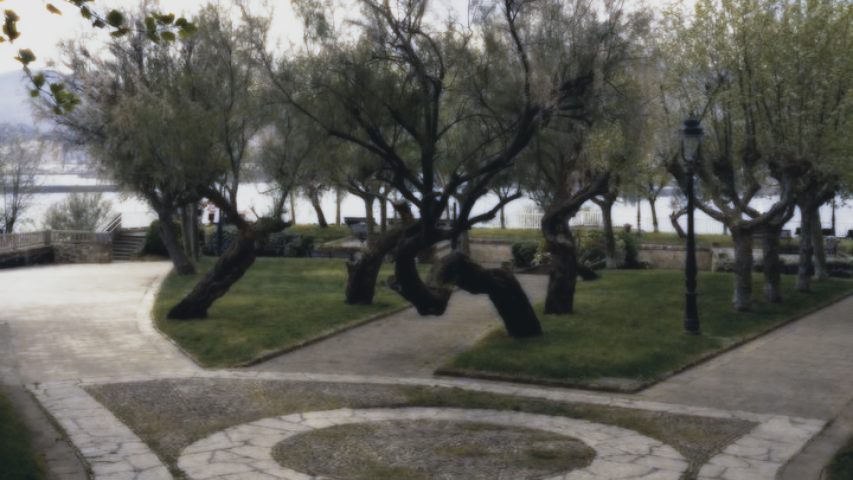
Gasparcolor war ein Dreifarben-Silberfarbbleich-Kopierfilm, Anfang der 1930er in Deutschland eingeführt und vor allem für Animations-, Werbe- und Avantgardefilme verwendet. Seine Farbstoffe lagen schon vor der Belichtung im Film und wurden dort gebleicht, wo Silber entstand. Ashigrains Fassung ist ein gekennzeichnetes Surrogat, ein von der Kopie inspiriertes Modell statt einer Reproduktion.

Geeignet für
- Abstrakte Animation und Werbefilme der 1930er
- Satte, grafische Farben
- Farbbleich- und Farbübertragungskopien im Vergleich
Kopierfilme vergleichen
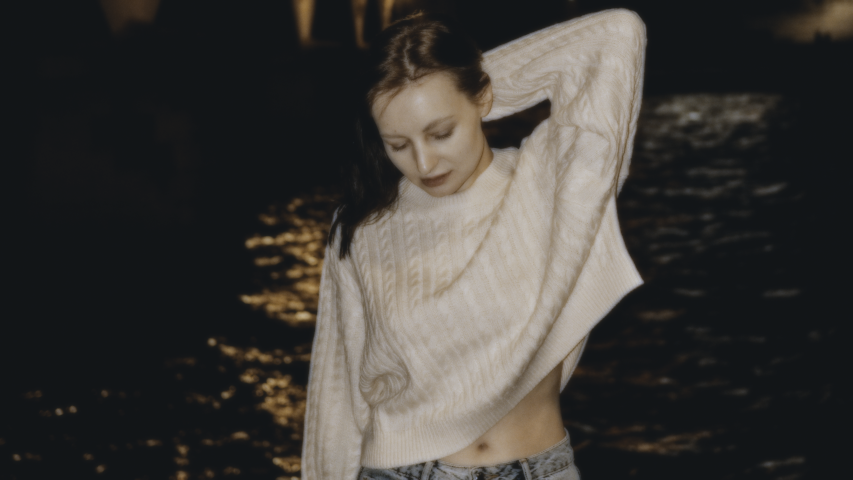
The same Vision3 500T night frame on each print film: how deep the blacks go, how the highlights roll off and how the colour separates.
The same Vision3 500T night frame on each print film: how deep the blacks go, how the highlights roll off and how the colour separates.
The same Vision3 500T night frame on each print film: how deep the blacks go, how the highlights roll off and how the colour separates.
The same Vision3 500T night frame on each print film: how deep the blacks go, how the highlights roll off and how the colour separates.
The same Vision3 500T night frame on each print film: how deep the blacks go, how the highlights roll off and how the colour separates.
The same Vision3 500T night frame on each print film: how deep the blacks go, how the highlights roll off and how the colour separates.
The same Vision3 500T night frame on each print film: how deep the blacks go, how the highlights roll off and how the colour separates.
The same Vision3 500T night frame on each print film: how deep the blacks go, how the highlights roll off and how the colour separates.
The same Vision3 500T night frame on each print film: how deep the blacks go, how the highlights roll off and how the colour separates.
The same Vision3 500T night frame on each print film: how deep the blacks go, how the highlights roll off and how the colour separates.
The same Vision3 500T night frame on each print film: how deep the blacks go, how the highlights roll off and how the colour separates.
The same Vision3 500T night frame on each print film: how deep the blacks go, how the highlights roll off and how the colour separates.
The same Vision3 500T night frame on each print film: how deep the blacks go, how the highlights roll off and how the colour separates.
The same Vision3 500T night frame on each print film. On this two-colour print (a labelled surrogate) every colour falls between blue-green and red-orange: how deep the blacks go, how the highlights roll off and which lights keep their hue.
The same Vision3 500T night frame on each print film: how deep the blacks go, how the highlights roll off and how the colour separates.
The same Vision3 500T night frame on each print film: how deep the blacks go, how the highlights roll off and how the colour separates.
The same Vision3 500T night frame on each print film: how deep the blacks go, how the highlights roll off and how the colour separates.
The same Vision3 500T night frame on each print film: how deep the blacks go, how the highlights roll off and how the colour separates.
The same Vision3 500T night frame on each print film: how deep the blacks go, how the highlights roll off and how the colour separates.
The same Vision3 500T night frame on each print film: how deep the blacks go, how the highlights roll off and how the colour separates.
The same Vision3 500T night frame on each print film: how deep the blacks go, how the highlights roll off and how the colour separates.
The same Vision3 500T night frame on each print film: how deep the blacks go, how the highlights roll off and how the colour separates.
The same Vision3 500T night frame on each print film: how deep the blacks go, how the highlights roll off and how the colour separates.
The same Vision3 500T night frame on each print film: how deep the blacks go, how the highlights roll off and how the colour separates.
The same Vision3 500T night frame on each print film. On this blue-sensitive black-and-white print the colour negative turns grey: how deep the blacks go, how the highlights roll off and how dark the reds and greens print.
The same Vision3 500T night frame on each print film: how deep the blacks go, how the highlights roll off and how the colour separates.
The same Vision3 500T night frame on each print film. On this blue-sensitive black-and-white print the colour negative turns grey: how deep the blacks go, how the highlights roll off and how dark the red neon and skin print.
The same Vision3 500T night frame on each print film: how deep the blacks go, how the highlights roll off and how the colour separates.
The same Vision3 500T night frame on each print film. On this black-and-white print the colour negative turns grey: how deep the blacks go, how the highlights roll off and how the coloured lights and skin translate to grey.
The same Vision3 500T night frame on each print film. On this blue-sensitive black-and-white print the colour negative turns grey: how deep the blacks go, how the highlights roll off and how the coloured lights and skin translate to grey.
The same Vision3 500T night frame on each print film: how deep the blacks go, how the highlights roll off and how the colour separates.
The same Vision3 500T night frame on each print film: how deep the blacks go, how the highlights roll off and how the colour separates.
The same Vision3 500T night frame on each print film: how deep the blacks go, how the highlights roll off and how the colour separates.
The same Vision3 500T night frame on each print film: how deep the blacks go, how the highlights roll off and how the colour separates.
The same Vision3 500T night frame on each print film: how deep the blacks go, how the highlights roll off and how the colour separates.
The same Vision3 500T night frame on each print film. On this two-colour print (a labelled surrogate) every colour falls between a blue and a red dye: how deep the blacks go, how the highlights roll off and which lights keep their hue.
The same Vision3 500T night frame on each print film: how deep the blacks go, how the highlights roll off and how the colour separates.
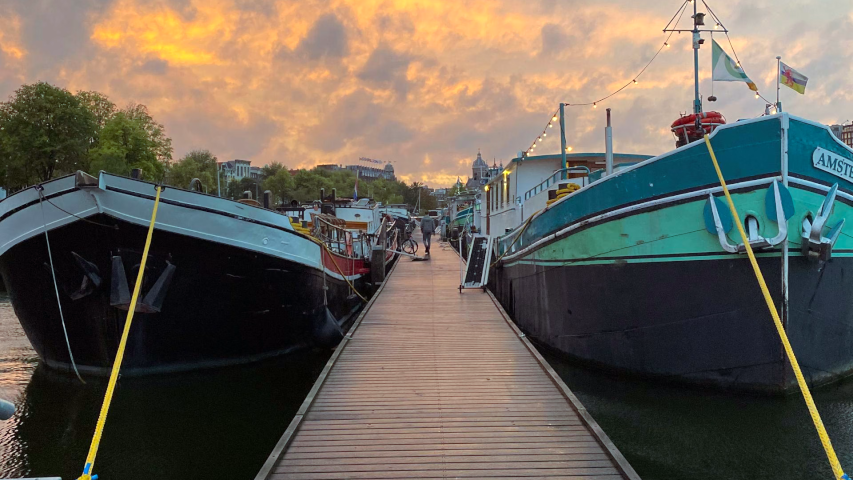
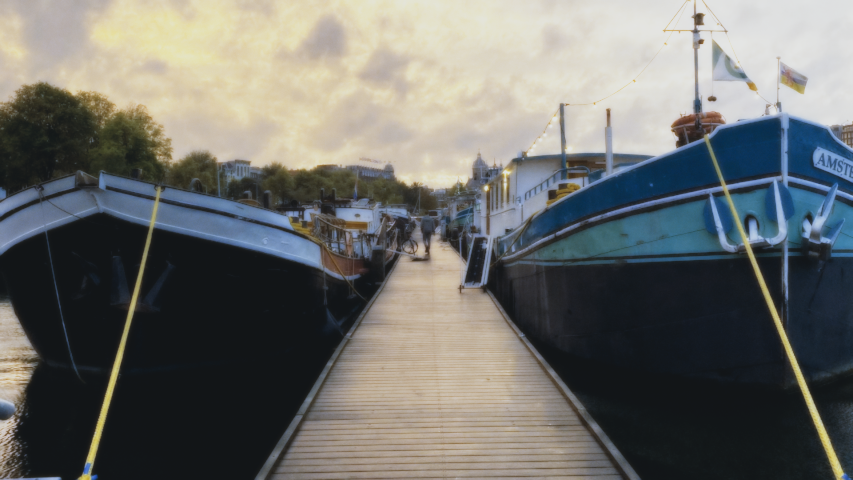
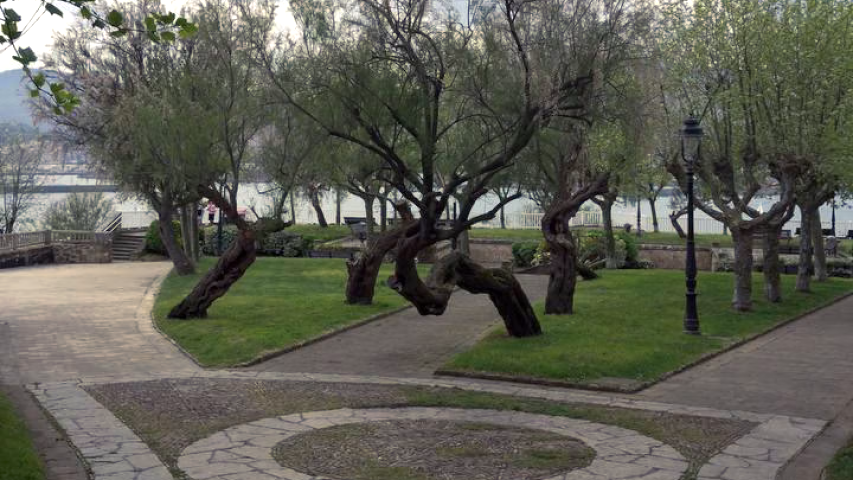
Dasselbe Nachtbild auf Kodak Vision3 500T, auf jeden Printfilm kopiert.
- Kodak Vision Premier Color Print Film 2393
- Eastman Color SP Print Film 5383
- Eastman Color Print Film 5384
- Fujifilm Eterna-CP 3521XD
- Du Pont Color Release Positive Type 275
- Fujifilm Eterna-CP 3523XD
- Kodak Vision Color Print Film 2383
- Fujifilm Eterna-CP 3513DI
- Eastman EXR Color Print Film 5386
- Eastman Color Print Film 5381 (1972)
- Eastman Color Print Film 5385
- Agfa CP30 Colour Print Film
- SuperCinecolor
- Cinecolor (two-colour)
- Gevacolor Positive 953
- Gevacolor Print 9.85
- Gevacolor Print 986
- Gevacolor Print 982
- Ferraniacolor Positive
- 3M Color Positive 650
- Fujicolor Positive F-CP 3510
- Fujicolor Positive F-CP 3519
- Fujifilm Eterna-CP 3512
- Eastman Color Print 5381 (1950)
- Eastman Fine Grain Release Positive 5302
- Ansco Color Print 848
- Kodak B&W Print Film 2302
- Svema TsP-11
- Svema MZ-3
- ORWO PF 2 Positive Print Film
- Technicolor Dye Transfer (1997 revival)
- Svema TsP-8R
- Shostka Colour Positive (1950s)
- Technicolor Dye Transfer (Process IV)
- Gasparcolor Print
- Trucolor Print (two-colour)
- Kodak Vision Color Teleprint Film 2395
Wissenschaft und Quellen

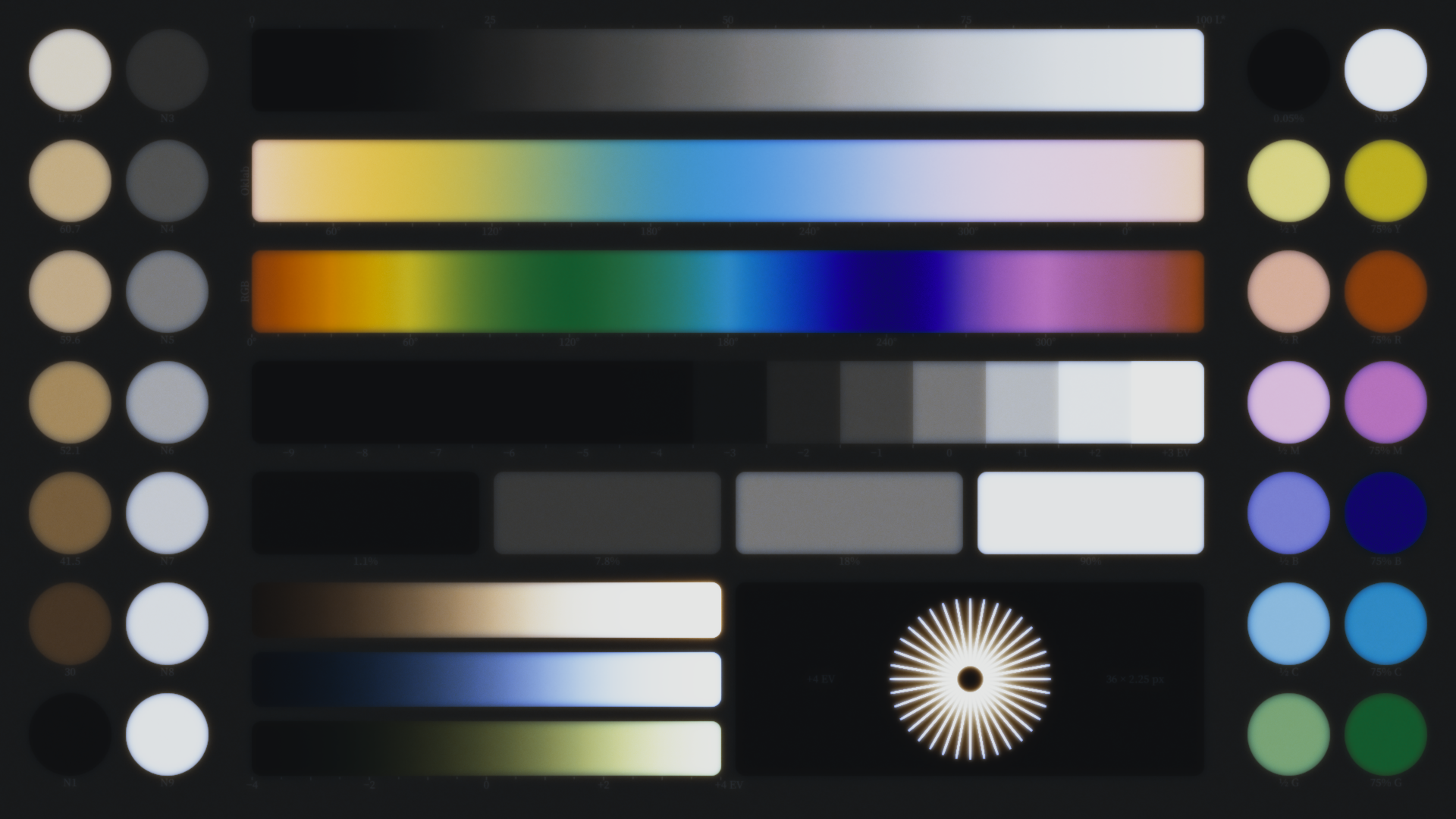
Ein von der Kopie inspiriertes Dreifarbmodell, keine Reproduktion von Gasparcolor, gezeigt nach Agfacolor Typ 432. Es teilt Farbstoffformen und Auszugsempfindlichkeiten mit Ashigrains Gasparcolor-Verfahrensmodell, ihrerseits benannte Annahmen, geleitet von den Farbstoffen, die Friedman 1945 nannte, und seine Kopierkurven sind auf das neutralste Grau abgestimmte Annahmen. Der Farbbleichschritt und die doppelseitige Beschichtung werden nicht simuliert, und für ihn sind weder MTF noch Körnigkeit veröffentlicht.
Kennlinien und Datengrundlage des Modells
Vergleiche Herstellerdaten und Ashigrains Reaktion auf denselben Achsen. Die Kurven zeigen, wie das Modell an seinen Quellen kalibriert ist; sie belegen keine Übereinstimmung mit auf Film aufgenommenen Bildern.
Kennlinienantwort
Modellgrenzen
Diese Bilder zeigen das Filmmodell in Anwendung. Spektralantwort, Licht und Betrachtungsbedingungen enthalten Näherungen. Halation, Bloom, Korngröße, Bildstand und Flackern sind nicht für jeden Film vollständig vermessen. Eine echte Filmaufnahme hängt auch von Entwicklung und Kopierlichtabstimmung ab.
- Dies ist ein von der Gasparcolor-Kopie inspiriertes Dreifarbmodell, keine Reproduktion davon. In den Quellen gibt es keine Kennlinie, spektrale Empfindlichkeit, kein Farbstoffspektrum, keine MTF- oder Körnigkeitsmessung einer Gasparcolor-Kopie.
- Farbstoffformen und Auszugsempfindlichkeiten sind die von Ashigrains Gasparcolor-Verfahrensmodell, abgeleitet von den Farbstoffen, die Friedman 1945 nannte (Chicagoblau, Siriusrubin und Chrysophenin), und von benannten Annahmen.
- Die Kopierkurven (Auszugs-Gammas 2.6, 1.8 und 1.9) sind Annahmen, gewählt für das neutralste Grau. Der Farbbleichschritt und die Auszugspositive sind in sie eingerechnet, nicht simuliert.
- Die willkürlichen Kopierlichter, die doppelseitige Beschichtung und die Farbsäume durch aufeinanderfolgende Belichtungen sind erfasst, werden aber nicht modelliert. Für ihn sind weder MTF noch Körnigkeit veröffentlicht.
- Die Quelle gibt keine Spektren von Kopierlampe oder Filtern an. Ihre spektrale Wirkung ist angenähert.
- Modelliertes Projektionsstreulicht hebt die Schwarztöne auf der Leinwand an. Seine Stärke ist angenommen, da die verfügbaren Quellen sie nicht messen. Daraus lässt sich kein gemessener Projektionskontrast ableiten.
Schwarzschildeffekt: nicht modelliert. Die Belichtungszeit hat bei diesem Film keine Wirkung.
Filmleitfaden: Annahmen und praktische Entscheidungen
Diese Vorschau kombiniert den Printfilm mit dem genannten Kameranegativ. Der Print hat in diesem Vergleich keinen eigenen Belichtungsindex und keine separat gemessene Kornantwort.
Quellen
- Reconstructed: FILM ATLAS entry 532: Gasparcolor, Wayback capture 20261019104855 of www.filmatlas.com/entry/532, S. 1
- Process: Timeline of Historical Film Colors: Gasparcolor OR Gaspar Color (entry 1264), live page filmcolors.org/timeline-entry/1264/ as served 2026-10-28, S. 1
Hol diesen Film in dein Grading.
Alle Filme in einem Kauf, ohne Abo.
€199 + VAT