 Ashigrain
Farbkopie · Kopierfilm
Shostka Colour Positive (1950s)
Sowjetische Farbkopien der Agfacolor-Ära.
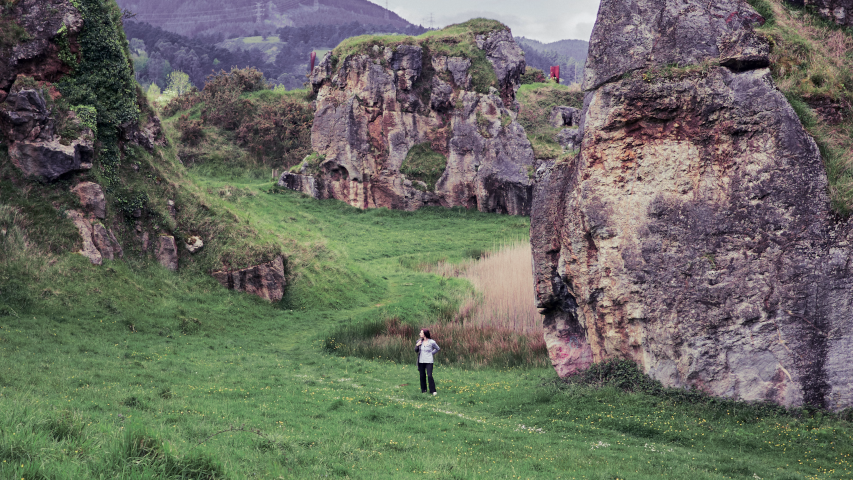
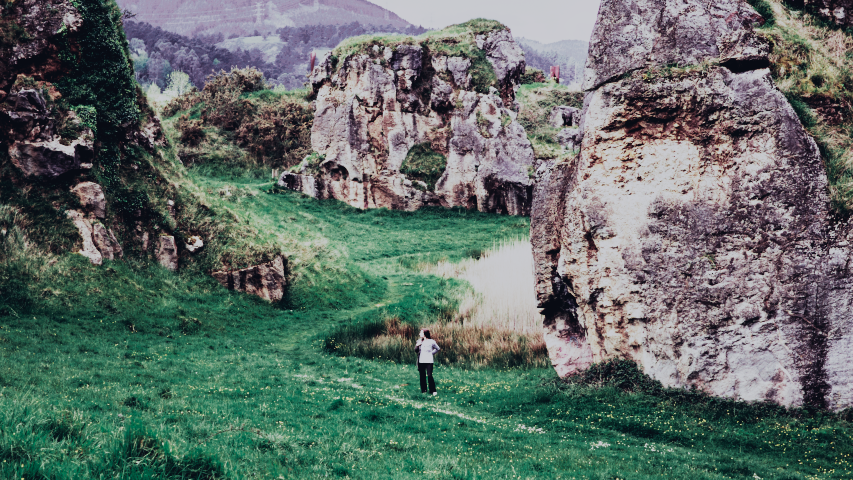
Shostka's 1950s colour positive as a labelled surrogate on TsP-8R's curves and dyes, for Soviet colour features of the 1950s. Original vs Ashigrain.
Auf einen Blick
- Eingeführt
- um 1948
- Prozess
- Soviet colour-positive development (not documented for this era)
- Maximale Dichte
- ≈ 2,8
Über den Film
Ashigrains Shostka-Farbpositiv steht für den Farbkopierfilm der Filmfabrik in Shostka in den Jahren nach dem Zweiten Weltkrieg, doch keine gelesene Quelle nennt eine Sorte davon oder datiert sie.
Die sowjetische Filmproduktion in Shostka begann laut der Großen Sowjetischen Enzyklopädie 1931, und die sowjetische Produktion von Mehrschicht-Farbfilm 1948. Vor dem Krieg hatte Fabrik Nr. 6 in Shostka die Matrizen- und Blankfilme für den sowjetischen Dreifarbendruck hergestellt, schreibt Nikolai Mayorov. Mayorov schreibt, dass Fabrik Nr. 3 in Shostka ab 1947 in Deutschland demontierte Anlagen betrieb und den Farbnegativfilm DS-1 (ДС-1) nach Agfa-Technologie herstellte. Erbeutetes Agfacolor-Material und deutsche Technologie ermöglichten der Sowjetunion das Negativ-Positiv-Farbverfahren, und die meisten sowjetischen Filme der 1950er waren farbig. Bis 1952 hatten die Fabriken Nr. 3 und Nr. 8 das Kunstlichtnegativ LN-2 (ЛН-2) entwickelt, und Nr. 3 hatte mit dem Tageslichtnegativ DS-2 (ДС-2) begonnen. Das Werk, später als Svema bekannt, stellte danach die Farbpositive TsP-8R und TsP-11 her.
Quellen zu dieser Geschichte
- Николай Майоров. «Цвет советского кино» (2011), Музей ЦСДФ
- Большая советская энциклопедия: Кинопромышленность, booksite.ru
Der Look
Shostkas Farbpositiv der 1950er war ein sowjetischer Kopierfilm aus Fabrik Nr. 3, die ab 1947 Farbfilm nach Agfa-Technologie herstellte. Weder Sortenname noch Kurve davon sind in den Quellen erhalten. Ashigrains Fassung ist ein gekennzeichnetes Surrogat, ein von der Kopie inspiriertes Modell statt einer Reproduktion.




Geeignet für
- Sowjetische Farbfilme der 1950er
- Kopien von Svema-DS-5M-Negativen
- Frühe und späte sowjetische Kopien im Vergleich
Kopierfilme vergleichen
The same Vision3 500T night frame on each print film: how deep the blacks go, how the highlights roll off and how the colour separates.
The same Vision3 500T night frame on each print film: how deep the blacks go, how the highlights roll off and how the colour separates.
The same Vision3 500T night frame on each print film: how deep the blacks go, how the highlights roll off and how the colour separates.
The same Vision3 500T night frame on each print film: how deep the blacks go, how the highlights roll off and how the colour separates.
The same Vision3 500T night frame on each print film: how deep the blacks go, how the highlights roll off and how the colour separates.
The same Vision3 500T night frame on each print film: how deep the blacks go, how the highlights roll off and how the colour separates.
The same Vision3 500T night frame on each print film: how deep the blacks go, how the highlights roll off and how the colour separates.
The same Vision3 500T night frame on each print film: how deep the blacks go, how the highlights roll off and how the colour separates.
The same Vision3 500T night frame on each print film: how deep the blacks go, how the highlights roll off and how the colour separates.
The same Vision3 500T night frame on each print film: how deep the blacks go, how the highlights roll off and how the colour separates.
The same Vision3 500T night frame on each print film: how deep the blacks go, how the highlights roll off and how the colour separates.
The same Vision3 500T night frame on each print film: how deep the blacks go, how the highlights roll off and how the colour separates.
The same Vision3 500T night frame on each print film: how deep the blacks go, how the highlights roll off and how the colour separates.
The same Vision3 500T night frame on each print film. On this two-colour print (a labelled surrogate) every colour falls between blue-green and red-orange: how deep the blacks go, how the highlights roll off and which lights keep their hue.
The same Vision3 500T night frame on each print film: how deep the blacks go, how the highlights roll off and how the colour separates.
The same Vision3 500T night frame on each print film: how deep the blacks go, how the highlights roll off and how the colour separates.
The same Vision3 500T night frame on each print film: how deep the blacks go, how the highlights roll off and how the colour separates.
The same Vision3 500T night frame on each print film: how deep the blacks go, how the highlights roll off and how the colour separates.
The same Vision3 500T night frame on each print film: how deep the blacks go, how the highlights roll off and how the colour separates.
The same Vision3 500T night frame on each print film: how deep the blacks go, how the highlights roll off and how the colour separates.
The same Vision3 500T night frame on each print film: how deep the blacks go, how the highlights roll off and how the colour separates.
The same Vision3 500T night frame on each print film: how deep the blacks go, how the highlights roll off and how the colour separates.
The same Vision3 500T night frame on each print film: how deep the blacks go, how the highlights roll off and how the colour separates.
The same Vision3 500T night frame on each print film: how deep the blacks go, how the highlights roll off and how the colour separates.
The same Vision3 500T night frame on each print film. On this blue-sensitive black-and-white print the colour negative turns grey: how deep the blacks go, how the highlights roll off and how dark the reds and greens print.
The same Vision3 500T night frame on each print film: how deep the blacks go, how the highlights roll off and how the colour separates.
The same Vision3 500T night frame on each print film. On this blue-sensitive black-and-white print the colour negative turns grey: how deep the blacks go, how the highlights roll off and how dark the red neon and skin print.
The same Vision3 500T night frame on each print film: how deep the blacks go, how the highlights roll off and how the colour separates.
The same Vision3 500T night frame on each print film. On this black-and-white print the colour negative turns grey: how deep the blacks go, how the highlights roll off and how the coloured lights and skin translate to grey.
The same Vision3 500T night frame on each print film. On this blue-sensitive black-and-white print the colour negative turns grey: how deep the blacks go, how the highlights roll off and how the coloured lights and skin translate to grey.
The same Vision3 500T night frame on each print film: how deep the blacks go, how the highlights roll off and how the colour separates.
The same Vision3 500T night frame on each print film: how deep the blacks go, how the highlights roll off and how the colour separates.
The same Vision3 500T night frame on each print film: how deep the blacks go, how the highlights roll off and how the colour separates.
The same Vision3 500T night frame on each print film: how deep the blacks go, how the highlights roll off and how the colour separates.
The same Vision3 500T night frame on each print film: how deep the blacks go, how the highlights roll off and how the colour separates.
The same Vision3 500T night frame on each print film. On this two-colour print (a labelled surrogate) every colour falls between a blue and a red dye: how deep the blacks go, how the highlights roll off and which lights keep their hue.
The same Vision3 500T night frame on each print film: how deep the blacks go, how the highlights roll off and how the colour separates.
Dasselbe Nachtbild auf Kodak Vision3 500T, auf jeden Printfilm kopiert.
- Kodak Vision Premier Color Print Film 2393
- Eastman Color SP Print Film 5383
- Eastman Color Print Film 5384
- Fujifilm Eterna-CP 3521XD
- Du Pont Color Release Positive Type 275
- Fujifilm Eterna-CP 3523XD
- Kodak Vision Color Print Film 2383
- Fujifilm Eterna-CP 3513DI
- Eastman EXR Color Print Film 5386
- Eastman Color Print Film 5381 (1972)
- Eastman Color Print Film 5385
- Agfa CP30 Colour Print Film
- SuperCinecolor
- Cinecolor (two-colour)
- Gevacolor Positive 953
- Gevacolor Print 9.85
- Gevacolor Print 986
- Gevacolor Print 982
- Ferraniacolor Positive
- 3M Color Positive 650
- Fujicolor Positive F-CP 3510
- Fujicolor Positive F-CP 3519
- Fujifilm Eterna-CP 3512
- Eastman Color Print 5381 (1950)
- Eastman Fine Grain Release Positive 5302
- Ansco Color Print 848
- Kodak B&W Print Film 2302
- Svema TsP-11
- Svema MZ-3
- ORWO PF 2 Positive Print Film
- Technicolor Dye Transfer (1997 revival)
- Svema TsP-8R
- Shostka Colour Positive (1950s)
- Technicolor Dye Transfer (Process IV)
- Gasparcolor Print
- Trucolor Print (two-colour)
- Kodak Vision Color Teleprint Film 2395
Wissenschaft und Quellen

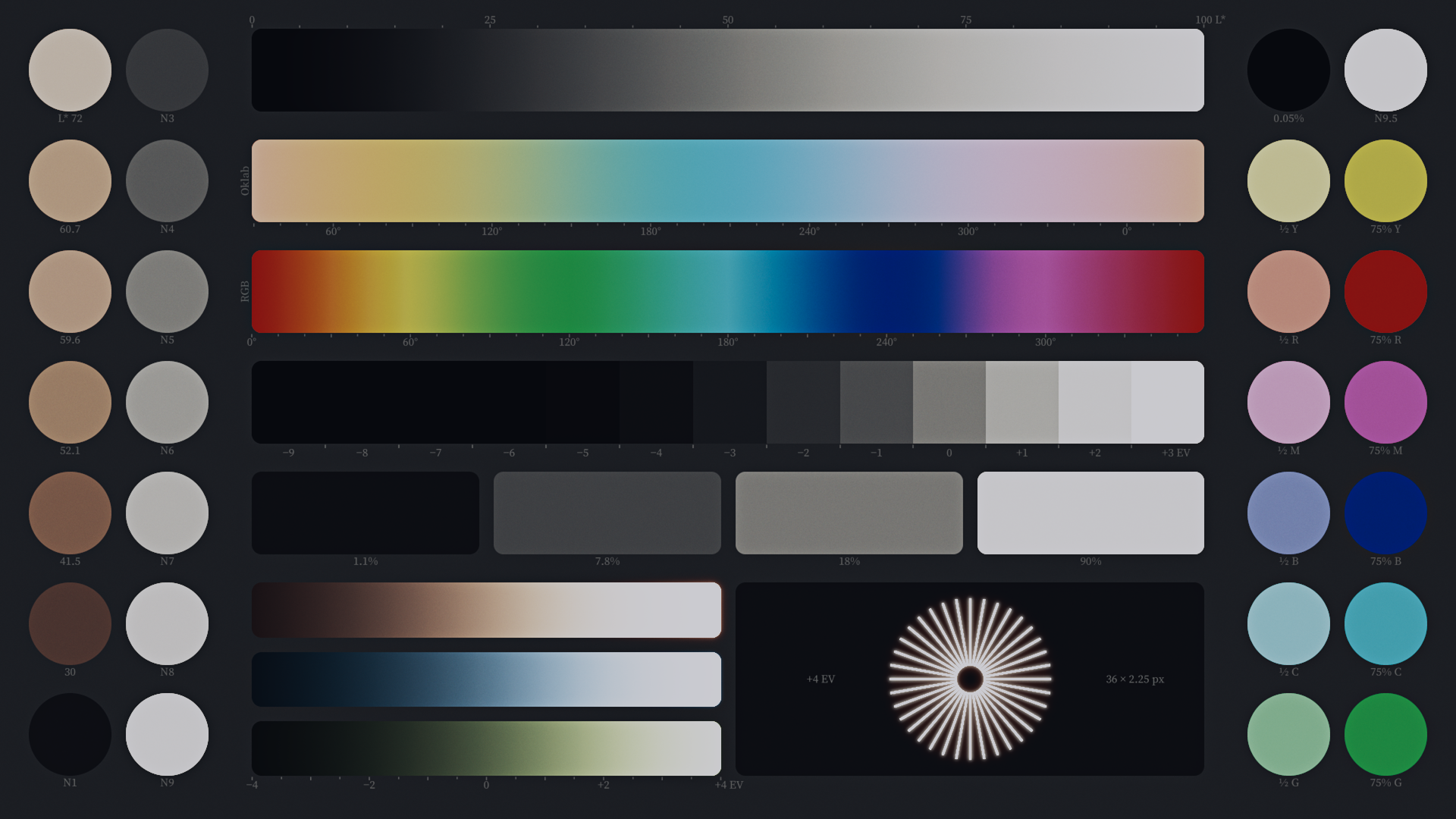
Ein gekennzeichnetes Surrogat, inspiriert von der Kopie, keine Reproduktion davon, gezeigt nach Svema DS-5M. Von einem Shostka-Farbpositiv der 1950er sind kein Sortenname, keine Kurve und keine Farbstoffdaten registriert: Kennlinien, spektrale Empfindlichkeit und Farbstoffe sind die von Svema TsP-8R, dem späteren Farbpositiv desselben Werks, einem Ersatz, unverändert.
Der folgende Markenhinweis wird auf Englisch angegeben.
Svema is named only to identify the film; its trademarks belong to their respective owners, whose identity is unknown.
Kennlinien und Datengrundlage des Modells
Vergleiche Herstellerdaten und Ashigrains Reaktion auf denselben Achsen. Die Kurven zeigen, wie das Modell an seinen Quellen kalibriert ist; sie belegen keine Übereinstimmung mit auf Film aufgenommenen Bildern.
Kennlinienantwort
Modellgrenzen
Diese Bilder zeigen das Filmmodell in Anwendung. Spektralantwort, Licht und Betrachtungsbedingungen enthalten Näherungen. Halation, Bloom, Korngröße, Bildstand und Flackern sind nicht für jeden Film vollständig vermessen. Eine echte Filmaufnahme hängt auch von Entwicklung und Kopierlichtabstimmung ab.
- Dies ist ein gekennzeichnetes Surrogat eines Shostka-Farbpositivs der 1950er, keine Reproduktion eines dokumentierten Films. Weder Sortenname, Datum, Kurve noch Farbstoff davon stehen in einer registrierten Quelle.
- Kennlinien, spektrale Empfindlichkeit und Farbstoffe sind die von Свема ЦП-8Р, dem späteren Farbpositiv desselben Werks, einem Ersatz, unverändert.
- Epoche, Prozess und Kopierlicht-Abstimmung sind Annahmen und werden nicht modelliert.
- Das Neutralziel ist das angenommene graubalancierte Ziel des Ersatzes (0.890 / 0.905 / 1.080, Status A); es ist kein Laborziel veröffentlicht.
- Die Quelle gibt keine Spektren von Kopierlampe oder Filtern an. Ihre spektrale Wirkung ist angenähert.
- Modelliertes Projektionsstreulicht hebt die Schwarztöne auf der Leinwand an. Seine Stärke ist angenommen, da die verfügbaren Quellen sie nicht messen. Daraus lässt sich kein gemessener Projektionskontrast ableiten.
Schwarzschildeffekt: nicht modelliert. Die Belichtungszeit hat bei diesem Film keine Wirkung.
Filmleitfaden: Annahmen und praktische Entscheidungen
Diese Vorschau kombiniert den Printfilm mit dem genannten Kameranegativ. Der Print hat in diesem Vergleich keinen eigenen Belichtungsindex und keine separat gemessene Kornantwort.
Quellen
- Reconstructed: Гордийчук И. Б., Пелль В. Г. Справочник кинооператора (1979), 1979 edition, S. 189
Hol diesen Film in dein Grading.
Alle Filme in einem Kauf, ohne Abo.
€199 + VAT