 Ashigrain
Positiva in bianco e nero · Pellicole positive
Svema MZ-3
Свема МЗ-3
Positivo sovietico in bianco e nero per le copie di massa.
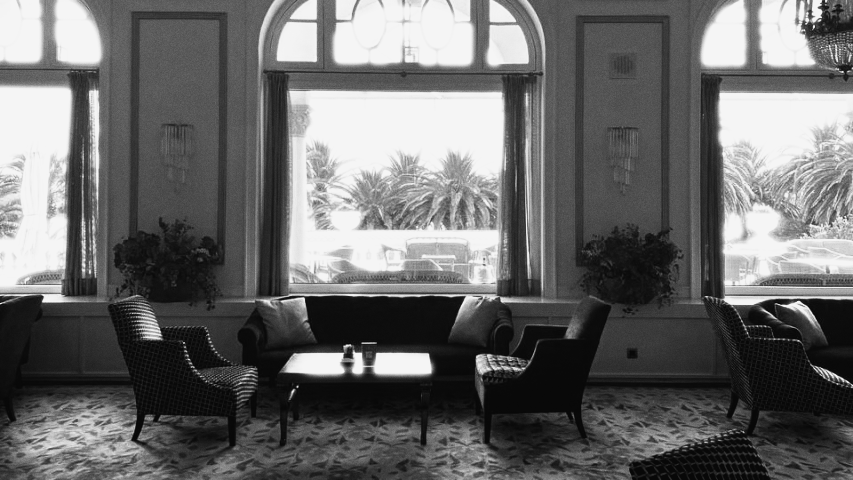
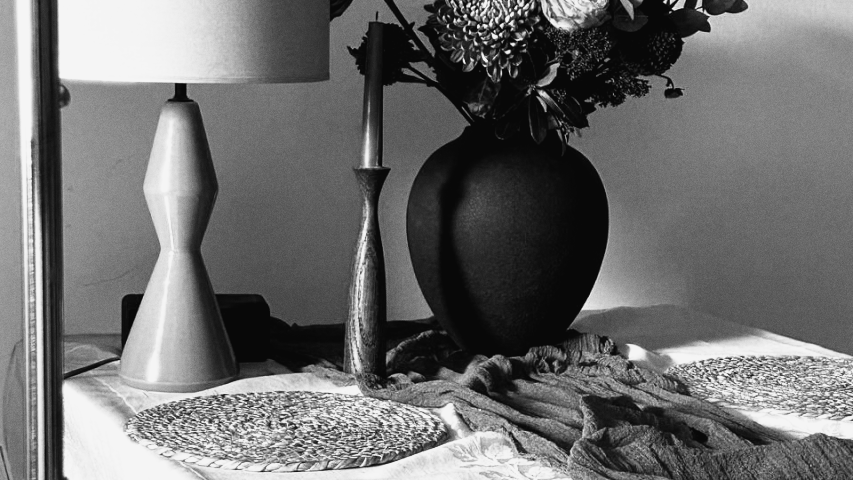
The Soviet mass-release black-and-white positive, reconstructed from handbook figures at a gamma of 2.6: neutral image tone on a ruined-city exterior. Original vs Ashigrain.
In sintesi
- Introduzione
- già nel 1979
- Processo
- ГОСТ 10691.3-84 developer No. 6, 2-4 min
- Densità massima
- ≈ 3,0
Sulla pellicola
Svema MZ-3 (Свема МЗ-3) era una pellicola positiva in bianco e nero sovietica per la stampa di massa e corrente delle copie dei lungometraggi.
Un manuale per direttori della fotografia del 1979 la descrive e ne sottolinea la buona nitidezza, la grana fine e il tono d’immagine neutro. Il manuale indica una sensibilità da 2.8 a 5.5 unità GOST, un contrasto di 2.6 e un potere risolvente di almeno 108 linee per millimetro. Era prodotta in 35 mm e 70 mm e in pellicola da 32 mm con due strisce da 16 mm o quattro da 8 mm, e la variante MZ-3M, con perforazione panoramica e quattro piste sonore magnetiche, ne condivideva le proprietà fotografiche. Un libro di testo del 1980 elenca MZ-3 e MZ-3M tra le pellicole positive in bianco e nero nazionali. Un manuale del 1990 indica un velo al massimo di 0.04 e una densità massima di almeno 3.0 dopo 4 minuti di sviluppo, con un contrasto più alto, da 2.9 a 3.1. Per essa non è indicata alcuna sensibilizzazione, e il manuale del 1990 osserva che l’alogenuro d’argento non sensibilizzato risponde solo alla luce sotto circa 500 nm.
Fonti di questa storia
- Гордийчук И. Б., Пелль В. Г. Справочник кинооператора (1979), Internet Archive
- Иофис Е. А. Кинофотопроцессы и материалы (1980), Internet Archive
- Журба Ю. И. Краткий справочник по фотографическим процессам и материалам (1990), djvu.online
Il look
Svema MZ-3 era una pellicola da stampa in bianco e nero sovietica per la stampa di massa delle copie dei lungometraggi, documentata dal 1979. Un manuale del 1979 ne sottolinea la buona nitidezza, la grana fine e il tono d’immagine neutro. Ashigrain la ricostruisce dai valori dei manuali, con una forma di sensibilità presa in prestito da Kodak 5302.




Ideale per
- Stampare negativi Tasma NK-2
- Look da copia di distribuzione sovietica in bianco e nero
- Confrontare MZ-3 con Kodak 2302
Confronta le pellicole positive
The same Vision3 500T night frame on each print film: how deep the blacks go, how the highlights roll off and how the colour separates.
The same Vision3 500T night frame on each print film: how deep the blacks go, how the highlights roll off and how the colour separates.
The same Vision3 500T night frame on each print film: how deep the blacks go, how the highlights roll off and how the colour separates.
The same Vision3 500T night frame on each print film: how deep the blacks go, how the highlights roll off and how the colour separates.
The same Vision3 500T night frame on each print film: how deep the blacks go, how the highlights roll off and how the colour separates.
The same Vision3 500T night frame on each print film: how deep the blacks go, how the highlights roll off and how the colour separates.
The same Vision3 500T night frame on each print film: how deep the blacks go, how the highlights roll off and how the colour separates.
The same Vision3 500T night frame on each print film: how deep the blacks go, how the highlights roll off and how the colour separates.
The same Vision3 500T night frame on each print film: how deep the blacks go, how the highlights roll off and how the colour separates.
The same Vision3 500T night frame on each print film: how deep the blacks go, how the highlights roll off and how the colour separates.
The same Vision3 500T night frame on each print film: how deep the blacks go, how the highlights roll off and how the colour separates.
The same Vision3 500T night frame on each print film: how deep the blacks go, how the highlights roll off and how the colour separates.
The same Vision3 500T night frame on each print film: how deep the blacks go, how the highlights roll off and how the colour separates.
The same Vision3 500T night frame on each print film. On this two-colour print (a labelled surrogate) every colour falls between blue-green and red-orange: how deep the blacks go, how the highlights roll off and which lights keep their hue.
The same Vision3 500T night frame on each print film: how deep the blacks go, how the highlights roll off and how the colour separates.
The same Vision3 500T night frame on each print film: how deep the blacks go, how the highlights roll off and how the colour separates.
The same Vision3 500T night frame on each print film: how deep the blacks go, how the highlights roll off and how the colour separates.
The same Vision3 500T night frame on each print film: how deep the blacks go, how the highlights roll off and how the colour separates.
The same Vision3 500T night frame on each print film: how deep the blacks go, how the highlights roll off and how the colour separates.
The same Vision3 500T night frame on each print film: how deep the blacks go, how the highlights roll off and how the colour separates.
The same Vision3 500T night frame on each print film: how deep the blacks go, how the highlights roll off and how the colour separates.
The same Vision3 500T night frame on each print film: how deep the blacks go, how the highlights roll off and how the colour separates.
The same Vision3 500T night frame on each print film: how deep the blacks go, how the highlights roll off and how the colour separates.
The same Vision3 500T night frame on each print film: how deep the blacks go, how the highlights roll off and how the colour separates.
The same Vision3 500T night frame on each print film. On this blue-sensitive black-and-white print the colour negative turns grey: how deep the blacks go, how the highlights roll off and how dark the reds and greens print.
The same Vision3 500T night frame on each print film: how deep the blacks go, how the highlights roll off and how the colour separates.
The same Vision3 500T night frame on each print film. On this blue-sensitive black-and-white print the colour negative turns grey: how deep the blacks go, how the highlights roll off and how dark the red neon and skin print.
The same Vision3 500T night frame on each print film: how deep the blacks go, how the highlights roll off and how the colour separates.
The same Vision3 500T night frame on each print film. On this black-and-white print the colour negative turns grey: how deep the blacks go, how the highlights roll off and how the coloured lights and skin translate to grey.
The same Vision3 500T night frame on each print film. On this blue-sensitive black-and-white print the colour negative turns grey: how deep the blacks go, how the highlights roll off and how the coloured lights and skin translate to grey.
The same Vision3 500T night frame on each print film: how deep the blacks go, how the highlights roll off and how the colour separates.
The same Vision3 500T night frame on each print film: how deep the blacks go, how the highlights roll off and how the colour separates.
The same Vision3 500T night frame on each print film: how deep the blacks go, how the highlights roll off and how the colour separates.
The same Vision3 500T night frame on each print film: how deep the blacks go, how the highlights roll off and how the colour separates.
The same Vision3 500T night frame on each print film: how deep the blacks go, how the highlights roll off and how the colour separates.
The same Vision3 500T night frame on each print film. On this two-colour print (a labelled surrogate) every colour falls between a blue and a red dye: how deep the blacks go, how the highlights roll off and which lights keep their hue.
The same Vision3 500T night frame on each print film: how deep the blacks go, how the highlights roll off and how the colour separates.
Lo stesso fotogramma notturno su Kodak Vision3 500T, stampato su ogni positivo.
- Kodak Vision Premier Color Print Film 2393
- Eastman Color SP Print Film 5383
- Eastman Color Print Film 5384
- Fujifilm Eterna-CP 3521XD
- Du Pont Color Release Positive Type 275
- Fujifilm Eterna-CP 3523XD
- Kodak Vision Color Print Film 2383
- Fujifilm Eterna-CP 3513DI
- Eastman EXR Color Print Film 5386
- Eastman Color Print Film 5381 (1972)
- Eastman Color Print Film 5385
- Agfa CP30 Colour Print Film
- SuperCinecolor
- Cinecolor (two-colour)
- Gevacolor Positive 953
- Gevacolor Print 9.85
- Gevacolor Print 986
- Gevacolor Print 982
- Ferraniacolor Positive
- 3M Color Positive 650
- Fujicolor Positive F-CP 3510
- Fujicolor Positive F-CP 3519
- Fujifilm Eterna-CP 3512
- Eastman Color Print 5381 (1950)
- Eastman Fine Grain Release Positive 5302
- Ansco Color Print 848
- Kodak B&W Print Film 2302
- Svema TsP-11
- Svema MZ-3
- ORWO PF 2 Positive Print Film
- Technicolor Dye Transfer (1997 revival)
- Svema TsP-8R
- Shostka Colour Positive (1950s)
- Technicolor Dye Transfer (Process IV)
- Gasparcolor Print
- Trucolor Print (two-colour)
- Kodak Vision Color Teleprint Film 2395
Scienza e fonti

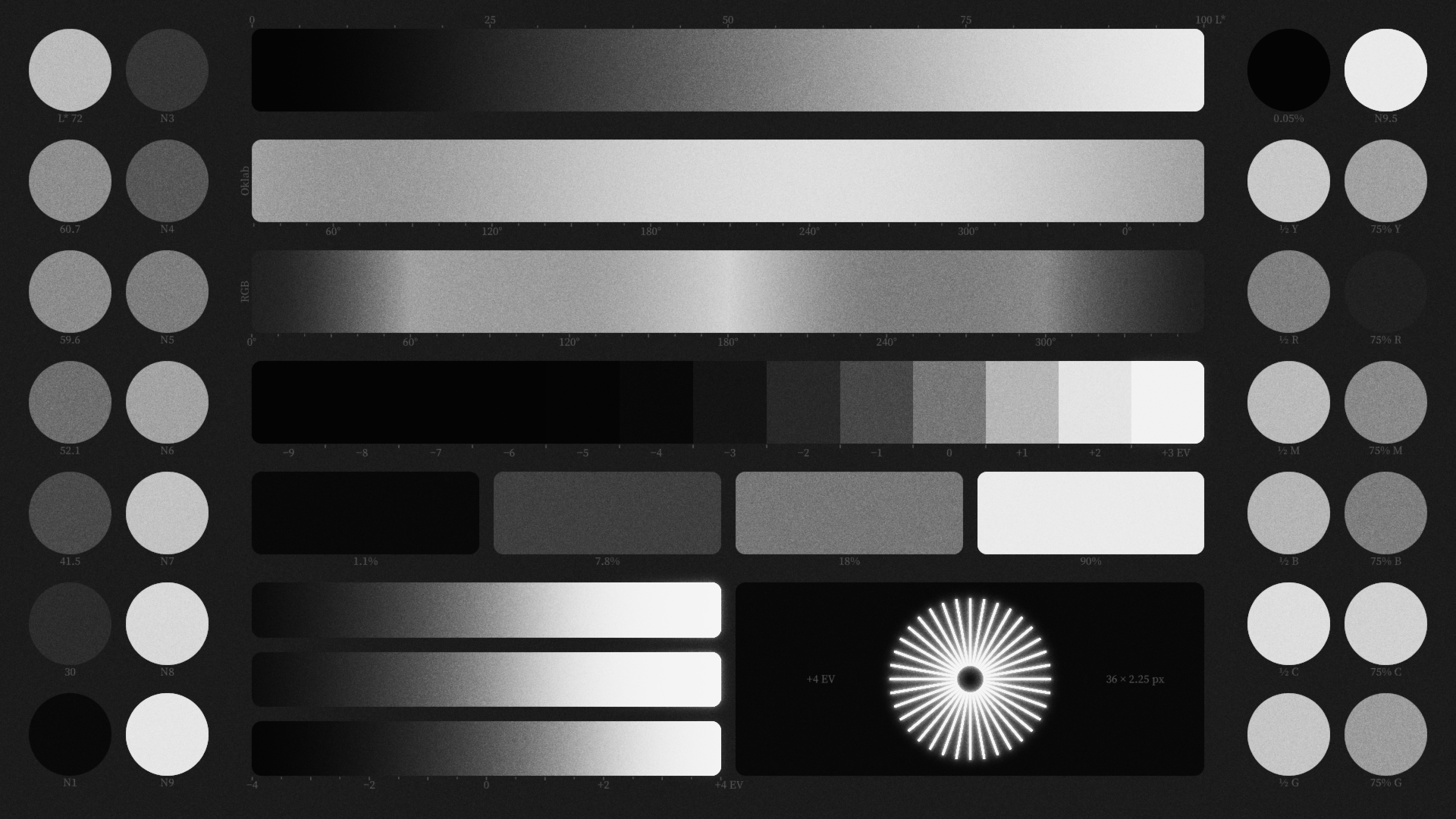
Una pellicola da stampa in bianco e nero sovietica, mostrata dopo Tasma NK-2. Di MZ-3 non è pubblicata alcuna curva: la curva caratteristica è ricostruita dai valori dei manuali, e la sensibilità al solo blu prende la forma da Eastman Fine Grain Release Positive 5302, un sostituto, con un bordo ipotizzato a 480 nm.
La seguente nota sui marchi è fornita in inglese.
Svema is named only to identify the film; its trademarks belong to their respective owners, whose identity is unknown.
Curve di risposta e basi del modello
Confronta i dati del produttore con la risposta di Ashigrain sugli stessi assi. Queste curve mostrano come il modello è calibrato sulle fonti; non dimostrano una corrispondenza con immagini riprese su pellicola.
Risposta caratteristica
Limiti del modello
Queste immagini mostrano il modello di pellicola in uso. Risposta spettrale, luce e condizioni di visione includono approssimazioni; aloni, bagliore, dimensione della grana, instabilità e sfarfallio non sono misurati completamente per ogni film. Una ripresa reale dipende anche dallo sviluppo e dal bilanciamento della stampa.
- Di Свема МЗ-3 non è pubblicata alcuna curva. La sua curva caratteristica è ricostruita da manuali sovietici (Гордийчук & Пелль 1979; Журба 1990), non digitalizzata da una scheda tecnica.
- Le fonti divergono sul contrasto (2.6 nel 1979; 2.9–3.1 con sviluppo di 4 minuti nel 1990); il modello usa 2.6.
- Non è stampato alcun limite di sensibilizzazione. La sensibilità al solo blu prende il picco da Eastman Fine Grain Release Positive 5302, un sostituto, e il suo bordo a onde lunghe a 480 nm è un’ipotesi.
- L’immagine d’argento non ha un grafico dei coloranti ed è considerata spettralmente neutra.
- Non sono stampate né MTF né granularità; è registrato solo un potere risolvente di almeno 108 linee/mm.
- La fonte non fornisce spettri di lampada o filtro della stampatrice. La correzione luci della copia in bianco e nero è modellata.
Reciprocità: non modellata. Il tempo di esposizione non ha effetto su questa pellicola.
Guida alle pellicole: ipotesi e scelte pratiche
Fonti
- Reconstructed: Гордийчук И. Б., Пелль В. Г. Справочник кинооператора (1979), 1979 edition, p. 192
- Process: Журба Ю. И. Краткий справочник по фотографическим процессам и материалам (1990), 1990 edition, p. 91
Porta questa pellicola nella tua correzione colore.
Tutte le pellicole in un unico acquisto, senza abbonamento.
€199 + VAT