 Ashigrain
Positiva a colori · Pellicole positive
Cinecolor (two-colour)
Le copie bicolori Cinecolor per cortometraggi e cartoni.
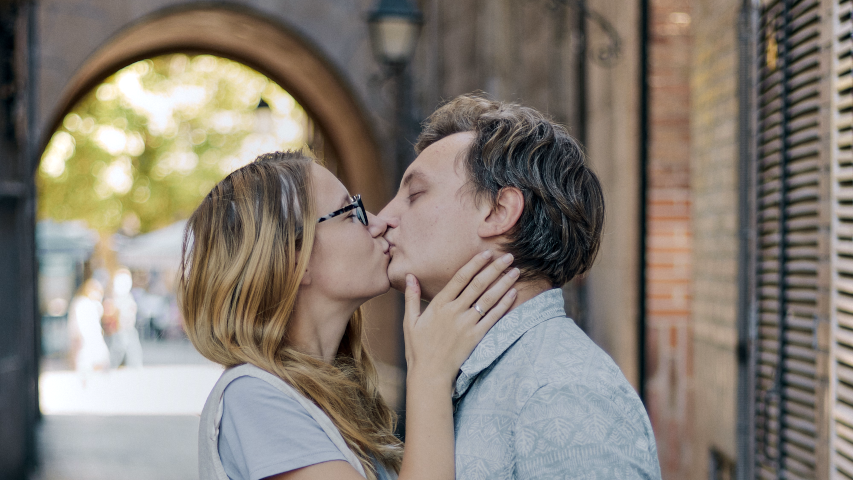
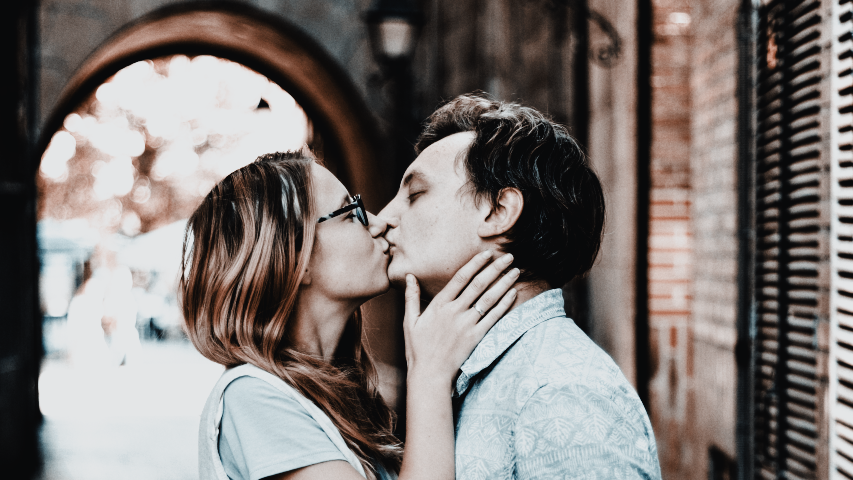
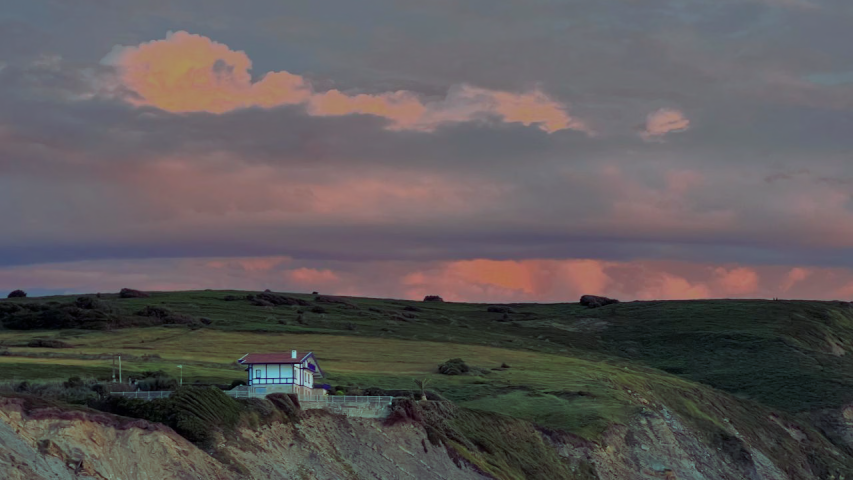
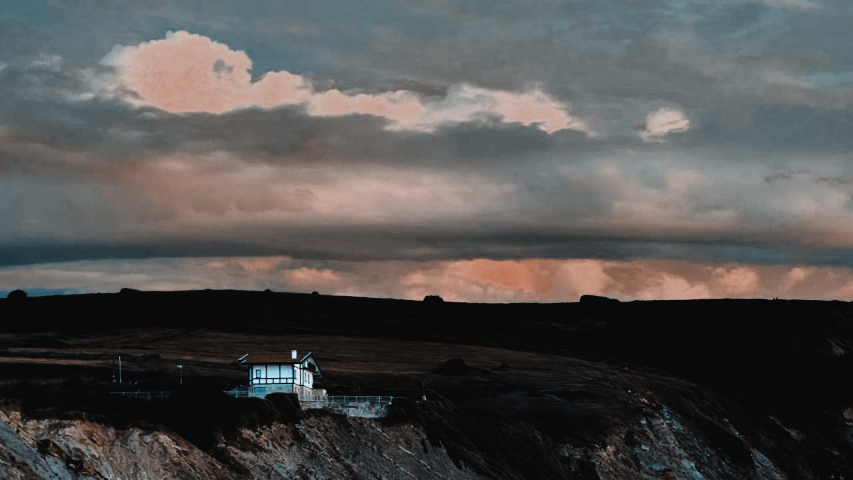
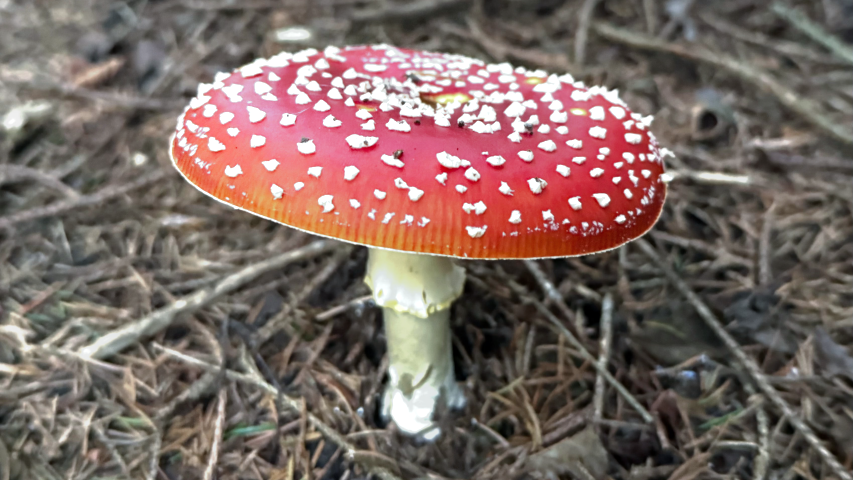
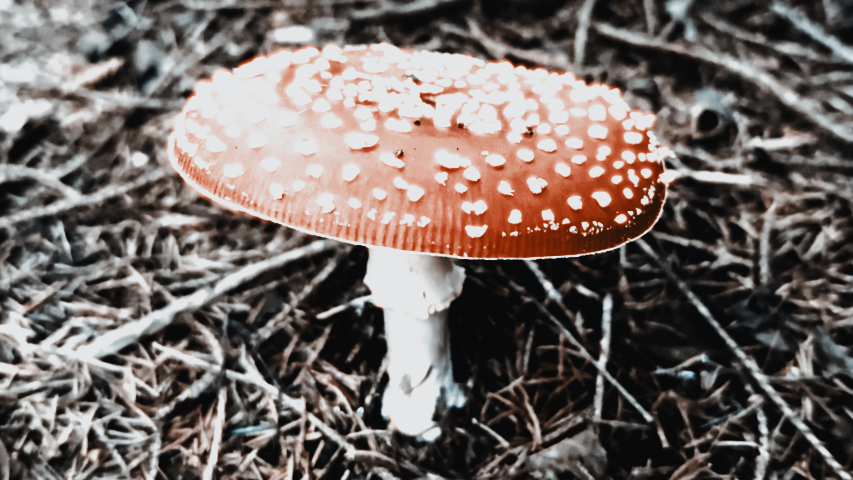
A labelled surrogate of two-colour Cinecolor: only a blue-green and an orange-red image, so blues reproduce as blue-greens. Original vs Ashigrain.
In sintesi
- Introduzione
- 1932
- Fuori produzione
- Processo
- Cinecolor two-colour processing (develop, fix and wash the duplitized positive, then colour each record by toning and dyeing)
- Densità massima
- ≈ 4,0
Sulla pellicola
Cinecolor era un procedimento di stampa sottrattivo bicolore, stampato su pellicola a doppia emulsione, spalmata su entrambi i lati.
L’American WideScreen Museum dice che la Cinecolor Corporation nacque nel 1932, e la Timeline of Historical Film Colors attribuisce il procedimento a William Crespinel, la cui domanda di brevetto del 1932 fu ceduta a Cinecolor. Secondo il Museum, Cinecolor rilevò il sistema Multicolor dopo il fallimento di Multicolor e lo usò quasi immutato fino alla fine degli anni Quaranta. Due negativi esposti in bipack registravano le parti rosso-arancio e blu-verde della scena, e una stampatrice a passo stampava una registrazione su ciascun lato del positivo. La registrazione rossa veniva virata al blu-verde con il ferro come blu di Prussia, e quella verde colorata in rosso-arancio con un colorante a mordente. Dal 1932 al 1940 servì soprattutto cortometraggi e cartoni di studi minori, e il suo primo lungometraggio fu The Gentleman from Arizona di Monogram. Tra i clienti successivi ci furono Monogram, PRC, Screen Guild ed Eagle-Lion, e Warner Bros. distribuì diversi cartoni in Cinecolor nel 1948. Il Museum ne nota i limiti, un’immagine proiettata morbida, perché le due registrazioni stavano su lati opposti della pellicola, e una colonna sonora virata al ciano, e il SuperCinecolor a tre colori gli succedette.
Fonti di questa storia
- Cinecolor (subtractive 2 color), Timeline of Historical Film Colors, University of Zurich
- Cinecolor, American WideScreen Museum
- US Patent 2,016,666: Colored photograph and method of making same (1935), W. T. Crespinel
- Cinecolor Three-Color Process (Alan M. Gundelfinger, Journal of the SMPTE 54, January 1950), Society of Motion Picture and Television Engineers
Il look
Cinecolor era un procedimento di stampa bicolore del 1932 che stampava un’immagine blu-verde e una rosso-arancio sui due lati di una pellicola a doppia emulsione. Servì cortometraggi, cartoni animati e lungometraggi di studi minori fino alla fine degli anni Quaranta. La versione di Ashigrain è un sostituto dichiarato, un modello ispirato alla copia e non una riproduzione.
Ideale per
- Cartoni animati e cortometraggi degli anni Quaranta
- Lungometraggi a basso budget degli anni Quaranta
- Confronto tra Cinecolor bicolore e SuperCinecolor
Confronta le pellicole positive
The same Vision3 500T night frame on each print film: how deep the blacks go, how the highlights roll off and how the colour separates.
The same Vision3 500T night frame on each print film: how deep the blacks go, how the highlights roll off and how the colour separates.
The same Vision3 500T night frame on each print film: how deep the blacks go, how the highlights roll off and how the colour separates.
The same Vision3 500T night frame on each print film: how deep the blacks go, how the highlights roll off and how the colour separates.
The same Vision3 500T night frame on each print film: how deep the blacks go, how the highlights roll off and how the colour separates.
The same Vision3 500T night frame on each print film: how deep the blacks go, how the highlights roll off and how the colour separates.
The same Vision3 500T night frame on each print film: how deep the blacks go, how the highlights roll off and how the colour separates.
The same Vision3 500T night frame on each print film: how deep the blacks go, how the highlights roll off and how the colour separates.
The same Vision3 500T night frame on each print film: how deep the blacks go, how the highlights roll off and how the colour separates.
The same Vision3 500T night frame on each print film: how deep the blacks go, how the highlights roll off and how the colour separates.
The same Vision3 500T night frame on each print film: how deep the blacks go, how the highlights roll off and how the colour separates.
The same Vision3 500T night frame on each print film: how deep the blacks go, how the highlights roll off and how the colour separates.
The same Vision3 500T night frame on each print film: how deep the blacks go, how the highlights roll off and how the colour separates.
The same Vision3 500T night frame on each print film. On this two-colour print (a labelled surrogate) every colour falls between blue-green and red-orange: how deep the blacks go, how the highlights roll off and which lights keep their hue.
The same Vision3 500T night frame on each print film: how deep the blacks go, how the highlights roll off and how the colour separates.
The same Vision3 500T night frame on each print film: how deep the blacks go, how the highlights roll off and how the colour separates.
The same Vision3 500T night frame on each print film: how deep the blacks go, how the highlights roll off and how the colour separates.
The same Vision3 500T night frame on each print film: how deep the blacks go, how the highlights roll off and how the colour separates.
The same Vision3 500T night frame on each print film: how deep the blacks go, how the highlights roll off and how the colour separates.
The same Vision3 500T night frame on each print film: how deep the blacks go, how the highlights roll off and how the colour separates.
The same Vision3 500T night frame on each print film: how deep the blacks go, how the highlights roll off and how the colour separates.
The same Vision3 500T night frame on each print film: how deep the blacks go, how the highlights roll off and how the colour separates.
The same Vision3 500T night frame on each print film: how deep the blacks go, how the highlights roll off and how the colour separates.
The same Vision3 500T night frame on each print film: how deep the blacks go, how the highlights roll off and how the colour separates.
The same Vision3 500T night frame on each print film. On this blue-sensitive black-and-white print the colour negative turns grey: how deep the blacks go, how the highlights roll off and how dark the reds and greens print.
The same Vision3 500T night frame on each print film: how deep the blacks go, how the highlights roll off and how the colour separates.
The same Vision3 500T night frame on each print film. On this blue-sensitive black-and-white print the colour negative turns grey: how deep the blacks go, how the highlights roll off and how dark the red neon and skin print.
The same Vision3 500T night frame on each print film: how deep the blacks go, how the highlights roll off and how the colour separates.
The same Vision3 500T night frame on each print film. On this black-and-white print the colour negative turns grey: how deep the blacks go, how the highlights roll off and how the coloured lights and skin translate to grey.
The same Vision3 500T night frame on each print film. On this blue-sensitive black-and-white print the colour negative turns grey: how deep the blacks go, how the highlights roll off and how the coloured lights and skin translate to grey.
The same Vision3 500T night frame on each print film: how deep the blacks go, how the highlights roll off and how the colour separates.
The same Vision3 500T night frame on each print film: how deep the blacks go, how the highlights roll off and how the colour separates.
The same Vision3 500T night frame on each print film: how deep the blacks go, how the highlights roll off and how the colour separates.
The same Vision3 500T night frame on each print film: how deep the blacks go, how the highlights roll off and how the colour separates.
The same Vision3 500T night frame on each print film: how deep the blacks go, how the highlights roll off and how the colour separates.
The same Vision3 500T night frame on each print film. On this two-colour print (a labelled surrogate) every colour falls between a blue and a red dye: how deep the blacks go, how the highlights roll off and which lights keep their hue.
The same Vision3 500T night frame on each print film: how deep the blacks go, how the highlights roll off and how the colour separates.
Lo stesso fotogramma notturno su Kodak Vision3 500T, stampato su ogni positivo.
- Kodak Vision Premier Color Print Film 2393
- Eastman Color SP Print Film 5383
- Eastman Color Print Film 5384
- Fujifilm Eterna-CP 3521XD
- Du Pont Color Release Positive Type 275
- Fujifilm Eterna-CP 3523XD
- Kodak Vision Color Print Film 2383
- Fujifilm Eterna-CP 3513DI
- Eastman EXR Color Print Film 5386
- Eastman Color Print Film 5381 (1972)
- Eastman Color Print Film 5385
- Agfa CP30 Colour Print Film
- SuperCinecolor
- Cinecolor (two-colour)
- Gevacolor Positive 953
- Gevacolor Print 9.85
- Gevacolor Print 986
- Gevacolor Print 982
- Ferraniacolor Positive
- 3M Color Positive 650
- Fujicolor Positive F-CP 3510
- Fujicolor Positive F-CP 3519
- Fujifilm Eterna-CP 3512
- Eastman Color Print 5381 (1950)
- Eastman Fine Grain Release Positive 5302
- Ansco Color Print 848
- Kodak B&W Print Film 2302
- Svema TsP-11
- Svema MZ-3
- ORWO PF 2 Positive Print Film
- Technicolor Dye Transfer (1997 revival)
- Svema TsP-8R
- Shostka Colour Positive (1950s)
- Technicolor Dye Transfer (Process IV)
- Gasparcolor Print
- Trucolor Print (two-colour)
- Kodak Vision Color Teleprint Film 2395
Scienza e fonti

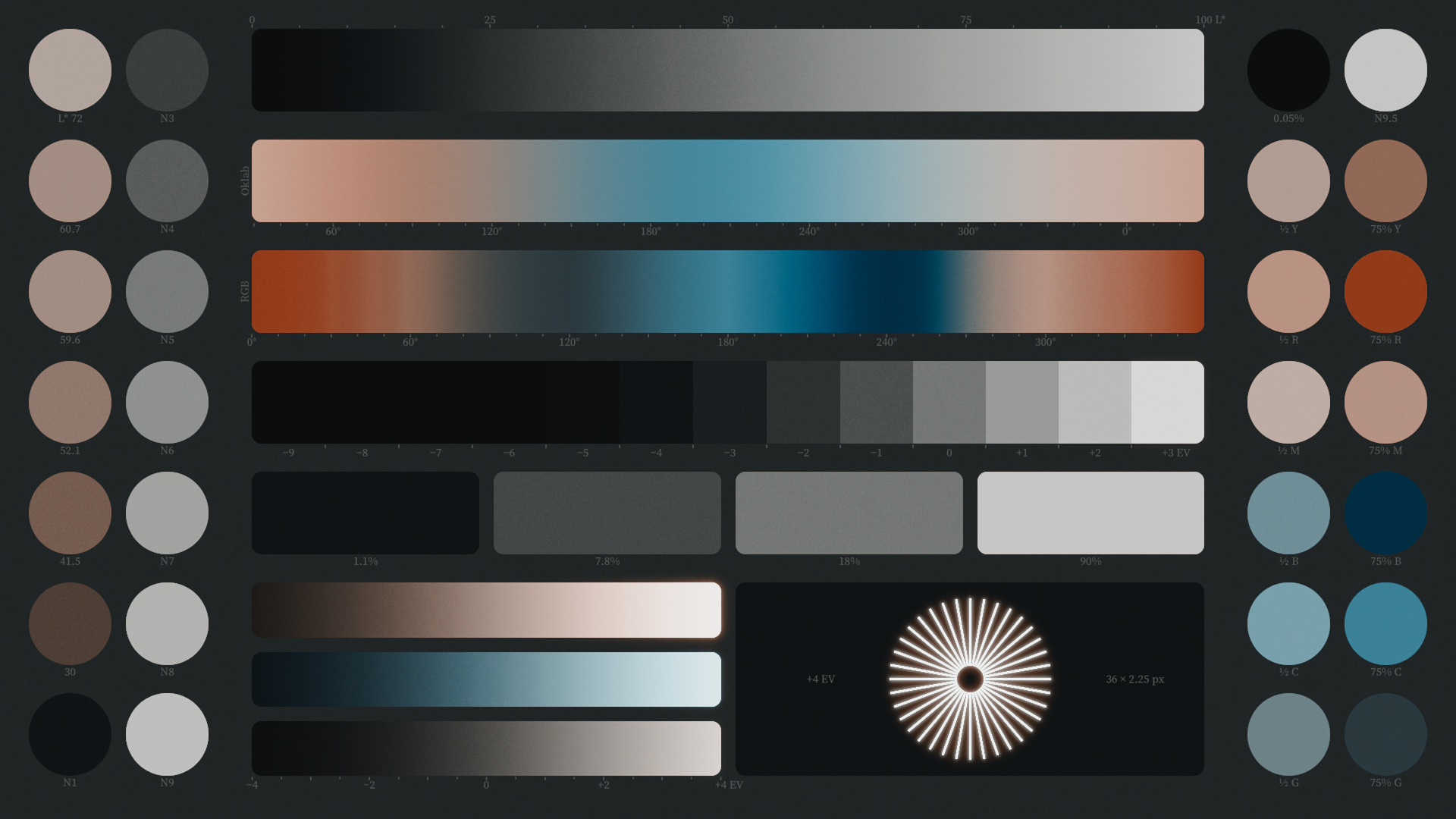
Un modello bicolore ispirato alla copia, non una riproduzione del Cinecolor, mostrato dopo Ansco Color Negative 843. Le sensibilità di tono e di registrazione sono prese da Agfa Print CP30, un sostituto; il colorante blu di Prussia è ricavato dall’articolo di Gundelfinger del 1950 sul procedimento a tre colori, e il colorante rosso-arancio è un’ipotesi dichiarata. Per essa non sono pubblicate MTF né granularità.
Curve di risposta e basi del modello
Confronta i dati del produttore con la risposta di Ashigrain sugli stessi assi. Queste curve mostrano come il modello è calibrato sulle fonti; non dimostrano una corrispondenza con immagini riprese su pellicola.
Risposta caratteristica
Limiti del modello
Queste immagini mostrano il modello di pellicola in uso. Risposta spettrale, luce e condizioni di visione includono approssimazioni; aloni, bagliore, dimensione della grana, instabilità e sfarfallio non sono misurati completamente per ogni film. Una ripresa reale dipende anche dallo sviluppo e dal bilanciamento della stampa.
- È un modello bicolore ispirato alla copia Cinecolor, non una sua riproduzione. Della copia bicolore non è registrata alcuna curva caratteristica.
- Le sensibilità di tono e di registrazione sono quelle di Agfa Print CP30, un sostituto; la sensibilità della registrazione verde è la somma del verde e del blu del sostituto.
- Il colorante blu di Prussia è il ciano ricavato dall’articolo di Gundelfinger del 1950 sul procedimento a tre colori. Il colorante rosso-arancio è una gaussiana ipotizzata (picco a 480 nm, larghezza 70 nm), scelta per il grigio più neutro.
- Il modello elabora le due selezioni in un percorso a tre strati: lo strato blu copia la selezione verde e non c’è colorante giallo.
- La doppia spalmatura e la sua immagine proiettata morbida non sono modellate. Per essa non sono pubblicate MTF né granularità.
- La fonte non dà spettri della lampada o dei filtri della stampatrice. La loro risposta spettrale è approssimata.
- Il velo di proiezione modellato solleva i neri sullo schermo. La sua intensità è assunta perché le fonti disponibili non la misurano; non stabilisce quindi un contrasto di proiezione misurato.
Reciprocità: non modellata. Il tempo di esposizione non ha effetto su questa pellicola.
Guida alle pellicole: ipotesi e scelte pratiche
Questa anteprima combina il positivo con il negativo da ripresa indicato. In questo confronto, il positivo non ha un indice di esposizione separato né una propria risposta misurata della grana.
Fonti
- Characteristic curves: AGFA PRINT CP30 colour print film product info / technical data, 17/10/2011, p. 5
- Process: US Patent 2,016,666: Colored photograph and method of making same (W. T. Crespinel, assigned to Cinecolor Inc.), US 2,016,666 A, filed 1932-12-02, granted 1935-10-08; Google Patents image PDF (5 pages), p. 3
Porta questa pellicola nella tua correzione colore.
Tutte le pellicole in un unico acquisto, senza abbonamento.
€199 + VAT