 Ashigrain
Кольорова копіювальна плівка · Плівки для кінокопії
Gevacolor Print 9.85
Тонкошарова позитивна плівка Agfa-Gevaert для малих форматів.
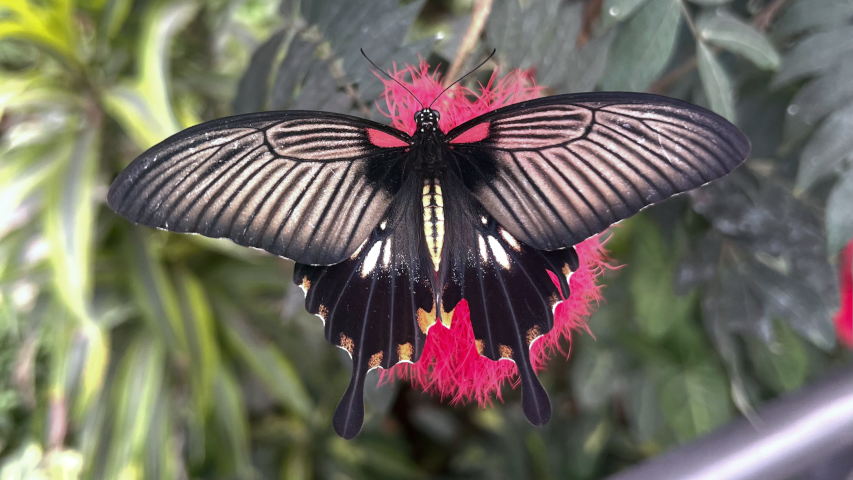
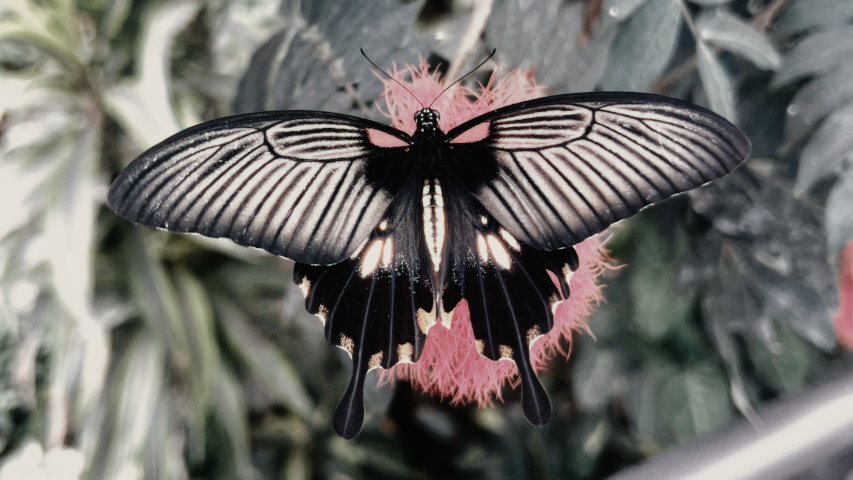
Agfa-Gevaert's 1971 print as a labelled surrogate on Agfa CP30's curves: a 1970s European release-print look. Original vs Ashigrain.
Коротко
- Випуск
- не пізніше 1971 р.
- Процес
- ECP-1
- Максимальна оптична густина
- ≈ 4,0
Про плівку
Gevacolor Print Film Type 9.85 була кольоровою позитивною плівкою Agfa-Gevaert, представленою як новинка в статті Verbrugghe, Сейса й Ейнара в Journal of the SMPTE за липень 1971 року.
Timeline of Historical Film Colors датує її 1971 роком, посилаючись на цю статтю. Автори призначали її для універсального використання в системах кольорового друку й обробки, а дуже тонкі шари емульсії робили її особливо придатною для малих форматів. Це був кольоровий позитив традиційної будови з власною компонентою в кожному з трьох шарів. Різкість і насиченість кольору автори пояснювали ретельним добором компонент і тонкими шарами. Її проявляли в серійному кольоровому проявнику на основі CD-2, і її можна було обробляти разом із подібними позитивними плівками в тих самих розчинах і за той самий час без забруднення. Gevacolor Print Film Type 986 змінила її в 1975 році, з дрібнішим зерном.
Джерела цієї історії
- A New Color-Print Film for Universal Applications in Color Printing and Processing Systems (Journal of the SMPTE 80(7), July 1971), abstract, Society of Motion Picture and Television Engineers
- Gevacolor Print Film T 9 85, Timeline of Historical Film Colors, University of Zurich
- A New Gevacolor Print Film: Type 986 (Journal of the SMPTE 84(6), June 1975), abstract, Society of Motion Picture and Television Engineers
Характер зображення
Gevacolor Print Film Type 9.85 — кольорова позитивна плівка Agfa-Gevaert, представлена в 1971 році, з дуже тонкими шарами емульсії, придатними для малих форматів. Виробники приписували їй добру різкість і насиченість кольору. Версія Ashigrain — позначений замінник, модель, натхненна копією, а не її відтворення.




Найкраще для
- Європейські кольорові копії 1970-х
- Вигляд копій 16 мм і малих форматів
- Порівняння поколінь копій Gevacolor
Порівняйте позитивні плівки
The same Vision3 500T night frame on each print film: how deep the blacks go, how the highlights roll off and how the colour separates.
The same Vision3 500T night frame on each print film: how deep the blacks go, how the highlights roll off and how the colour separates.
The same Vision3 500T night frame on each print film: how deep the blacks go, how the highlights roll off and how the colour separates.
The same Vision3 500T night frame on each print film: how deep the blacks go, how the highlights roll off and how the colour separates.
The same Vision3 500T night frame on each print film: how deep the blacks go, how the highlights roll off and how the colour separates.
The same Vision3 500T night frame on each print film: how deep the blacks go, how the highlights roll off and how the colour separates.
The same Vision3 500T night frame on each print film: how deep the blacks go, how the highlights roll off and how the colour separates.
The same Vision3 500T night frame on each print film: how deep the blacks go, how the highlights roll off and how the colour separates.
The same Vision3 500T night frame on each print film: how deep the blacks go, how the highlights roll off and how the colour separates.
The same Vision3 500T night frame on each print film: how deep the blacks go, how the highlights roll off and how the colour separates.
The same Vision3 500T night frame on each print film: how deep the blacks go, how the highlights roll off and how the colour separates.
The same Vision3 500T night frame on each print film: how deep the blacks go, how the highlights roll off and how the colour separates.
The same Vision3 500T night frame on each print film: how deep the blacks go, how the highlights roll off and how the colour separates.
The same Vision3 500T night frame on each print film. On this two-colour print (a labelled surrogate) every colour falls between blue-green and red-orange: how deep the blacks go, how the highlights roll off and which lights keep their hue.
The same Vision3 500T night frame on each print film: how deep the blacks go, how the highlights roll off and how the colour separates.
The same Vision3 500T night frame on each print film: how deep the blacks go, how the highlights roll off and how the colour separates.
The same Vision3 500T night frame on each print film: how deep the blacks go, how the highlights roll off and how the colour separates.
The same Vision3 500T night frame on each print film: how deep the blacks go, how the highlights roll off and how the colour separates.
The same Vision3 500T night frame on each print film: how deep the blacks go, how the highlights roll off and how the colour separates.
The same Vision3 500T night frame on each print film: how deep the blacks go, how the highlights roll off and how the colour separates.
The same Vision3 500T night frame on each print film: how deep the blacks go, how the highlights roll off and how the colour separates.
The same Vision3 500T night frame on each print film: how deep the blacks go, how the highlights roll off and how the colour separates.
The same Vision3 500T night frame on each print film: how deep the blacks go, how the highlights roll off and how the colour separates.
The same Vision3 500T night frame on each print film: how deep the blacks go, how the highlights roll off and how the colour separates.
The same Vision3 500T night frame on each print film. On this blue-sensitive black-and-white print the colour negative turns grey: how deep the blacks go, how the highlights roll off and how dark the reds and greens print.
The same Vision3 500T night frame on each print film: how deep the blacks go, how the highlights roll off and how the colour separates.
The same Vision3 500T night frame on each print film. On this blue-sensitive black-and-white print the colour negative turns grey: how deep the blacks go, how the highlights roll off and how dark the red neon and skin print.
The same Vision3 500T night frame on each print film: how deep the blacks go, how the highlights roll off and how the colour separates.
The same Vision3 500T night frame on each print film. On this black-and-white print the colour negative turns grey: how deep the blacks go, how the highlights roll off and how the coloured lights and skin translate to grey.
The same Vision3 500T night frame on each print film. On this blue-sensitive black-and-white print the colour negative turns grey: how deep the blacks go, how the highlights roll off and how the coloured lights and skin translate to grey.
The same Vision3 500T night frame on each print film: how deep the blacks go, how the highlights roll off and how the colour separates.
The same Vision3 500T night frame on each print film: how deep the blacks go, how the highlights roll off and how the colour separates.
The same Vision3 500T night frame on each print film: how deep the blacks go, how the highlights roll off and how the colour separates.
The same Vision3 500T night frame on each print film: how deep the blacks go, how the highlights roll off and how the colour separates.
The same Vision3 500T night frame on each print film: how deep the blacks go, how the highlights roll off and how the colour separates.
The same Vision3 500T night frame on each print film. On this two-colour print (a labelled surrogate) every colour falls between a blue and a red dye: how deep the blacks go, how the highlights roll off and which lights keep their hue.
The same Vision3 500T night frame on each print film: how deep the blacks go, how the highlights roll off and how the colour separates.
Той самий нічний кадр на Kodak Vision3 500T, надрукований на кожному позитиві.
- Kodak Vision Premier Color Print Film 2393
- Eastman Color SP Print Film 5383
- Eastman Color Print Film 5384
- Fujifilm Eterna-CP 3521XD
- Du Pont Color Release Positive Type 275
- Fujifilm Eterna-CP 3523XD
- Kodak Vision Color Print Film 2383
- Fujifilm Eterna-CP 3513DI
- Eastman EXR Color Print Film 5386
- Eastman Color Print Film 5381 (1972)
- Eastman Color Print Film 5385
- Agfa CP30 Colour Print Film
- SuperCinecolor
- Cinecolor (two-colour)
- Gevacolor Positive 953
- Gevacolor Print 9.85
- Gevacolor Print 986
- Gevacolor Print 982
- Ferraniacolor Positive
- 3M Color Positive 650
- Fujicolor Positive F-CP 3510
- Fujicolor Positive F-CP 3519
- Fujifilm Eterna-CP 3512
- Eastman Color Print 5381 (1950)
- Eastman Fine Grain Release Positive 5302
- Ansco Color Print 848
- Kodak B&W Print Film 2302
- Svema TsP-11
- Svema MZ-3
- ORWO PF 2 Positive Print Film
- Technicolor Dye Transfer (1997 revival)
- Svema TsP-8R
- Shostka Colour Positive (1950s)
- Technicolor Dye Transfer (Process IV)
- Gasparcolor Print
- Trucolor Print (two-colour)
- Kodak Vision Color Teleprint Film 2395
Наукова основа й джерела

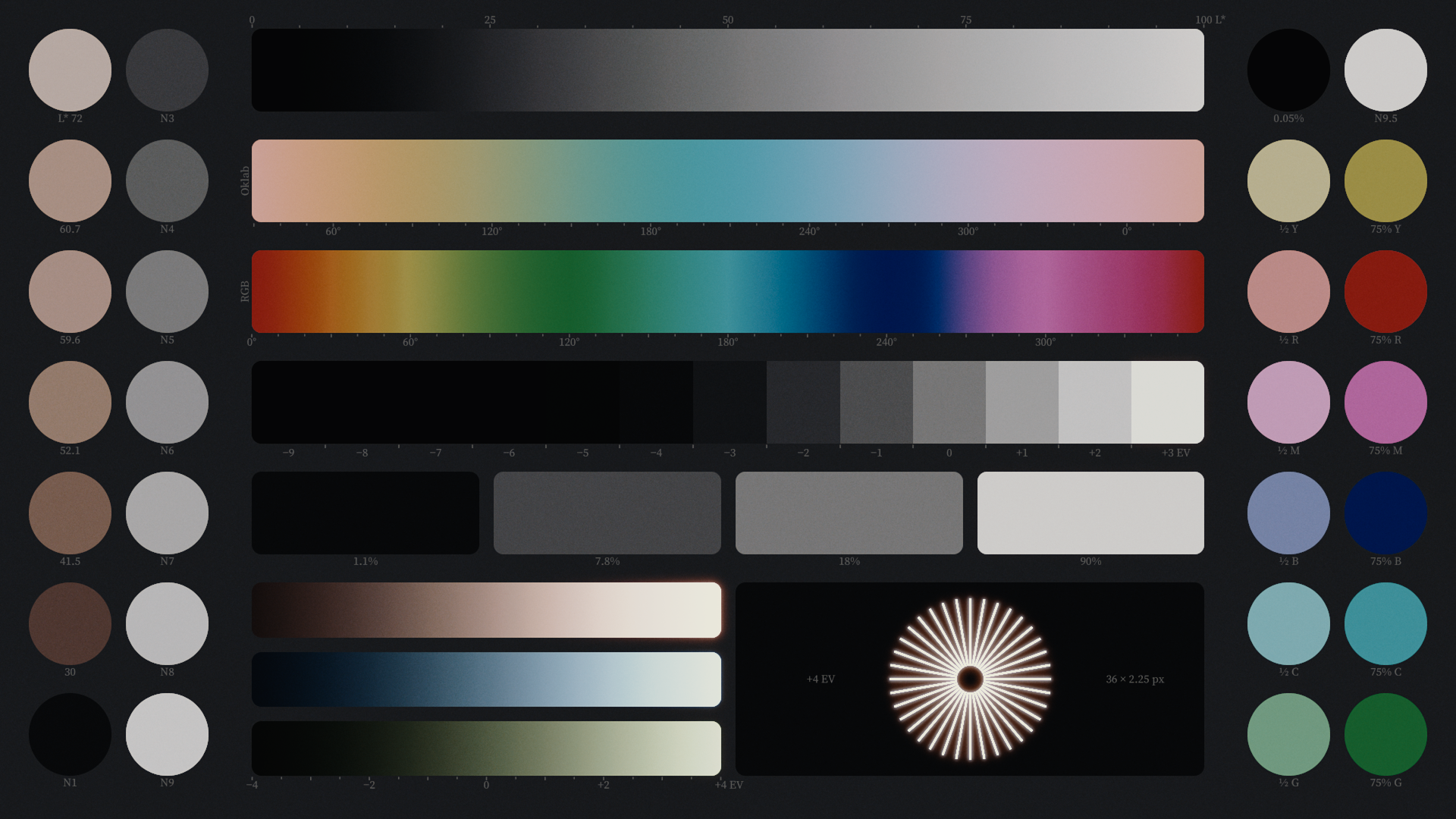
Позначений замінник, натхненний копією, а не відтворення Type 9.85, показаний після Gevacolor Negative Type 682. Даних цієї плівки не зареєстровано: її характеристичні криві, спектральна чутливість, MTF і барвники взяті з Agfa Print CP30, замінника, вибраного з лінії Agfa-Gevaert, без змін. Процесу для неї не названо; ECP-1 — припущення, і він не моделюється.
Криві відгуку й основа моделі
Порівняйте дані виробника з відгуком Ashigrain на тих самих осях. Криві показують калібрування моделі за джерелами, але не доводять відповідності зображенню, знятому на плівку.
Характеристичний відгук
Обмеження моделі
Ці зображення показують модель плівки в роботі. Спектральний відгук, освітлення й умови перегляду містять наближення; ореоли, сяйво, розмір зерна, нестабільність і мерехтіння виміряно не повністю для кожної плівки. Реальна плівкова зйомка також залежить від проявлення й налаштувань друку.
- Це позначений замінник, натхненний Gevacolor Print Film Type 9.85, а не її відтворення. Статтю 1971 року прочитано лише як реферат, і жодної кривої цієї плівки не зареєстровано.
- Характеристичні криві, спектральна чутливість, MTF і барвники взяті з Agfa Print CP30, замінника, без змін. Вибір замінника з лінії Agfa-Gevaert — припущення.
- Тонкі шари емульсії, яким приписують її різкість, не моделюються.
- Джерело називає проявник CD-2, але не процес. Процес ECP-1 — припущення, і процес не моделюється.
- Нейтральна ціль — припущена збалансована за сірим ціль (0.994 / 1.000 / 1.004, Status A); власна ціль замінника не використовується.
- Джерело не наводить спектрів лампи чи фільтрів копіювального апарата. Їхню спектральну реакцію наближено.
- Змодельоване розсіяне світло проєкції піднімає чорні тони на екрані. Його силу припущено, бо доступні джерела її не вимірюють, тож вона не встановлює виміряного контрасту проєкції.
Закон взаємозамінності: не змодельовано. Час експозиції не впливає на цю плівку.
Посібник із плівок: припущення й практичні рішення
Цей перегляд поєднує позитив із названим знімальним негативом. У цьому порівнянні позитив не має окремого індексу експозиції чи власного виміряного відгуку зерна.
Джерела
- Characteristic curves: AGFA PRINT CP30 colour print film product info / technical data, 17/10/2011, с. 5
- Process: Verbrugghe, R. G. L., Seys, W. A. and Eynard, R. A.: A New Color-Print Film for Universal Applications in Color Printing and Processing Systems. Journal of the SMPTE 80(7), July 1971, pp. 559-563, abstract page, journal.smpte.org abstract page (Journal of the SMPTE vol. 80 issue 7, published 1971-07) as served 2026-10-28, с. 1
Додайте цю плівку до своєї кольорокорекції.
Усі плівки в одній покупці, без передплати.
€199 + VAT