Colour print · Print film

Eastman Color Print 5381 (1950)

The first Eastman Color print, from 1950.

Planned media

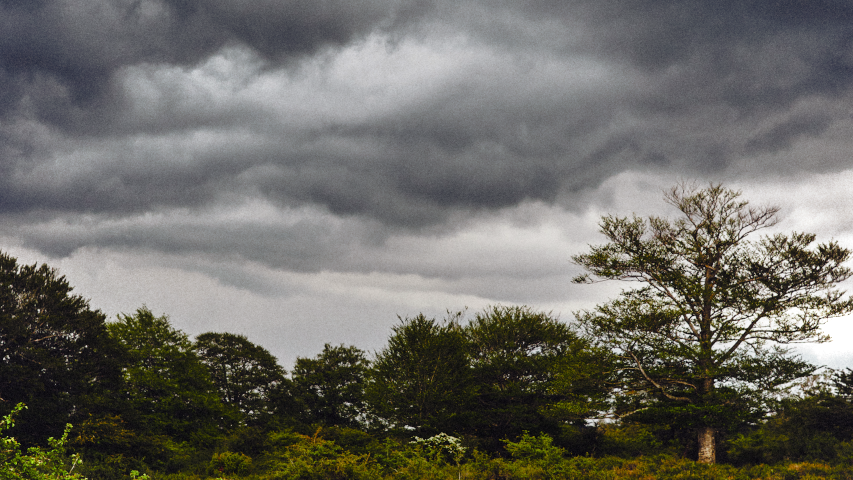
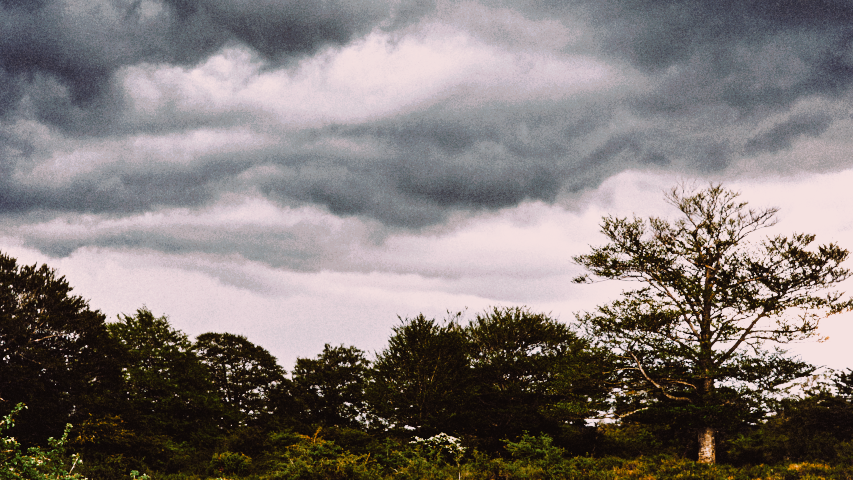
The first Eastman Color print, reconstructed from Hanson's 1952 curves and dyes with an assumed contrast: an early-1950s colour feature look. Original vs Ashigrain.

Eastman Color Negative 5247, Eastman Color Print 5381 (1950)

stock
Eastman Color Negative 5247
mode
Print
print_film
Eastman Color Print 5381 (1950)
film_format
Super 35 (4-perf)

At a glance

Introduced
1950
Discontinued 1953
Process
Eastman Color Print process of 1950 (Hanson Table II; carbonate prebath, colour development 12-15 min at 70 F, stop, wash, bleach, wash, sound-track development, wash, fix, wash, stabilizer)
Maximum density
≈ 3.5

About the film

Eastman Color Print 5381 was the print half of Kodak's first Eastman Color negative-positive system, described in a paper that Hanson of the Kodak Research Laboratories presented on 27 April 1950.

Kodak later reused the code for a different print film of 1972, which is not this one. Hanson presented the colour negative 5247 and this print together, at a time when the industry's tripack colour films were Monopack, Ansco Color, 16 mm Kodachrome and, in Germany, Agfacolor negative-positive. It printed from the colour negative on an ordinary continuous contact printer, though scene-to-scene colour balancing needed more elaborate equipment, and it could also print from black-and-white separation negatives. Its layers were stacked in an unusual order, with the blue-sensitive yellow layer at the bottom under a blue-dye interlayer, then the cyan and magenta layers, and its dyes were balanced for a 4000 K carbon-arc projection light. Kodak's chronology names Royal Journey, shown in December 1951, as a commercial film made with the 5247 negative and 5381 print without intermediates, and The Lion and the Horse (1952) as the first feature to combine 5381 with a separation-film duplicating system. Kodak received an Academy award for the Eastman Color negative and print films, and in 1953 replaced 5381 with 5382.

Sources for this history
  1. Color Negative and Color Positive Film for Motion Picture Use (Journal of the SMPTE 58(3), March 1952), W. T. Hanson, Jr.
  2. Chronology of Film, Eastman Kodak Company
  3. Eastman Color Print Film 5381 (1950), Timeline of Historical Film Colors, University of Zurich

The look

Eastman Color Print 5381 was the first print film of Kodak's Eastman Color negative-positive system, made from 1950 until 5382 replaced it in 1953. Ashigrain reconstructs it from the curves and dyes in Hanson's 1952 paper, with an assumed contrast and a borrowed spectral sensitivity.
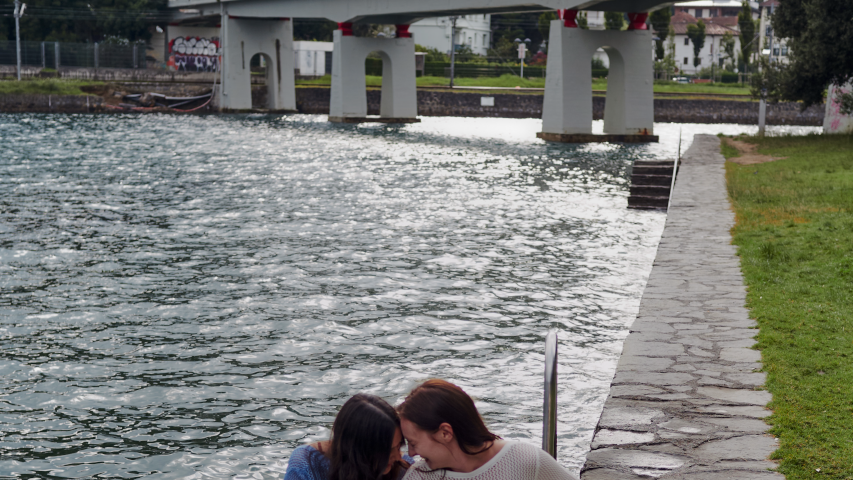

Eastman Color Print 5381 (1950) sample frame: OriginalEastman Color Print 5381 (1950) sample frame: Ashigrain

Best for

  1. Early-1950s colour features
  2. Pastiche of first-generation Eastman Color
  3. Comparing 5381 with Kodak 2383

Compare print films

Planned media

The same Vision3 500T night frame on each print film: how deep the blacks go, how the highlights roll off and how the colour separates.

Kodak Vision3 500T, Kodak Vision Premier Color Print Film 2393

stock
Kodak Vision3 500T
mode
Print
print_film
Kodak Vision Premier Color Print Film 2393
film_format
Super 35 (4-perf)
Kodak Vision3 500T → Kodak Vision Premier Color Print Film 2393

Planned media

The same Vision3 500T night frame on each print film: how deep the blacks go, how the highlights roll off and how the colour separates.

Kodak Vision3 500T, Eastman Color SP Print Film 5383

stock
Kodak Vision3 500T
mode
Print
print_film
Eastman Color SP Print Film 5383
film_format
Super 35 (4-perf)
Kodak Vision3 500T → Eastman Color SP Print Film 5383

Planned media

The same Vision3 500T night frame on each print film: how deep the blacks go, how the highlights roll off and how the colour separates.

Kodak Vision3 500T, Eastman Color Print Film 5384

stock
Kodak Vision3 500T
mode
Print
print_film
Eastman Color Print Film 5384
film_format
Super 35 (4-perf)
Kodak Vision3 500T → Eastman Color Print Film 5384

Planned media

The same Vision3 500T night frame on each print film: how deep the blacks go, how the highlights roll off and how the colour separates.

Kodak Vision3 500T, Fujifilm Eterna-CP 3521XD

stock
Kodak Vision3 500T
mode
Print
print_film
Fujifilm Eterna-CP 3521XD
film_format
Super 35 (4-perf)
Kodak Vision3 500T → Fujifilm Eterna-CP 3521XD

Planned media

The same Vision3 500T night frame on each print film: how deep the blacks go, how the highlights roll off and how the colour separates.

Kodak Vision3 500T, Du Pont Color Release Positive Type 275

stock
Kodak Vision3 500T
mode
Print
print_film
Du Pont Color Release Positive Type 275
film_format
Super 35 (4-perf)
Kodak Vision3 500T → Du Pont Color Release Positive Type 275

Planned media

The same Vision3 500T night frame on each print film: how deep the blacks go, how the highlights roll off and how the colour separates.

Kodak Vision3 500T, Fujifilm Eterna-CP 3523XD

stock
Kodak Vision3 500T
mode
Print
print_film
Fujifilm Eterna-CP 3523XD
film_format
Super 35 (4-perf)
Kodak Vision3 500T → Fujifilm Eterna-CP 3523XD

Planned media

The same Vision3 500T night frame on each print film: how deep the blacks go, how the highlights roll off and how the colour separates.

Kodak Vision3 500T, Kodak Vision Color Print Film 2383

stock
Kodak Vision3 500T
mode
Print
print_film
Kodak Vision Color Print Film 2383
film_format
Super 35 (4-perf)
Kodak Vision3 500T → Kodak Vision Color Print Film 2383

Planned media

The same Vision3 500T night frame on each print film: how deep the blacks go, how the highlights roll off and how the colour separates.

Kodak Vision3 500T, Fujifilm Eterna-CP 3513DI

stock
Kodak Vision3 500T
mode
Print
print_film
Fujifilm Eterna-CP 3513DI
film_format
Super 35 (4-perf)
Kodak Vision3 500T → Fujifilm Eterna-CP 3513DI

Planned media

The same Vision3 500T night frame on each print film: how deep the blacks go, how the highlights roll off and how the colour separates.

Kodak Vision3 500T, Eastman EXR Color Print Film 5386

stock
Kodak Vision3 500T
mode
Print
print_film
Eastman EXR Color Print Film 5386
film_format
Super 35 (4-perf)
Kodak Vision3 500T → Eastman EXR Color Print Film 5386

Planned media

The same Vision3 500T night frame on each print film: how deep the blacks go, how the highlights roll off and how the colour separates.

Kodak Vision3 500T, Eastman Color Print Film 5381 (1972)

stock
Kodak Vision3 500T
mode
Print
print_film
Eastman Color Print Film 5381 (1972)
film_format
Super 35 (4-perf)
Kodak Vision3 500T → Eastman Color Print Film 5381 (1972)

Planned media

The same Vision3 500T night frame on each print film: how deep the blacks go, how the highlights roll off and how the colour separates.

Kodak Vision3 500T, Eastman Color Print Film 5385

stock
Kodak Vision3 500T
mode
Print
print_film
Eastman Color Print Film 5385
film_format
Super 35 (4-perf)
Kodak Vision3 500T → Eastman Color Print Film 5385

Planned media

The same Vision3 500T night frame on each print film: how deep the blacks go, how the highlights roll off and how the colour separates.

Kodak Vision3 500T, Agfa CP30 Colour Print Film

stock
Kodak Vision3 500T
mode
Print
print_film
Agfa CP30 Colour Print Film
film_format
Super 35 (4-perf)
Kodak Vision3 500T → Agfa CP30 Colour Print Film

Planned media

The same Vision3 500T night frame on each print film: how deep the blacks go, how the highlights roll off and how the colour separates.

Kodak Vision3 500T, SuperCinecolor

stock
Kodak Vision3 500T
mode
Print
print_film
SuperCinecolor
film_format
Super 35 (4-perf)
Kodak Vision3 500T → SuperCinecolor

Planned media

The same Vision3 500T night frame on each print film. On this two-colour print (a labelled surrogate) every colour falls between blue-green and red-orange: how deep the blacks go, how the highlights roll off and which lights keep their hue.

Kodak Vision3 500T, Cinecolor (two-colour)

stock
Kodak Vision3 500T
mode
Print
print_film
Cinecolor (two-colour)
film_format
Super 35 (4-perf)
Kodak Vision3 500T → Cinecolor (two-colour)

Planned media

The same Vision3 500T night frame on each print film: how deep the blacks go, how the highlights roll off and how the colour separates.

Kodak Vision3 500T, Gevacolor Positive 953

stock
Kodak Vision3 500T
mode
Print
print_film
Gevacolor Positive 953
film_format
Super 35 (4-perf)
Kodak Vision3 500T → Gevacolor Positive 953

Planned media

The same Vision3 500T night frame on each print film: how deep the blacks go, how the highlights roll off and how the colour separates.

Kodak Vision3 500T, Gevacolor Print 9.85

stock
Kodak Vision3 500T
mode
Print
print_film
Gevacolor Print 9.85
film_format
Super 35 (4-perf)
Kodak Vision3 500T → Gevacolor Print 9.85

Planned media

The same Vision3 500T night frame on each print film: how deep the blacks go, how the highlights roll off and how the colour separates.

Kodak Vision3 500T, Gevacolor Print 986

stock
Kodak Vision3 500T
mode
Print
print_film
Gevacolor Print 986
film_format
Super 35 (4-perf)
Kodak Vision3 500T → Gevacolor Print 986

Planned media

The same Vision3 500T night frame on each print film: how deep the blacks go, how the highlights roll off and how the colour separates.

Kodak Vision3 500T, Gevacolor Print 982

stock
Kodak Vision3 500T
mode
Print
print_film
Gevacolor Print 982
film_format
Super 35 (4-perf)
Kodak Vision3 500T → Gevacolor Print 982

Planned media

The same Vision3 500T night frame on each print film: how deep the blacks go, how the highlights roll off and how the colour separates.

Kodak Vision3 500T, Ferraniacolor Positive

stock
Kodak Vision3 500T
mode
Print
print_film
Ferraniacolor Positive
film_format
Super 35 (4-perf)
Kodak Vision3 500T → Ferraniacolor Positive

Planned media

The same Vision3 500T night frame on each print film: how deep the blacks go, how the highlights roll off and how the colour separates.

Kodak Vision3 500T, 3M Color Positive 650

stock
Kodak Vision3 500T
mode
Print
print_film
3M Color Positive 650
film_format
Super 35 (4-perf)
Kodak Vision3 500T → 3M Color Positive 650

Planned media

The same Vision3 500T night frame on each print film: how deep the blacks go, how the highlights roll off and how the colour separates.

Kodak Vision3 500T, Fujicolor Positive F-CP 3510

stock
Kodak Vision3 500T
mode
Print
print_film
Fujicolor Positive F-CP 3510
film_format
Super 35 (4-perf)
Kodak Vision3 500T → Fujicolor Positive F-CP 3510

Planned media

The same Vision3 500T night frame on each print film: how deep the blacks go, how the highlights roll off and how the colour separates.

Kodak Vision3 500T, Fujicolor Positive F-CP 3519

stock
Kodak Vision3 500T
mode
Print
print_film
Fujicolor Positive F-CP 3519
film_format
Super 35 (4-perf)
Kodak Vision3 500T → Fujicolor Positive F-CP 3519

Planned media

The same Vision3 500T night frame on each print film: how deep the blacks go, how the highlights roll off and how the colour separates.

Kodak Vision3 500T, Fujifilm Eterna-CP 3512

stock
Kodak Vision3 500T
mode
Print
print_film
Fujifilm Eterna-CP 3512
film_format
Super 35 (4-perf)
Kodak Vision3 500T → Fujifilm Eterna-CP 3512

Planned media

The same Vision3 500T night frame on each print film: how deep the blacks go, how the highlights roll off and how the colour separates.

Kodak Vision3 500T, Eastman Color Print 5381 (1950)

stock
Kodak Vision3 500T
mode
Print
print_film
Eastman Color Print 5381 (1950)
film_format
Super 35 (4-perf)
Kodak Vision3 500T → Eastman Color Print 5381 (1950)

Planned media

The same Vision3 500T night frame on each print film. On this blue-sensitive black-and-white print the colour negative turns grey: how deep the blacks go, how the highlights roll off and how dark the reds and greens print.

Kodak Vision3 500T, Eastman Fine Grain Release Positive 5302

stock
Kodak Vision3 500T
mode
Print
print_film
Eastman Fine Grain Release Positive 5302
film_format
Super 35 (4-perf)
Kodak Vision3 500T → Eastman Fine Grain Release Positive 5302

Planned media

The same Vision3 500T night frame on each print film: how deep the blacks go, how the highlights roll off and how the colour separates.

Kodak Vision3 500T, Ansco Color Print 848

stock
Kodak Vision3 500T
mode
Print
print_film
Ansco Color Print 848
film_format
Super 35 (4-perf)
Kodak Vision3 500T → Ansco Color Print 848

Planned media

The same Vision3 500T night frame on each print film. On this blue-sensitive black-and-white print the colour negative turns grey: how deep the blacks go, how the highlights roll off and how dark the red neon and skin print.

Kodak Vision3 500T, Kodak B&W Print Film 2302

stock
Kodak Vision3 500T
mode
Print
print_film
Kodak B&W Print Film 2302
film_format
Super 35 (4-perf)
Kodak Vision3 500T → Kodak B&W Print Film 2302

Planned media

The same Vision3 500T night frame on each print film: how deep the blacks go, how the highlights roll off and how the colour separates.

Kodak Vision3 500T, Svema TsP-11

stock
Kodak Vision3 500T
mode
Print
print_film
Svema TsP-11
film_format
Super 35 (4-perf)
Kodak Vision3 500T → Svema TsP-11

Planned media

The same Vision3 500T night frame on each print film. On this black-and-white print the colour negative turns grey: how deep the blacks go, how the highlights roll off and how the coloured lights and skin translate to grey.

Kodak Vision3 500T, Svema MZ-3

stock
Kodak Vision3 500T
mode
Print
print_film
Svema MZ-3
film_format
Super 35 (4-perf)
Kodak Vision3 500T → Svema MZ-3

Planned media

The same Vision3 500T night frame on each print film. On this blue-sensitive black-and-white print the colour negative turns grey: how deep the blacks go, how the highlights roll off and how the coloured lights and skin translate to grey.

Kodak Vision3 500T, ORWO PF 2 Positive Print Film

stock
Kodak Vision3 500T
mode
Print
print_film
ORWO PF 2 Positive Print Film
film_format
Super 35 (4-perf)
Kodak Vision3 500T → ORWO PF 2 Positive Print Film

Planned media

The same Vision3 500T night frame on each print film: how deep the blacks go, how the highlights roll off and how the colour separates.

Kodak Vision3 500T, Technicolor Dye Transfer (1997 revival)

stock
Kodak Vision3 500T
mode
Print
print_film
Technicolor Dye Transfer (1997 revival)
film_format
Super 35 (4-perf)
Kodak Vision3 500T → Technicolor Dye Transfer (1997 revival)

Planned media

The same Vision3 500T night frame on each print film: how deep the blacks go, how the highlights roll off and how the colour separates.

Kodak Vision3 500T, Svema TsP-8R

stock
Kodak Vision3 500T
mode
Print
print_film
Svema TsP-8R
film_format
Super 35 (4-perf)
Kodak Vision3 500T → Svema TsP-8R

Planned media

The same Vision3 500T night frame on each print film: how deep the blacks go, how the highlights roll off and how the colour separates.

Kodak Vision3 500T, Shostka Colour Positive (1950s)

stock
Kodak Vision3 500T
mode
Print
print_film
Shostka Colour Positive (1950s)
film_format
Super 35 (4-perf)
Kodak Vision3 500T → Shostka Colour Positive (1950s)

Planned media

The same Vision3 500T night frame on each print film: how deep the blacks go, how the highlights roll off and how the colour separates.

Kodak Vision3 500T, Technicolor Dye Transfer (Process IV)

stock
Kodak Vision3 500T
mode
Print
print_film
Technicolor Dye Transfer (Process IV)
film_format
Super 35 (4-perf)
Kodak Vision3 500T → Technicolor Dye Transfer (Process IV)

Planned media

The same Vision3 500T night frame on each print film: how deep the blacks go, how the highlights roll off and how the colour separates.

Kodak Vision3 500T, Gasparcolor Print

stock
Kodak Vision3 500T
mode
Print
print_film
Gasparcolor Print
film_format
Super 35 (4-perf)
Kodak Vision3 500T → Gasparcolor Print

Planned media

The same Vision3 500T night frame on each print film. On this two-colour print (a labelled surrogate) every colour falls between a blue and a red dye: how deep the blacks go, how the highlights roll off and which lights keep their hue.

Kodak Vision3 500T, Trucolor Print (two-colour)

stock
Kodak Vision3 500T
mode
Print
print_film
Trucolor Print (two-colour)
film_format
Super 35 (4-perf)
Kodak Vision3 500T → Trucolor Print (two-colour)

Planned media

The same Vision3 500T night frame on each print film: how deep the blacks go, how the highlights roll off and how the colour separates.

Kodak Vision3 500T, Kodak Vision Color Teleprint Film 2395

stock
Kodak Vision3 500T
mode
Print
print_film
Kodak Vision Color Teleprint Film 2395
film_format
Super 35 (4-perf)
Kodak Vision3 500T → Kodak Vision Color Teleprint Film 2395

The same Kodak Vision3 500T night frame, printed on each film.

Print film · deepest blacks firstKindMaximum density, Status A · higher means deeper blacksYears made
Kodak Vision Premier Color Print Film 2393Kodak Vision Premier Color Print Film 2393+2.0 deeper than Eastman Color Print 5381 (1950)Colour5.51998
Eastman Color SP Print Film 5383Eastman Color SP Print Film 5383Made 1974–1983 · +1.5 deeper than Eastman Color Print 5381 (1950)Colour5.01974–83
Eastman Color Print Film 5384Eastman Color Print Film 5384+1.4 deeper than Eastman Color Print 5381 (1950)Colour4.91981
Fujifilm Eterna-CP 3521XDFujifilm Eterna-CP 3521XD+1.3 deeper than Eastman Color Print 5381 (1950)Colour4.82007
Du Pont Color Release Positive Type 275Du Pont Color Release Positive Type 275+1.2 deeper than Eastman Color Print 5381 (1950)Colour4.71949
Fujifilm Eterna-CP 3523XDFujifilm Eterna-CP 3523XD+1.0 deeper than Eastman Color Print 5381 (1950)Colour4.52010
Kodak Vision Color Print Film 2383Kodak Vision Color Print Film 2383Made since 1998, in production · +0.6 deeper than Eastman Color Print 5381 (1950)Colour4.11998–
Fujifilm Eterna-CP 3513DIFujifilm Eterna-CP 3513DI+0.5 deeper than Eastman Color Print 5381 (1950)Colour4.02005
Eastman EXR Color Print Film 5386Eastman EXR Color Print Film 5386+0.5 deeper than Eastman Color Print 5381 (1950)Colour4.01993
Eastman Color Print Film 5381 (1972)Eastman Color Print Film 5381 (1972)+0.5 deeper than Eastman Color Print 5381 (1950)Colour4.01972
Eastman Color Print Film 5385Eastman Color Print Film 5385+0.5 deeper than Eastman Color Print 5381 (1950)Colour4.01962
Agfa CP30 Colour Print FilmAgfa CP30 Colour Print Film+0.5 deeper than Eastman Color Print 5381 (1950)Colour4.02003
SuperCinecolorSuperCinecolor+0.5 deeper than Eastman Color Print 5381 (1950)Colour4.01948
Cinecolor (two-colour)Cinecolor (two-colour)+0.5 deeper than Eastman Color Print 5381 (1950)Colour4.01932
Gevacolor Positive 953Gevacolor Positive 953+0.5 deeper than Eastman Color Print 5381 (1950)Colour4.01958
Gevacolor Print 9.85Gevacolor Print 9.85+0.5 deeper than Eastman Color Print 5381 (1950)Colour4.01971
Gevacolor Print 986Gevacolor Print 986+0.5 deeper than Eastman Color Print 5381 (1950)Colour4.01975
Gevacolor Print 982Gevacolor Print 982+0.5 deeper than Eastman Color Print 5381 (1950)Colour4.01980
Ferraniacolor PositiveFerraniacolor Positive+0.5 deeper than Eastman Color Print 5381 (1950)Colour4.01949
3M Color Positive 6503M Color Positive 650+0.5 deeper than Eastman Color Print 5381 (1950)Colour4.01970
Fujicolor Positive F-CP 3510Fujicolor Positive F-CP 3510+0.3 deeper than Eastman Color Print 5381 (1950)Colour3.82003
Fujicolor Positive F-CP 3519Fujicolor Positive F-CP 3519+0.3 deeper than Eastman Color Print 5381 (1950)Colour3.82001
Fujifilm Eterna-CP 3512Fujifilm Eterna-CP 3512Made 2010–2013 · +0.2 deeper than Eastman Color Print 5381 (1950)Colour3.72010–13
Eastman Color Print 5381 (1950)Eastman Color Print 5381 (1950)Made 1950–1953 · this printColour3.51950–53
Eastman Fine Grain Release Positive 5302Eastman Fine Grain Release Positive 5302−0.1 lighter than Eastman Color Print 5381 (1950)B&W3.41950
Ansco Color Print 848Ansco Color Print 848−0.2 lighter than Eastman Color Print 5381 (1950)Colour3.31951
Kodak B&W Print Film 2302Kodak B&W Print Film 2302Made since 2000, in production · −0.3 lighter than Eastman Color Print 5381 (1950)B&W3.22000–
Svema TsP-11Svema TsP-11−0.5 lighter than Eastman Color Print 5381 (1950)Colour3.01979
Svema MZ-3Svema MZ-3−0.5 lighter than Eastman Color Print 5381 (1950)B&W3.01979
ORWO PF 2 Positive Print FilmORWO PF 2 Positive Print Film−0.5 lighter than Eastman Color Print 5381 (1950)B&W3.02014
Technicolor Dye Transfer (1997 revival)Technicolor Dye Transfer (1997 revival)−0.7 lighter than Eastman Color Print 5381 (1950)Colour2.81997
Svema TsP-8RSvema TsP-8R−0.7 lighter than Eastman Color Print 5381 (1950)Colour2.81969
Shostka Colour Positive (1950s)Shostka Colour Positive (1950s)−0.7 lighter than Eastman Color Print 5381 (1950)Colour2.81948
Technicolor Dye Transfer (Process IV)Technicolor Dye Transfer (Process IV)−0.7 lighter than Eastman Color Print 5381 (1950)Colour2.81932
Gasparcolor PrintGasparcolor Print−0.8 lighter than Eastman Color Print 5381 (1950)Colour2.71932
Trucolor Print (two-colour)Trucolor Print (two-colour)−0.9 lighter than Eastman Color Print 5381 (1950)Colour2.61945
Kodak Vision Color Teleprint Film 2395Kodak Vision Color Teleprint Film 2395−1.1 lighter than Eastman Color Print 5381 (1950)Colour2.41999

Science & sources

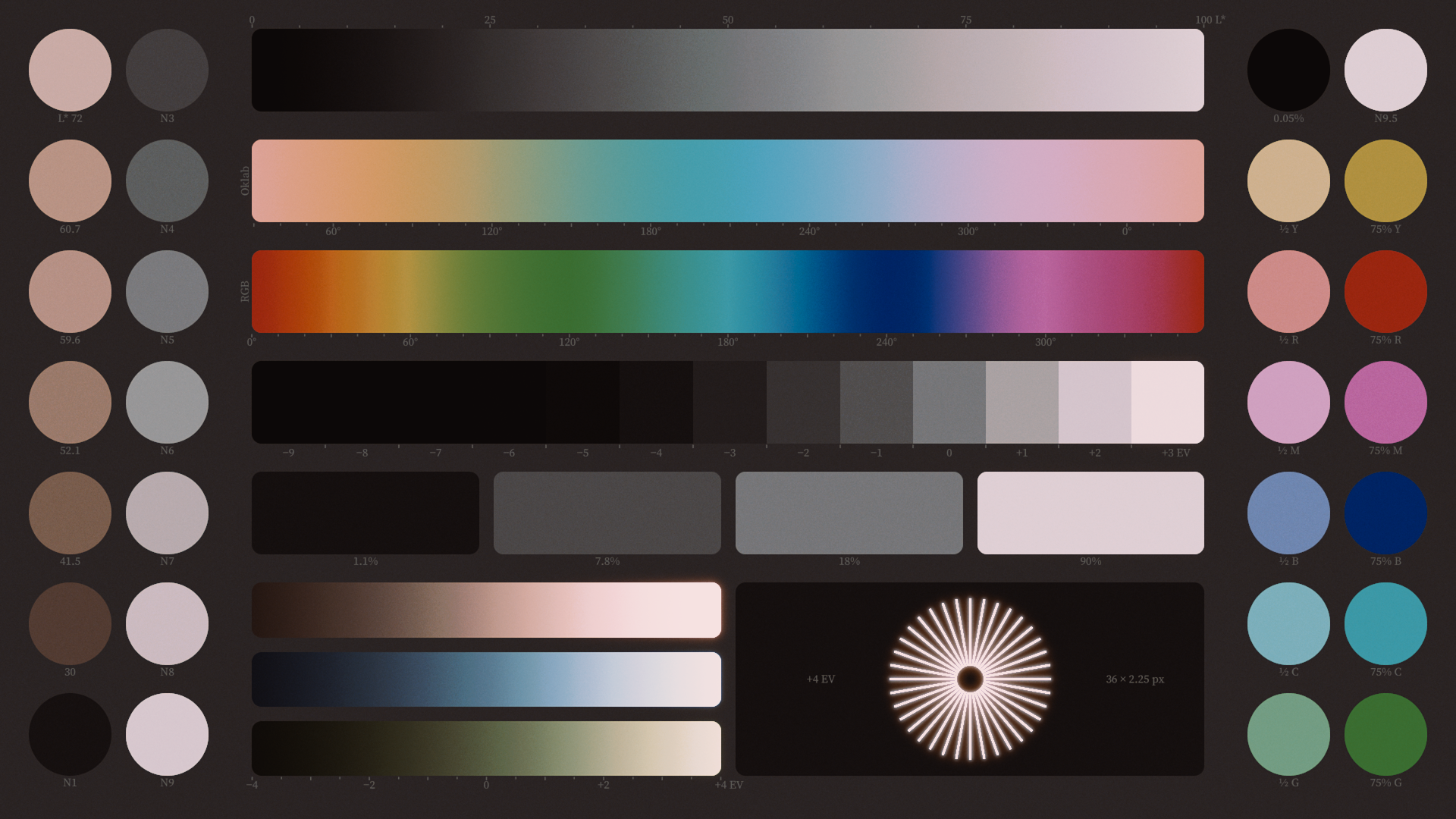
Eastman Color Print 5381 (1950) calibration chart: OriginalEastman Color Print 5381 (1950) calibration chart: Processed
Synthetic test chart (skin tones, Munsell greys, colour bars, tone and hue ramps, step wedge, memory-colour roll-off, halation star) before and after the full Ashigrain pipeline: Kodak Vision3 50D printed on Eastman Color Print 5381 (1950), Super 35 4-perf, default controls, exposure +0.69 stops to match the original's mid-grey, frame 0.

A colour print film, shown after Eastman Color Negative 5247. Its characteristic curves and dyes are traced from Hanson's 1952 paper on a log exposure scale set by an assumed gamma of 3.0, and its spectral sensitivity is rebuilt from Eastman EXR Color Print Film 5386, a proxy. This is the 1950 film, not Kodak's later 5381 of 1972.

Response curves and the evidence behind the model

Compare manufacturer data with Ashigrain’s response on the same axes. These curves show how the model is calibrated to its sources; they do not establish a match to photographed film.

Characteristic response

Density against log H (lux-seconds) for channels R, G, B. R circles, G squares, B triangles, N diamonds; filled markers and solid lines are digitised, open markers and dashed lines are simulated: digitised and simulated.0.51.01.52.02.5log H (lux-seconds)0.01.02.03.04.0Density

Model limits

These images show the film model in use. Spectral response, lighting and viewing conditions include approximations. Halation, bloom, grain size, weave and flicker are not fully measured for each film. The look of real film also depends on development and print timing.

  • Hanson's paper prints no log exposure scale for the characteristic curves; the scale is set by an assumed print gamma of 3.0 on the green curve, so the film's contrast is an assumption.
  • The curves and dyes are traced from raster figures in a microfilm scan, one pass each, so no digitisation error is measured.
  • The spectral sensitivity is not printed. It is rebuilt from Eastman EXR Color Print Film 5386, a proxy rather than this film's data.
  • The paper's curves and dye neutral are stated for a 4000 K carbon-arc light; the model projects with its own projector light, not the arc.
  • The film's inverted layer order and its removable antihalation backing are recorded but not modelled.
  • No MTF or granularity is printed for this film.
  • This is the 1950 film described by Hanson, not the different Eastman Color Print 5381 that Kodak introduced in 1972.
  • The source gives no printer lamp or filter spectra. Their spectral response is approximated.
  • The available sources do not measure veiling flare during projection. The model approximates its contribution to lifted blacks on screen, so the result is not a measured projection contrast.

Reciprocity: not modelled. Exposure time has no effect on this film.

Film guide: assumptions and practical choices

This preview combines the print film with the named camera negative. In this comparison, the print has no separate exposure index or measured grain response.

Sources

  1. Process: W. T. Hanson, Jr., 'Color Negative and Color Positive Film for Motion Picture Use', Journal of the SMPTE 58(3), March 1952, pp. 223-238 (whole issue scan), 1952-03 edition, p. 53
  2. Characteristic curves: W. T. Hanson, Jr., 'Color Negative and Color Positive Film for Motion Picture Use', Journal of the SMPTE 58(3), March 1952, pp. 223-238 (whole issue scan), 1952-03 edition, p. 54

Bring this film into your grade.

Every film is included in one purchase, with no subscription.

€199 + VAT