 Ashigrain
Colour print · Print film
Ansco Color Print 848
Ansco's 1950s colour release print film.
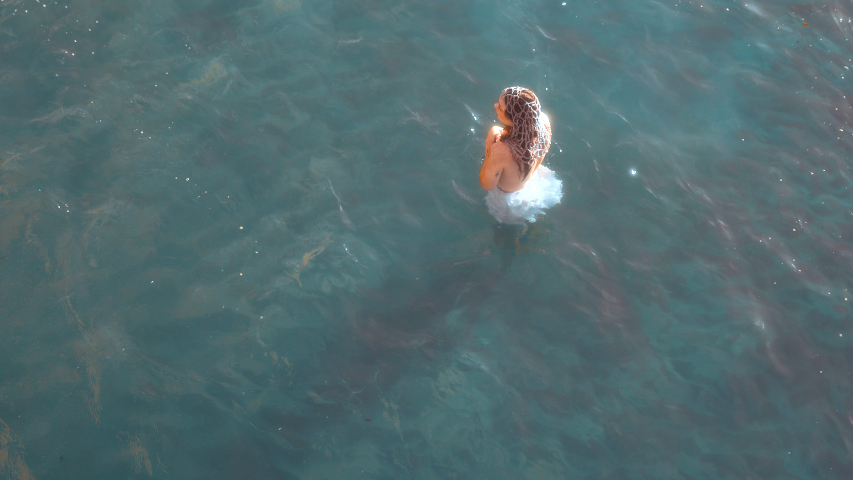
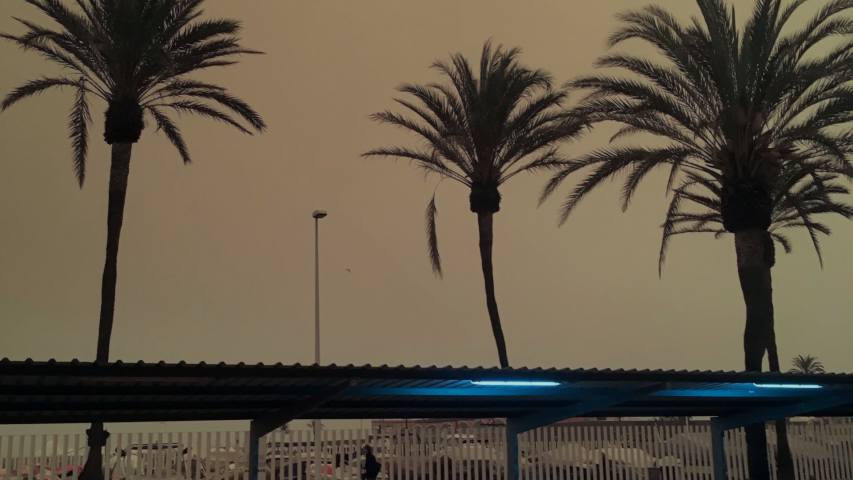
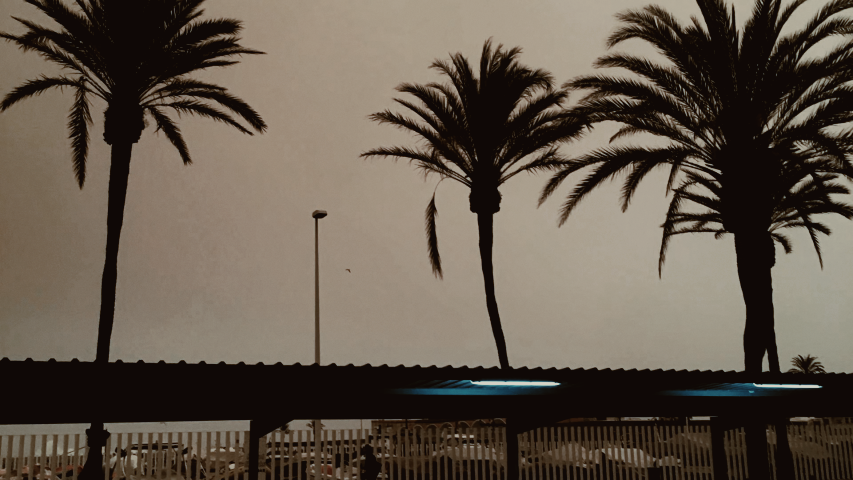
Ansco's 1950s release print on its own camera negative, 843: the Ansco negative-positive system, traced from Duerr's 1952 paper with dyes taken from Type 843. Original vs Ashigrain.
At a glance
- Introduced
- by 1951
- Process
- Ansco color positive process (Ansco Type 846/848 color developer)
- Maximum density
- ≈ 3.3
About the film
Ansco Color Print 848 was the release-print film of the negative-positive process with which the Ansco Division of General Aniline & Film Corp., in Binghamton, New York, set out to replace its 1945 reversal Ansco Color process for professional films.
Ansco's Herman Duerr presented the process, with Type 848 as its release-print film, to the Society's convention in Hollywood on 18 October 1951. The Journal of the SMPTE printed his paper in June 1952. Type 848 made release prints from Ansco colour negatives of Type 843, from colour dupe negatives of Type 846 or from black-and-white tricolour separation negatives. The paper sets out the printing steps for release prints and how protection masters and dupes feed them, and discusses the sound requirements and silver sound tracks of the prints. Like the negative, the film is a three-layer chromogenic monopack with colour-forming development. The paper publishes its integral density and spectral sensitivity but no dye curve. The Timeline of Historical Film Colors lists its 848 entry under 1956, and no source states when the film was withdrawn.
Sources for this history
- The Ansco Color Negative-Positive Process (Journal of the SMPTE 58(6), June 1952, pp. 465–479), Herman H. Duerr (Ansco), Internet Archive
- Ansco Color Print Film, type 848, Timeline of Historical Film Colors
The look
Ansco Color Print 848 is the colour release-print film of Ansco's 1950s negative-positive process, paired with the Type 843 camera negative. Its dye spectra are taken from Type 843, because Ansco's paper prints no dye curve for 848. Ashigrain shows it after Ansco Color Negative 843.



Best for
- Printing Ansco Color Negative 843
- 1950s release-print colour
- Comparing Ansco 848 with Kodak 2383
Compare print films
The same Vision3 500T night frame on each print film: how deep the blacks go, how the highlights roll off and how the colour separates.
The same Vision3 500T night frame on each print film: how deep the blacks go, how the highlights roll off and how the colour separates.
The same Vision3 500T night frame on each print film: how deep the blacks go, how the highlights roll off and how the colour separates.
The same Vision3 500T night frame on each print film: how deep the blacks go, how the highlights roll off and how the colour separates.
The same Vision3 500T night frame on each print film: how deep the blacks go, how the highlights roll off and how the colour separates.
The same Vision3 500T night frame on each print film: how deep the blacks go, how the highlights roll off and how the colour separates.
The same Vision3 500T night frame on each print film: how deep the blacks go, how the highlights roll off and how the colour separates.
The same Vision3 500T night frame on each print film: how deep the blacks go, how the highlights roll off and how the colour separates.
The same Vision3 500T night frame on each print film: how deep the blacks go, how the highlights roll off and how the colour separates.
The same Vision3 500T night frame on each print film: how deep the blacks go, how the highlights roll off and how the colour separates.
The same Vision3 500T night frame on each print film: how deep the blacks go, how the highlights roll off and how the colour separates.
The same Vision3 500T night frame on each print film: how deep the blacks go, how the highlights roll off and how the colour separates.
The same Vision3 500T night frame on each print film: how deep the blacks go, how the highlights roll off and how the colour separates.
The same Vision3 500T night frame on each print film. On this two-colour print (a labelled surrogate) every colour falls between blue-green and red-orange: how deep the blacks go, how the highlights roll off and which lights keep their hue.
The same Vision3 500T night frame on each print film: how deep the blacks go, how the highlights roll off and how the colour separates.
The same Vision3 500T night frame on each print film: how deep the blacks go, how the highlights roll off and how the colour separates.
The same Vision3 500T night frame on each print film: how deep the blacks go, how the highlights roll off and how the colour separates.
The same Vision3 500T night frame on each print film: how deep the blacks go, how the highlights roll off and how the colour separates.
The same Vision3 500T night frame on each print film: how deep the blacks go, how the highlights roll off and how the colour separates.
The same Vision3 500T night frame on each print film: how deep the blacks go, how the highlights roll off and how the colour separates.
The same Vision3 500T night frame on each print film: how deep the blacks go, how the highlights roll off and how the colour separates.
The same Vision3 500T night frame on each print film: how deep the blacks go, how the highlights roll off and how the colour separates.
The same Vision3 500T night frame on each print film: how deep the blacks go, how the highlights roll off and how the colour separates.
The same Vision3 500T night frame on each print film: how deep the blacks go, how the highlights roll off and how the colour separates.
The same Vision3 500T night frame on each print film. On this blue-sensitive black-and-white print the colour negative turns grey: how deep the blacks go, how the highlights roll off and how dark the reds and greens print.
The same Vision3 500T night frame on each print film: how deep the blacks go, how the highlights roll off and how the colour separates.
The same Vision3 500T night frame on each print film. On this blue-sensitive black-and-white print the colour negative turns grey: how deep the blacks go, how the highlights roll off and how dark the red neon and skin print.
The same Vision3 500T night frame on each print film: how deep the blacks go, how the highlights roll off and how the colour separates.
The same Vision3 500T night frame on each print film. On this black-and-white print the colour negative turns grey: how deep the blacks go, how the highlights roll off and how the coloured lights and skin translate to grey.
The same Vision3 500T night frame on each print film. On this blue-sensitive black-and-white print the colour negative turns grey: how deep the blacks go, how the highlights roll off and how the coloured lights and skin translate to grey.
The same Vision3 500T night frame on each print film: how deep the blacks go, how the highlights roll off and how the colour separates.
The same Vision3 500T night frame on each print film: how deep the blacks go, how the highlights roll off and how the colour separates.
The same Vision3 500T night frame on each print film: how deep the blacks go, how the highlights roll off and how the colour separates.
The same Vision3 500T night frame on each print film: how deep the blacks go, how the highlights roll off and how the colour separates.
The same Vision3 500T night frame on each print film: how deep the blacks go, how the highlights roll off and how the colour separates.
The same Vision3 500T night frame on each print film. On this two-colour print (a labelled surrogate) every colour falls between a blue and a red dye: how deep the blacks go, how the highlights roll off and which lights keep their hue.
The same Vision3 500T night frame on each print film: how deep the blacks go, how the highlights roll off and how the colour separates.
The same Kodak Vision3 500T night frame, printed on each film.
- Kodak Vision Premier Color Print Film 2393
- Eastman Color SP Print Film 5383
- Eastman Color Print Film 5384
- Fujifilm Eterna-CP 3521XD
- Du Pont Color Release Positive Type 275
- Fujifilm Eterna-CP 3523XD
- Kodak Vision Color Print Film 2383
- Fujifilm Eterna-CP 3513DI
- Eastman EXR Color Print Film 5386
- Eastman Color Print Film 5381 (1972)
- Eastman Color Print Film 5385
- Agfa CP30 Colour Print Film
- SuperCinecolor
- Cinecolor (two-colour)
- Gevacolor Positive 953
- Gevacolor Print 9.85
- Gevacolor Print 986
- Gevacolor Print 982
- Ferraniacolor Positive
- 3M Color Positive 650
- Fujicolor Positive F-CP 3510
- Fujicolor Positive F-CP 3519
- Fujifilm Eterna-CP 3512
- Eastman Color Print 5381 (1950)
- Eastman Fine Grain Release Positive 5302
- Ansco Color Print 848
- Kodak B&W Print Film 2302
- Svema TsP-11
- Svema MZ-3
- ORWO PF 2 Positive Print Film
- Technicolor Dye Transfer (1997 revival)
- Svema TsP-8R
- Shostka Colour Positive (1950s)
- Technicolor Dye Transfer (Process IV)
- Gasparcolor Print
- Trucolor Print (two-colour)
- Kodak Vision Color Teleprint Film 2395
Science & sources

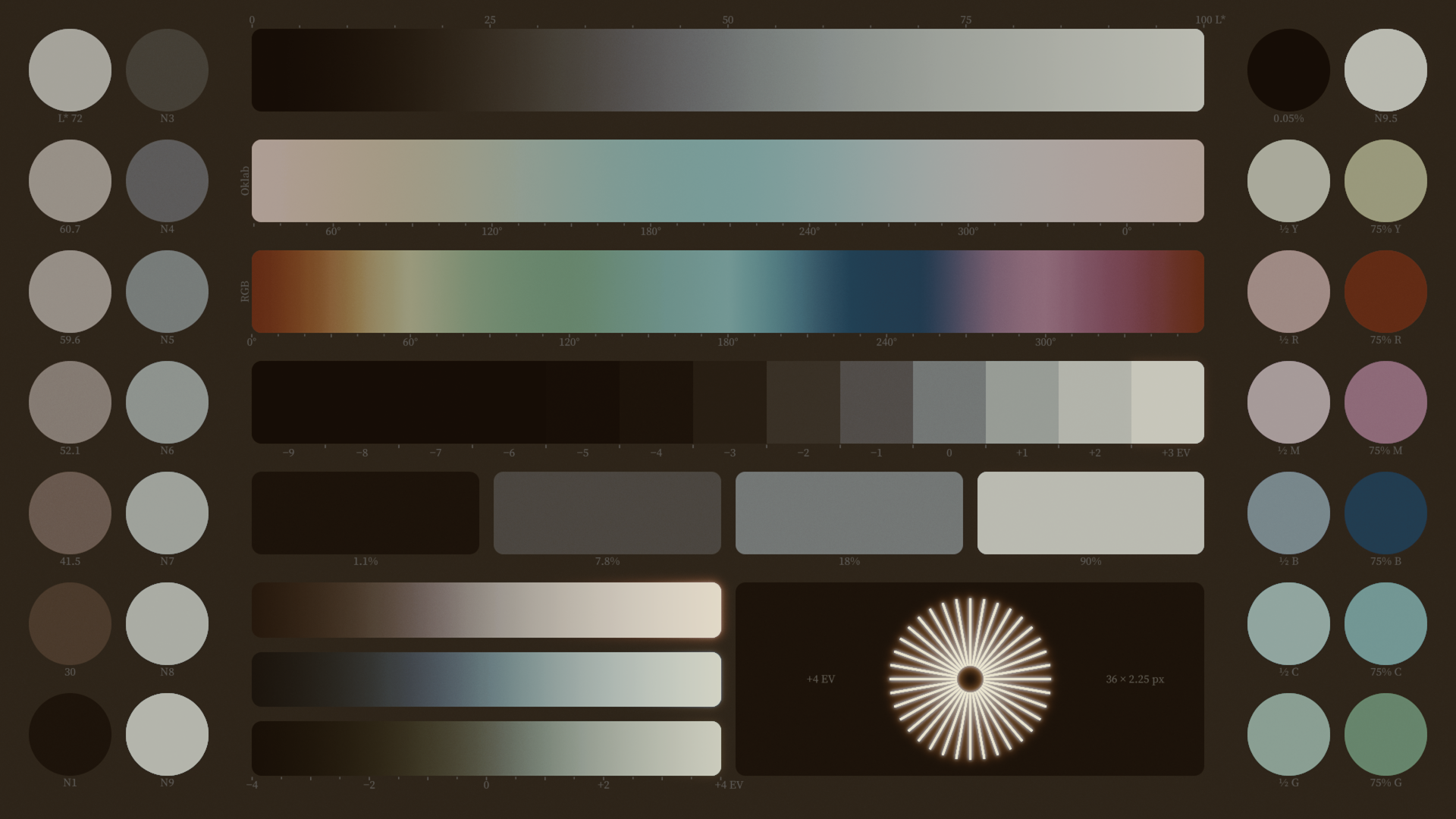
A colour release-print film, shown after Ansco Color Negative 843. The result combines the response of the negative and the print. Its curves and spectral sensitivity are traced from Duerr's 1952 paper, and its dye spectra are taken from Type 843, because the paper prints no dye curve for 848.
Response curves and the evidence behind the model
Compare manufacturer data with Ashigrain’s response on the same axes. These curves show how the model is calibrated to its sources; they do not establish a match to photographed film.
Characteristic response
Model limits
These images show the film model in use. Spectral response, lighting and viewing conditions include approximations. Halation, bloom, grain size, weave and flicker are not fully measured for each film. The look of real film also depends on development and print timing.
- The paper prints no dye curve for Type 848, only absorption maxima of 440, 540 and 660 nm. The dye spectra are taken from the Type 843 negative, a proxy rather than this film's dyes.
- The paper's curves are Macbeth-Ansco integral densities, not Status A densities. Reading them on the model's Status A scale is an approximation.
- The printer lamp and filter spectra and the Status A grey aim used in this preview are approximated; the source does not publish the required spectral or laboratory aim data.
- Characteristic response outside the published exposure range is an extrapolation, not measured film data.
- The available sources do not measure veiling flare during projection. The model approximates its contribution to lifted blacks on screen, so the result is not a measured projection contrast.
Reciprocity: not modelled. Exposure time has no effect on this film.
Film guide: assumptions and practical choices
This preview combines the print film with the named camera negative. In this comparison, the print has no separate exposure index or measured grain response.
Sources
- Characteristic curves: Duerr, H. H.: The Ansco Color Negative-Positive Process. J. SMPTE 58(6), June 1952, pp. 465-479 (volume 58 scan), archive.org item journalofsociety58socirich (Prelinger Library, Journal of the SMPTE Vol. 58, Jan-Jun 1952), derivative file journalofsociety58socirich.pdf, p. 479
- Process: Duerr, H. H.: The Ansco Color Negative-Positive Process. J. SMPTE 58(6), June 1952, pp. 465-479 (volume 58 scan), archive.org item journalofsociety58socirich (Prelinger Library, Journal of the SMPTE Vol. 58, Jan-Jun 1952), derivative file journalofsociety58socirich.pdf, p. 480