 Ashigrain
Copia en color · Película de copia
Technicolor Dye Transfer (1997 revival)
El regreso de la transferencia de tintes de Technicolor a finales de los noventa.
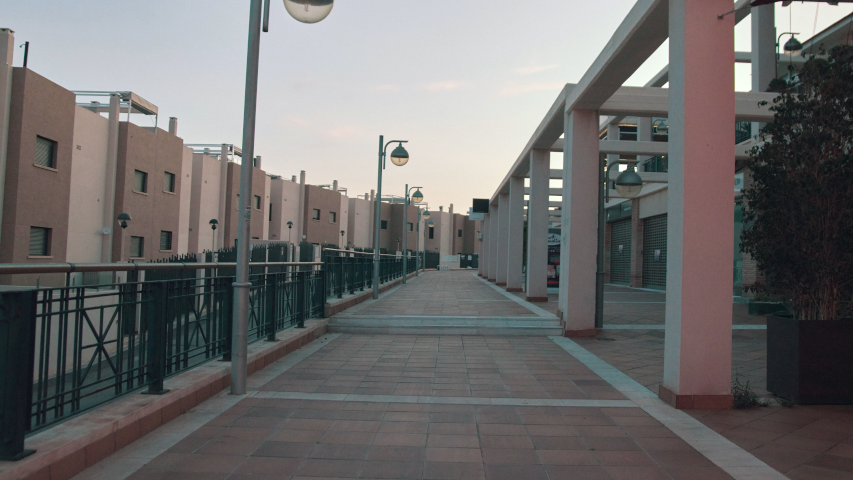
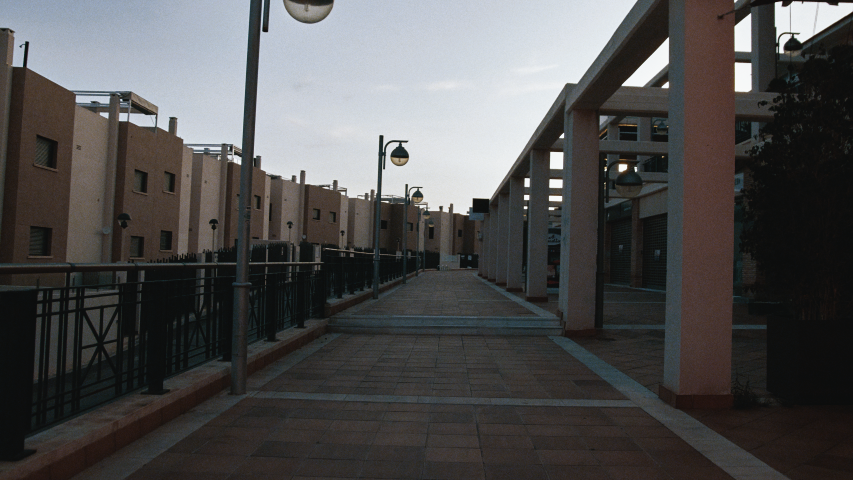
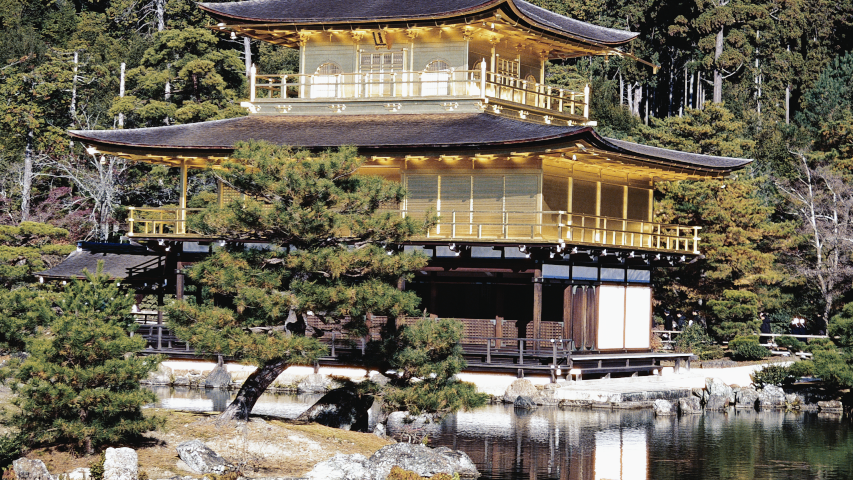
A labelled surrogate of Technicolor's late-1990s dye-transfer revival: the Process IV model with no key image and an assumed steeper tone for deeper blacks. Original vs Ashigrain.
De un vistazo
- Lanzamiento
- 1997
- Descatalogada
- Proceso
- three separation records printed onto matrix film, developed to hardened gelatin reliefs, imbibed with cyan, magenta and yellow dyes and transferred in register onto a blank
- Densidad máxima
- ≈ 2,8
- Soporte
- Poliéster
Sobre la película
Technicolor había abandonado la copia por transferencia de tintes en Estados Unidos a mediados de los años setenta, estudió recuperarla desde principios de los noventa y la volvió a poner en marcha en 1997 en su laboratorio de North Hollywood, en los terrenos de Universal.
Para ello recompró el equipo de transferencia de tintes que su planta de West Drayton había vendido a China a finales de los años setenta. Film Atlas nombra Batman & Robin (1997) como la primera película estrenada con las nuevas copias, solo como copias de estreno, y en diciembre de 1997 Los Angeles Times informó de que el proceso se había usado hasta entonces en unas pocas copias de Giant y de Batman & Robin. Ricotta, uno de los responsables del regreso, dijo que daba imágenes más nítidas y con menos grano y una escala tonal ampliada, con negros más negros y blancos más blancos. Las copias se hacían sobre películas vírgenes de poliéster Estar suministradas por Kodak, con bandas sonoras copiadas en blanco y negro. Se usó para copias de estreno de películas nuevas como Bulworth, The Thin Red Line y Godzilla (todas de 1998), Pearl Harbor y Apocalypse Now Redux (ambas de 2001), y para reestrenos de Rear Window, Gone with the Wind y The Wizard of Oz. El reestreno de Rear Window de 1999 tuvo unas 40 copias por transferencia de tintes. El regreso debía crecer hasta grandes tiradas de distribución, pero se quedó en tiradas pequeñas por problemas de control de calidad, fallos técnicos y la llegada de la proyección digital, y a principios de los años 2000 ya había terminado.
Fuentes de esta historia
- Technicolor dye-transfer revival (Robert Hoffman), Film Atlas (FIAF / George Eastman Museum)
- Technicolor prints from color negatives (Richard W. Haines), Film Atlas (FIAF / George Eastman Museum)
- Film restoration more than 'Rear Window'-dressing (Bill Desowitz, 11 December 1997), CNN Interactive (Los Angeles Times)
El aspecto
En 1997 Technicolor recuperó la copia por transferencia de tintes para copias de estreno de películas nuevas y clásicos reestrenados, sobre soporte de poliéster; a principios de los años 2000 ya se había vuelto a abandonar. La versión de Ashigrain es un sustituto declarado, un modelo inspirado en la copia y no una reproducción: el modelo de Process IV sin imagen clave y con una tonalidad más pronunciada.



Ideal para
- Looks de copia de estreno de finales de los noventa
- Reestrenos restaurados de clásicos de estudio
- Negros profundos con color de tinte saturado
Compara películas de positivado
The same Vision3 500T night frame on each print film: how deep the blacks go, how the highlights roll off and how the colour separates.
The same Vision3 500T night frame on each print film: how deep the blacks go, how the highlights roll off and how the colour separates.
The same Vision3 500T night frame on each print film: how deep the blacks go, how the highlights roll off and how the colour separates.
The same Vision3 500T night frame on each print film: how deep the blacks go, how the highlights roll off and how the colour separates.
The same Vision3 500T night frame on each print film: how deep the blacks go, how the highlights roll off and how the colour separates.
The same Vision3 500T night frame on each print film: how deep the blacks go, how the highlights roll off and how the colour separates.
The same Vision3 500T night frame on each print film: how deep the blacks go, how the highlights roll off and how the colour separates.
The same Vision3 500T night frame on each print film: how deep the blacks go, how the highlights roll off and how the colour separates.
The same Vision3 500T night frame on each print film: how deep the blacks go, how the highlights roll off and how the colour separates.
The same Vision3 500T night frame on each print film: how deep the blacks go, how the highlights roll off and how the colour separates.
The same Vision3 500T night frame on each print film: how deep the blacks go, how the highlights roll off and how the colour separates.
The same Vision3 500T night frame on each print film: how deep the blacks go, how the highlights roll off and how the colour separates.
The same Vision3 500T night frame on each print film: how deep the blacks go, how the highlights roll off and how the colour separates.
The same Vision3 500T night frame on each print film. On this two-colour print (a labelled surrogate) every colour falls between blue-green and red-orange: how deep the blacks go, how the highlights roll off and which lights keep their hue.
The same Vision3 500T night frame on each print film: how deep the blacks go, how the highlights roll off and how the colour separates.
The same Vision3 500T night frame on each print film: how deep the blacks go, how the highlights roll off and how the colour separates.
The same Vision3 500T night frame on each print film: how deep the blacks go, how the highlights roll off and how the colour separates.
The same Vision3 500T night frame on each print film: how deep the blacks go, how the highlights roll off and how the colour separates.
The same Vision3 500T night frame on each print film: how deep the blacks go, how the highlights roll off and how the colour separates.
The same Vision3 500T night frame on each print film: how deep the blacks go, how the highlights roll off and how the colour separates.
The same Vision3 500T night frame on each print film: how deep the blacks go, how the highlights roll off and how the colour separates.
The same Vision3 500T night frame on each print film: how deep the blacks go, how the highlights roll off and how the colour separates.
The same Vision3 500T night frame on each print film: how deep the blacks go, how the highlights roll off and how the colour separates.
The same Vision3 500T night frame on each print film: how deep the blacks go, how the highlights roll off and how the colour separates.
The same Vision3 500T night frame on each print film. On this blue-sensitive black-and-white print the colour negative turns grey: how deep the blacks go, how the highlights roll off and how dark the reds and greens print.
The same Vision3 500T night frame on each print film: how deep the blacks go, how the highlights roll off and how the colour separates.
The same Vision3 500T night frame on each print film. On this blue-sensitive black-and-white print the colour negative turns grey: how deep the blacks go, how the highlights roll off and how dark the red neon and skin print.
The same Vision3 500T night frame on each print film: how deep the blacks go, how the highlights roll off and how the colour separates.
The same Vision3 500T night frame on each print film. On this black-and-white print the colour negative turns grey: how deep the blacks go, how the highlights roll off and how the coloured lights and skin translate to grey.
The same Vision3 500T night frame on each print film. On this blue-sensitive black-and-white print the colour negative turns grey: how deep the blacks go, how the highlights roll off and how the coloured lights and skin translate to grey.
The same Vision3 500T night frame on each print film: how deep the blacks go, how the highlights roll off and how the colour separates.
The same Vision3 500T night frame on each print film: how deep the blacks go, how the highlights roll off and how the colour separates.
The same Vision3 500T night frame on each print film: how deep the blacks go, how the highlights roll off and how the colour separates.
The same Vision3 500T night frame on each print film: how deep the blacks go, how the highlights roll off and how the colour separates.
The same Vision3 500T night frame on each print film: how deep the blacks go, how the highlights roll off and how the colour separates.
The same Vision3 500T night frame on each print film. On this two-colour print (a labelled surrogate) every colour falls between a blue and a red dye: how deep the blacks go, how the highlights roll off and which lights keep their hue.
The same Vision3 500T night frame on each print film: how deep the blacks go, how the highlights roll off and how the colour separates.
El mismo fotograma nocturno de Kodak Vision3 500T, positivado en cada película.
- Kodak Vision Premier Color Print Film 2393
- Eastman Color SP Print Film 5383
- Eastman Color Print Film 5384
- Fujifilm Eterna-CP 3521XD
- Du Pont Color Release Positive Type 275
- Fujifilm Eterna-CP 3523XD
- Kodak Vision Color Print Film 2383
- Fujifilm Eterna-CP 3513DI
- Eastman EXR Color Print Film 5386
- Eastman Color Print Film 5381 (1972)
- Eastman Color Print Film 5385
- Agfa CP30 Colour Print Film
- SuperCinecolor
- Cinecolor (two-colour)
- Gevacolor Positive 953
- Gevacolor Print 9.85
- Gevacolor Print 986
- Gevacolor Print 982
- Ferraniacolor Positive
- 3M Color Positive 650
- Fujicolor Positive F-CP 3510
- Fujicolor Positive F-CP 3519
- Fujifilm Eterna-CP 3512
- Eastman Color Print 5381 (1950)
- Eastman Fine Grain Release Positive 5302
- Ansco Color Print 848
- Kodak B&W Print Film 2302
- Svema TsP-11
- Svema MZ-3
- ORWO PF 2 Positive Print Film
- Technicolor Dye Transfer (1997 revival)
- Svema TsP-8R
- Shostka Colour Positive (1950s)
- Technicolor Dye Transfer (Process IV)
- Gasparcolor Print
- Trucolor Print (two-colour)
- Kodak Vision Color Teleprint Film 2395
Ciencia y fuentes

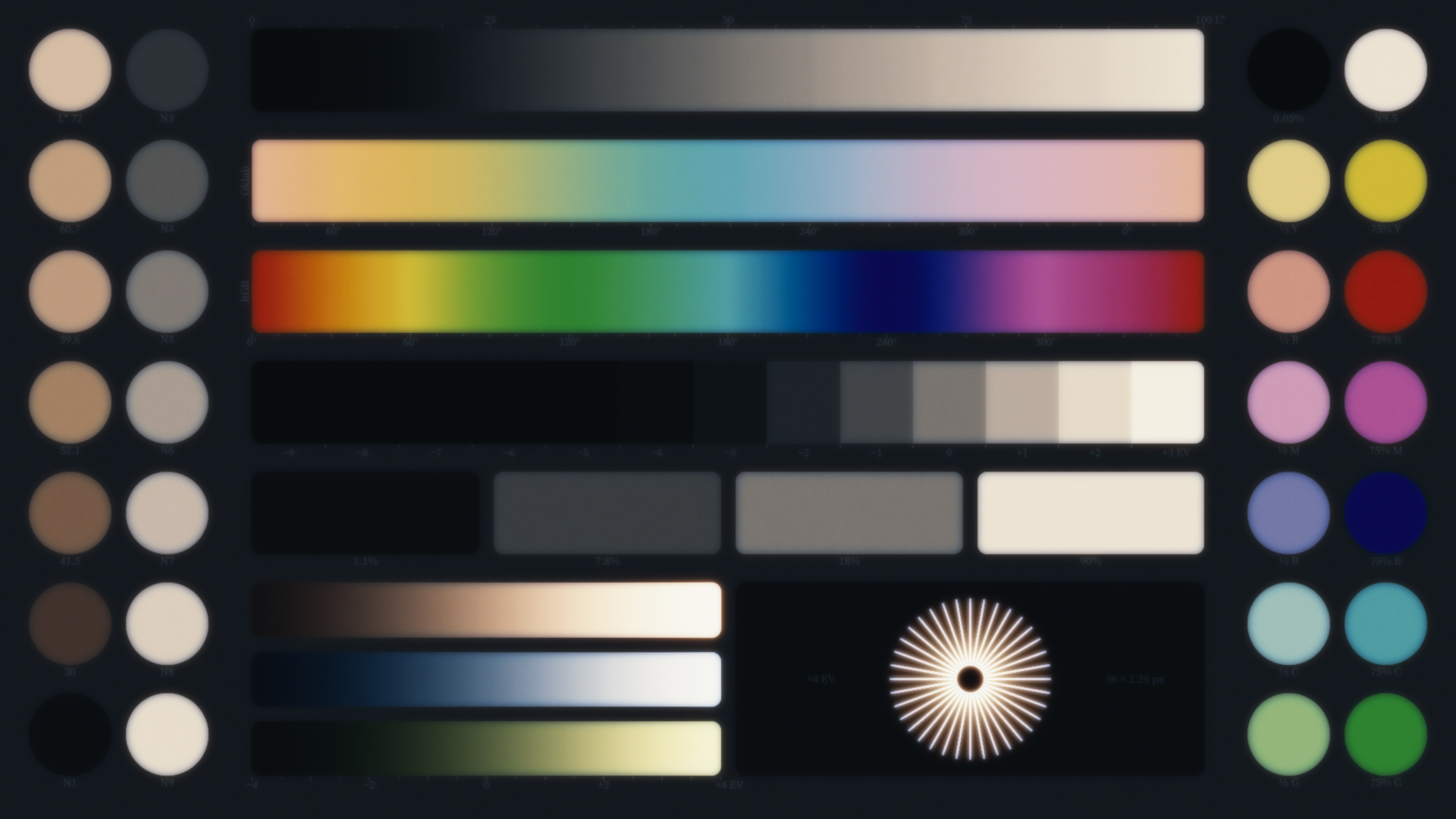
Un modelo tricolor inspirado en la copia del regreso, no una reproducción de ella, mostrado tras Kodak Vision3 500T. Comparte las curvas supuestas, las sensibilidades de registro y los tintes del modelo Technicolor Process IV, sin imagen clave y con una gamma de matriz supuesta más pronunciada de 2.7 para la escala tonal ampliada que el regreso proclamaba.
Curvas de respuesta y fundamentos del modelo
Compara los datos del fabricante con la respuesta de Ashigrain sobre los mismos ejes. Estas curvas muestran cómo se calibra el modelo con sus fuentes; no demuestran una coincidencia con imágenes fotografiadas en película.
Respuesta característica
Límites del modelo
Estas imágenes muestran el modelo de película en uso. La respuesta espectral, la iluminación y las condiciones de visualización incluyen aproximaciones; el halo, el resplandor, el tamaño del grano, la inestabilidad y el parpadeo no están medidos por completo para cada película. Una captura real también depende del revelado y del ajuste de positivado.
- Es un modelo tricolor inspirado en el regreso de la transferencia de tintes de Technicolor de 1997–2002, no una reproducción de sus copias.
- En las fuentes no existe ninguna curva característica, filtro de separación, gamma de matriz ni espectro de tinte de una copia del regreso. Las curvas, las sensibilidades de registro y los tintes de transferencia son los del sustituto Technicolor Process IV de Ashigrain, a su vez supuestos nombrados.
- Solo difiere donde lo dice una fuente: no hay imagen clave, y la gamma de matriz de 2.7, más pronunciada que la de 2.6 de Process IV, es un supuesto que representa la escala tonal ampliada que el regreso proclamaba.
- El soporte de poliéster se registra, pero no se modela.
- La fuente no da espectros de la lámpara ni de los filtros de la positivadora. Su respuesta espectral es aproximada.
- El velo de proyección modelado eleva los negros en pantalla. Su intensidad es un supuesto porque las fuentes disponibles no lo miden; por tanto, no establece un contraste de proyección medido.
Reciprocidad: no modelada. El tiempo de exposición no tiene efecto en esta película.
Guía de películas: supuestos y opciones prácticas
Esta vista previa combina el positivo con el negativo de cámara indicado. En esta comparación, el positivo no tiene un índice de exposición ni una respuesta de grano medida propios.
Fuentes
- Process: J. A. Ball, The Technicolor Process of Three-Color Cinematography (American WideScreen Museum transcription), widescreenmuseum.com/oldcolor/ball.htm as served 2026-10-28 (transcription; figures ballpic1a.gif, ballpic2.gif not registered), p. 1
- Reconstructed: J. A. Ball, The Technicolor Process of Three-Color Cinematography (American WideScreen Museum transcription), widescreenmuseum.com/oldcolor/ball.htm as served 2026-10-28 (transcription; figures ballpic1a.gif, ballpic2.gif not registered), p. 1
Lleva esta película a tu etalonaje.
Todas las películas incluidas en una sola compra, sin suscripción.
€199 + VAT