 Ashigrain
Copia en color · Película de copia
Shostka Colour Positive (1950s)
Copias soviéticas en color de la era de tipo Agfacolor.
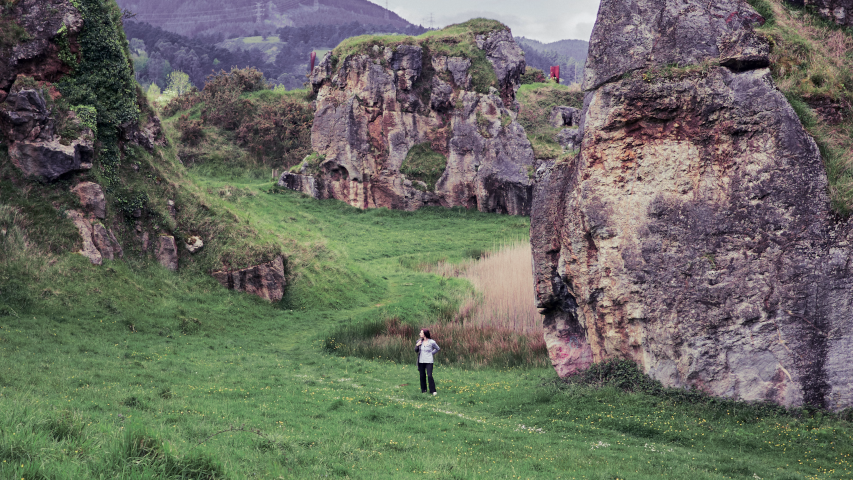
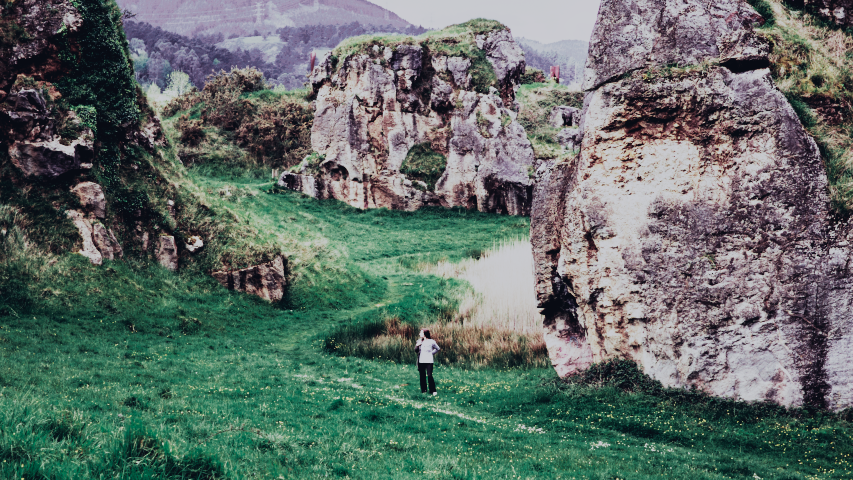
Shostka's 1950s colour positive as a labelled surrogate on TsP-8R's curves and dyes, for Soviet colour features of the 1950s. Original vs Ashigrain.
De un vistazo
- Lanzamiento
- hacia 1948
- Proceso
- Soviet colour-positive development (not documented for this era)
- Densidad máxima
- ≈ 2,8
Sobre la película
El positivo en color de Shostka de Ashigrain representa la película de copia en color de la fábrica de película de Shostka en los años posteriores a la Segunda Guerra Mundial, pero ninguna fuente consultada nombra un tipo ni lo fecha.
Según la Gran Enciclopedia Soviética, la producción de película en Shostka empezó en 1931, y la producción soviética de película en color multicapa en 1948. Antes de la guerra, la Fábrica n.º 6 de Shostka había fabricado las películas de matriz y vírgenes para la copia tricolor soviética, escribe Nikolái Mayorov. Mayorov escribe que desde 1947 la Fábrica n.º 3 de Shostka utilizaba equipos desmontados en Alemania para fabricar la película negativa en color DS-1 (ДС-1) con tecnología Agfa. El material Agfacolor capturado y la tecnología alemana permitieron a la Unión Soviética adoptar el proceso de color negativo-positivo, y la mayoría de las películas soviéticas de los cincuenta fueron en color. Hacia 1952 las Fábricas n.º 3 y n.º 8 habían desarrollado el negativo de tungsteno LN-2 (ЛН-2), y la n.º 3 había empezado el negativo de luz día DS-2 (ДС-2). La fábrica, conocida después como Svema, pasó a fabricar los positivos en color TsP-8R y TsP-11.
Fuentes de esta historia
- Николай Майоров. «Цвет советского кино» (2011), Музей ЦСДФ
- Большая советская энциклопедия: Кинопромышленность, booksite.ru
El aspecto
El positivo en color de Shostka de los cincuenta fue una película de copia soviética de la Fábrica n.º 3, que desde 1947 fabricaba película en color con tecnología Agfa. En las fuentes no se conserva ningún nombre de tipo ni curva suya. La versión de Ashigrain es un sustituto declarado, un modelo inspirado en la copia y no una reproducción.




Ideal para
- Largometrajes soviéticos en color de los cincuenta
- Copiar negativos Svema DS-5M
- Comparar copias soviéticas tempranas y tardías
Compara películas de positivado
The same Vision3 500T night frame on each print film: how deep the blacks go, how the highlights roll off and how the colour separates.
The same Vision3 500T night frame on each print film: how deep the blacks go, how the highlights roll off and how the colour separates.
The same Vision3 500T night frame on each print film: how deep the blacks go, how the highlights roll off and how the colour separates.
The same Vision3 500T night frame on each print film: how deep the blacks go, how the highlights roll off and how the colour separates.
The same Vision3 500T night frame on each print film: how deep the blacks go, how the highlights roll off and how the colour separates.
The same Vision3 500T night frame on each print film: how deep the blacks go, how the highlights roll off and how the colour separates.
The same Vision3 500T night frame on each print film: how deep the blacks go, how the highlights roll off and how the colour separates.
The same Vision3 500T night frame on each print film: how deep the blacks go, how the highlights roll off and how the colour separates.
The same Vision3 500T night frame on each print film: how deep the blacks go, how the highlights roll off and how the colour separates.
The same Vision3 500T night frame on each print film: how deep the blacks go, how the highlights roll off and how the colour separates.
The same Vision3 500T night frame on each print film: how deep the blacks go, how the highlights roll off and how the colour separates.
The same Vision3 500T night frame on each print film: how deep the blacks go, how the highlights roll off and how the colour separates.
The same Vision3 500T night frame on each print film: how deep the blacks go, how the highlights roll off and how the colour separates.
The same Vision3 500T night frame on each print film. On this two-colour print (a labelled surrogate) every colour falls between blue-green and red-orange: how deep the blacks go, how the highlights roll off and which lights keep their hue.
The same Vision3 500T night frame on each print film: how deep the blacks go, how the highlights roll off and how the colour separates.
The same Vision3 500T night frame on each print film: how deep the blacks go, how the highlights roll off and how the colour separates.
The same Vision3 500T night frame on each print film: how deep the blacks go, how the highlights roll off and how the colour separates.
The same Vision3 500T night frame on each print film: how deep the blacks go, how the highlights roll off and how the colour separates.
The same Vision3 500T night frame on each print film: how deep the blacks go, how the highlights roll off and how the colour separates.
The same Vision3 500T night frame on each print film: how deep the blacks go, how the highlights roll off and how the colour separates.
The same Vision3 500T night frame on each print film: how deep the blacks go, how the highlights roll off and how the colour separates.
The same Vision3 500T night frame on each print film: how deep the blacks go, how the highlights roll off and how the colour separates.
The same Vision3 500T night frame on each print film: how deep the blacks go, how the highlights roll off and how the colour separates.
The same Vision3 500T night frame on each print film: how deep the blacks go, how the highlights roll off and how the colour separates.
The same Vision3 500T night frame on each print film. On this blue-sensitive black-and-white print the colour negative turns grey: how deep the blacks go, how the highlights roll off and how dark the reds and greens print.
The same Vision3 500T night frame on each print film: how deep the blacks go, how the highlights roll off and how the colour separates.
The same Vision3 500T night frame on each print film. On this blue-sensitive black-and-white print the colour negative turns grey: how deep the blacks go, how the highlights roll off and how dark the red neon and skin print.
The same Vision3 500T night frame on each print film: how deep the blacks go, how the highlights roll off and how the colour separates.
The same Vision3 500T night frame on each print film. On this black-and-white print the colour negative turns grey: how deep the blacks go, how the highlights roll off and how the coloured lights and skin translate to grey.
The same Vision3 500T night frame on each print film. On this blue-sensitive black-and-white print the colour negative turns grey: how deep the blacks go, how the highlights roll off and how the coloured lights and skin translate to grey.
The same Vision3 500T night frame on each print film: how deep the blacks go, how the highlights roll off and how the colour separates.
The same Vision3 500T night frame on each print film: how deep the blacks go, how the highlights roll off and how the colour separates.
The same Vision3 500T night frame on each print film: how deep the blacks go, how the highlights roll off and how the colour separates.
The same Vision3 500T night frame on each print film: how deep the blacks go, how the highlights roll off and how the colour separates.
The same Vision3 500T night frame on each print film: how deep the blacks go, how the highlights roll off and how the colour separates.
The same Vision3 500T night frame on each print film. On this two-colour print (a labelled surrogate) every colour falls between a blue and a red dye: how deep the blacks go, how the highlights roll off and which lights keep their hue.
The same Vision3 500T night frame on each print film: how deep the blacks go, how the highlights roll off and how the colour separates.
El mismo fotograma nocturno de Kodak Vision3 500T, positivado en cada película.
- Kodak Vision Premier Color Print Film 2393
- Eastman Color SP Print Film 5383
- Eastman Color Print Film 5384
- Fujifilm Eterna-CP 3521XD
- Du Pont Color Release Positive Type 275
- Fujifilm Eterna-CP 3523XD
- Kodak Vision Color Print Film 2383
- Fujifilm Eterna-CP 3513DI
- Eastman EXR Color Print Film 5386
- Eastman Color Print Film 5381 (1972)
- Eastman Color Print Film 5385
- Agfa CP30 Colour Print Film
- SuperCinecolor
- Cinecolor (two-colour)
- Gevacolor Positive 953
- Gevacolor Print 9.85
- Gevacolor Print 986
- Gevacolor Print 982
- Ferraniacolor Positive
- 3M Color Positive 650
- Fujicolor Positive F-CP 3510
- Fujicolor Positive F-CP 3519
- Fujifilm Eterna-CP 3512
- Eastman Color Print 5381 (1950)
- Eastman Fine Grain Release Positive 5302
- Ansco Color Print 848
- Kodak B&W Print Film 2302
- Svema TsP-11
- Svema MZ-3
- ORWO PF 2 Positive Print Film
- Technicolor Dye Transfer (1997 revival)
- Svema TsP-8R
- Shostka Colour Positive (1950s)
- Technicolor Dye Transfer (Process IV)
- Gasparcolor Print
- Trucolor Print (two-colour)
- Kodak Vision Color Teleprint Film 2395
Ciencia y fuentes

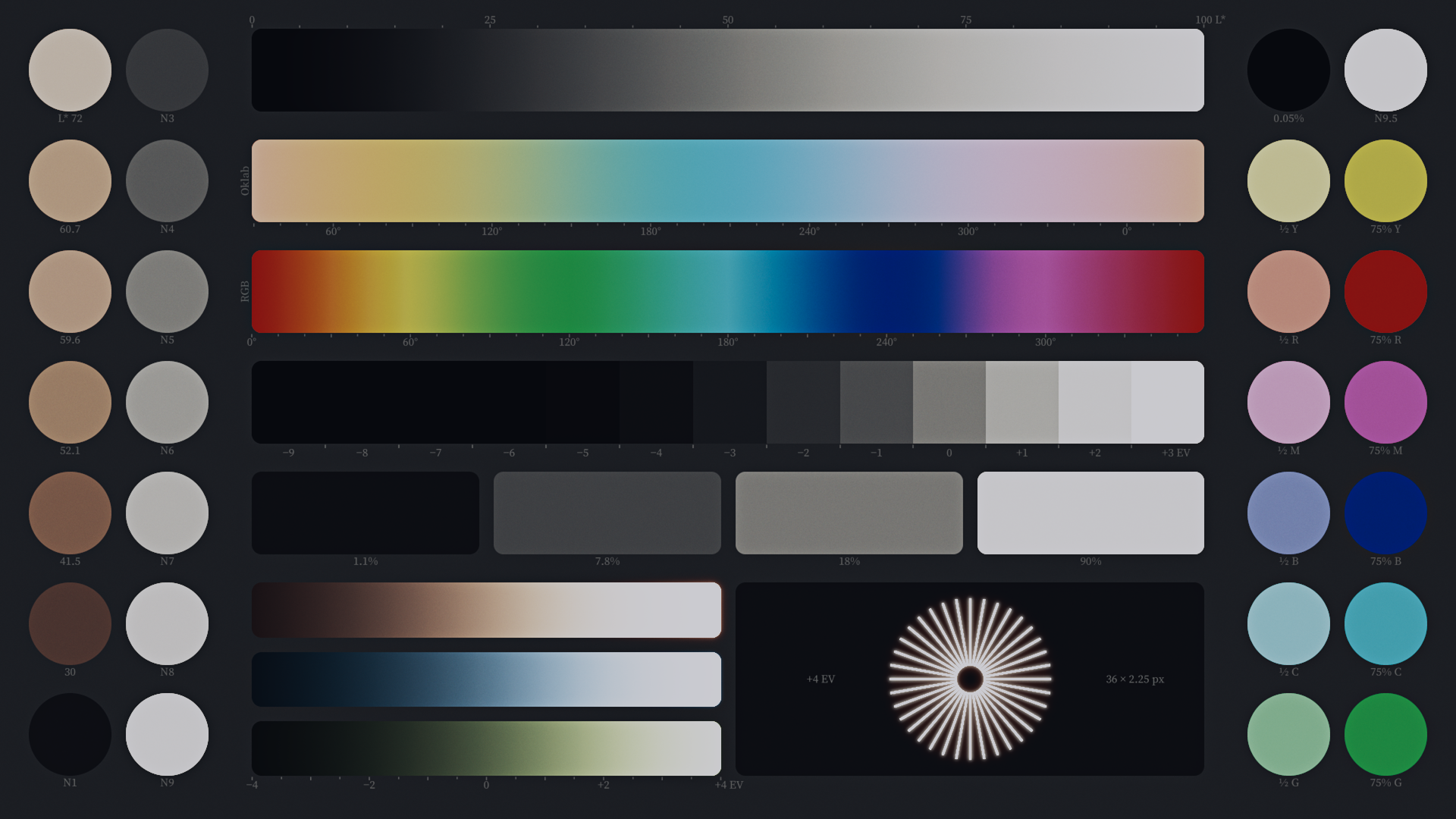
Un sustituto declarado inspirado en la copia, no una reproducción de ella, mostrado tras Svema DS-5M. No hay registrado ningún nombre de tipo, curva ni dato de tinte de un positivo en color de Shostka de los cincuenta: sus curvas características, su sensibilidad espectral y sus tintes son los de Svema TsP-8R, el positivo en color posterior de la misma fábrica, un sustituto, sin cambios.
El siguiente aviso de marca comercial se ofrece en inglés.
Svema is named only to identify the film; its trademarks belong to their respective owners, whose identity is unknown.
Curvas de respuesta y fundamentos del modelo
Compara los datos del fabricante con la respuesta de Ashigrain sobre los mismos ejes. Estas curvas muestran cómo se calibra el modelo con sus fuentes; no demuestran una coincidencia con imágenes fotografiadas en película.
Respuesta característica
Límites del modelo
Estas imágenes muestran el modelo de película en uso. La respuesta espectral, la iluminación y las condiciones de visualización incluyen aproximaciones; el halo, el resplandor, el tamaño del grano, la inestabilidad y el parpadeo no están medidos por completo para cada película. Una captura real también depende del revelado y del ajuste de positivado.
- Es un sustituto declarado de un positivo en color de Shostka de los cincuenta, no una reproducción de una película documentada. Ninguna fuente registrada contiene su nombre de tipo, fecha, curva ni tinte.
- Las curvas características, la sensibilidad espectral y los tintes son los de Свема ЦП-8Р, el positivo en color posterior de la misma fábrica, un sustituto, sin cambios.
- La época, el proceso y el equilibrio de copia son suposiciones y no se modelan.
- El objetivo neutro es el objetivo supuesto equilibrado en gris del sustituto (0.890 / 0.905 / 1.080, Status A); no se ha publicado ningún objetivo de laboratorio.
- La fuente no da espectros de la lámpara ni de los filtros de la positivadora. Su respuesta espectral es aproximada.
- El velo de proyección modelado eleva los negros en pantalla. Su intensidad es un supuesto porque las fuentes disponibles no lo miden; por tanto, no establece un contraste de proyección medido.
Reciprocidad: no modelada. El tiempo de exposición no tiene efecto en esta película.
Guía de películas: supuestos y opciones prácticas
Esta vista previa combina el positivo con el negativo de cámara indicado. En esta comparación, el positivo no tiene un índice de exposición ni una respuesta de grano medida propios.
Fuentes
- Reconstructed: Гордийчук И. Б., Пелль В. Г. Справочник кинооператора (1979), 1979 edition, p. 189
Lleva esta película a tu etalonaje.
Todas las películas incluidas en una sola compra, sin suscripción.
€199 + VAT