 Ashigrain
Copia en color · Película de copia
Eastman Color Print Film 5381 (1972)
La copia en color de Kodak de los años setenta, para todos los formatos.
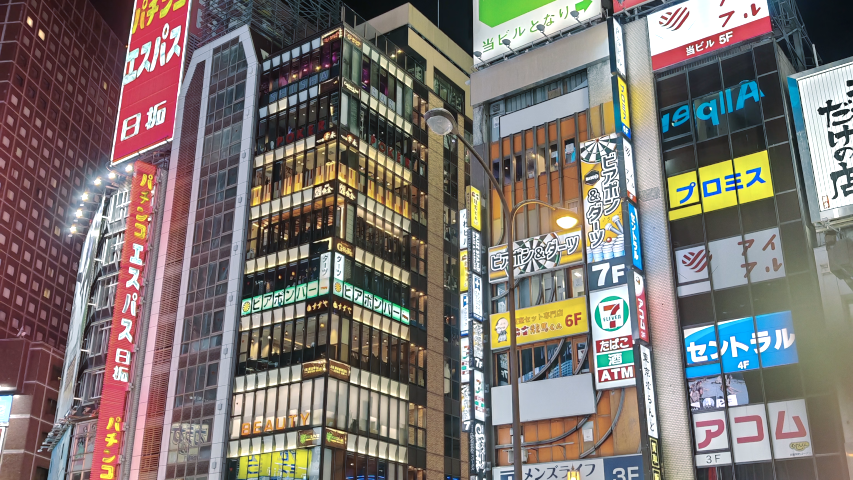
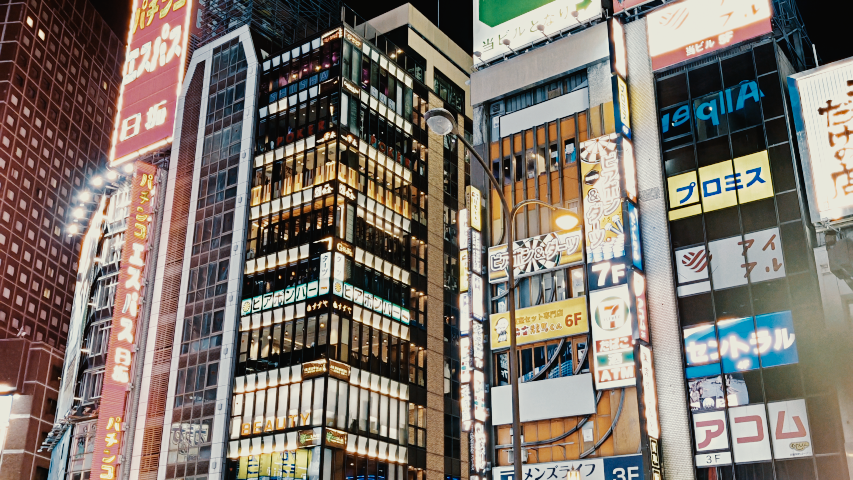
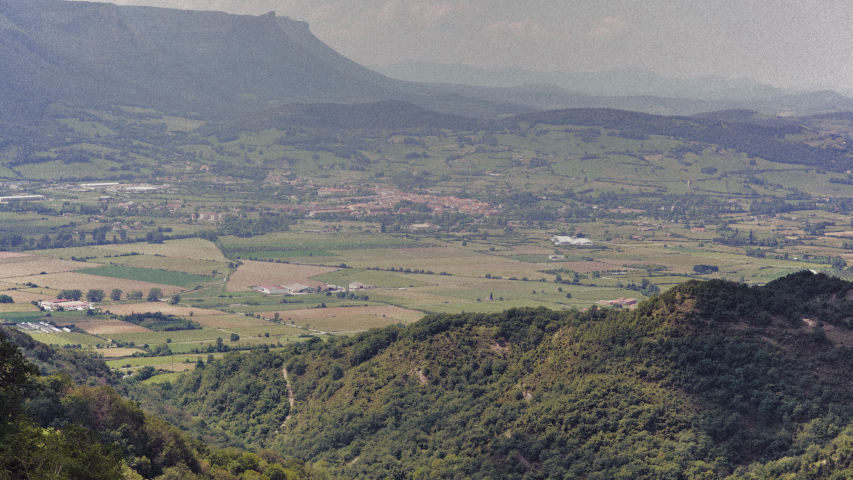
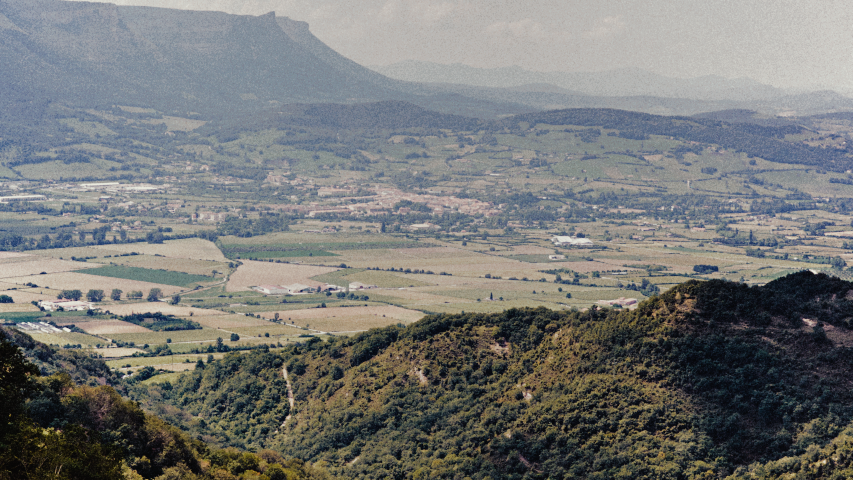
Kodak's 1970s print for every format, as a labelled surrogate whose curves and dyes are EXR 5386's, unchanged: a 1970s release-print look. Original vs Ashigrain.
De un vistazo
- Lanzamiento
- 1972
- Descatalogada
- Proceso
- ECP
- Densidad máxima
- ≈ 4,0
Sobre la película
Eastman Color Print Film 5381 de 1972 fue una película de copia en color de Kodak para copias de distribución, fabricada en 35 mm como 5381 y en 16 mm como 7381.
Kodak reutilizó el número: no es la primera película de copia Eastman Color de 1950, que también llevaba el código 5381. La cronología de Kodak sitúa la película de 35 mm en 1972, en sustitución de 5385, y la tabla de películas de copia Eastman Color de Henry Wilhelm da el mismo año para ambos códigos. Kodak dice que con ella hubo, por primera vez, una única película de copia en color para todos los formatos. Continuó una línea de películas de copia Eastman Color que iba de la 5381 de 1950 a 5382 y 5385. En 1974 Kodak presentó la película de copia SP 5383 para el proceso ECP-2 de mayor temperatura, pensada para convivir con 5381. Kodak dice que 5381 se retiró en enero de 1982 y fue sustituida por 5384, una película para el proceso ECP-2A con mejor conservación del tinte cian en la oscuridad.
Fuentes de esta historia
- Chronology of Film, Eastman Kodak Company
- The Permanence and Care of Color Photographs (1993), chapter 9: The Permanent Preservation of Color Motion Pictures, Henry Wilhelm with Carol Brower
El aspecto
Eastman Color Print Film 5381 de 1972 sustituyó a 5385, y Kodak dice que fue la primera película de copia en color común a todos los formatos. Kodak la sustituyó por 5384 en 1982. La versión de Ashigrain es un sustituto declarado, un modelo inspirado en la copia y no una reproducción.


Ideal para
- Aspecto de copia de distribución de los años setenta
- Copiar Eastman Color Negative 5247
- Comparar copias Kodak de los setenta y los noventa
Compara películas de positivado
The same Vision3 500T night frame on each print film: how deep the blacks go, how the highlights roll off and how the colour separates.
The same Vision3 500T night frame on each print film: how deep the blacks go, how the highlights roll off and how the colour separates.
The same Vision3 500T night frame on each print film: how deep the blacks go, how the highlights roll off and how the colour separates.
The same Vision3 500T night frame on each print film: how deep the blacks go, how the highlights roll off and how the colour separates.
The same Vision3 500T night frame on each print film: how deep the blacks go, how the highlights roll off and how the colour separates.
The same Vision3 500T night frame on each print film: how deep the blacks go, how the highlights roll off and how the colour separates.
The same Vision3 500T night frame on each print film: how deep the blacks go, how the highlights roll off and how the colour separates.
The same Vision3 500T night frame on each print film: how deep the blacks go, how the highlights roll off and how the colour separates.
The same Vision3 500T night frame on each print film: how deep the blacks go, how the highlights roll off and how the colour separates.
The same Vision3 500T night frame on each print film: how deep the blacks go, how the highlights roll off and how the colour separates.
The same Vision3 500T night frame on each print film: how deep the blacks go, how the highlights roll off and how the colour separates.
The same Vision3 500T night frame on each print film: how deep the blacks go, how the highlights roll off and how the colour separates.
The same Vision3 500T night frame on each print film: how deep the blacks go, how the highlights roll off and how the colour separates.
The same Vision3 500T night frame on each print film. On this two-colour print (a labelled surrogate) every colour falls between blue-green and red-orange: how deep the blacks go, how the highlights roll off and which lights keep their hue.
The same Vision3 500T night frame on each print film: how deep the blacks go, how the highlights roll off and how the colour separates.
The same Vision3 500T night frame on each print film: how deep the blacks go, how the highlights roll off and how the colour separates.
The same Vision3 500T night frame on each print film: how deep the blacks go, how the highlights roll off and how the colour separates.
The same Vision3 500T night frame on each print film: how deep the blacks go, how the highlights roll off and how the colour separates.
The same Vision3 500T night frame on each print film: how deep the blacks go, how the highlights roll off and how the colour separates.
The same Vision3 500T night frame on each print film: how deep the blacks go, how the highlights roll off and how the colour separates.
The same Vision3 500T night frame on each print film: how deep the blacks go, how the highlights roll off and how the colour separates.
The same Vision3 500T night frame on each print film: how deep the blacks go, how the highlights roll off and how the colour separates.
The same Vision3 500T night frame on each print film: how deep the blacks go, how the highlights roll off and how the colour separates.
The same Vision3 500T night frame on each print film: how deep the blacks go, how the highlights roll off and how the colour separates.
The same Vision3 500T night frame on each print film. On this blue-sensitive black-and-white print the colour negative turns grey: how deep the blacks go, how the highlights roll off and how dark the reds and greens print.
The same Vision3 500T night frame on each print film: how deep the blacks go, how the highlights roll off and how the colour separates.
The same Vision3 500T night frame on each print film. On this blue-sensitive black-and-white print the colour negative turns grey: how deep the blacks go, how the highlights roll off and how dark the red neon and skin print.
The same Vision3 500T night frame on each print film: how deep the blacks go, how the highlights roll off and how the colour separates.
The same Vision3 500T night frame on each print film. On this black-and-white print the colour negative turns grey: how deep the blacks go, how the highlights roll off and how the coloured lights and skin translate to grey.
The same Vision3 500T night frame on each print film. On this blue-sensitive black-and-white print the colour negative turns grey: how deep the blacks go, how the highlights roll off and how the coloured lights and skin translate to grey.
The same Vision3 500T night frame on each print film: how deep the blacks go, how the highlights roll off and how the colour separates.
The same Vision3 500T night frame on each print film: how deep the blacks go, how the highlights roll off and how the colour separates.
The same Vision3 500T night frame on each print film: how deep the blacks go, how the highlights roll off and how the colour separates.
The same Vision3 500T night frame on each print film: how deep the blacks go, how the highlights roll off and how the colour separates.
The same Vision3 500T night frame on each print film: how deep the blacks go, how the highlights roll off and how the colour separates.
The same Vision3 500T night frame on each print film. On this two-colour print (a labelled surrogate) every colour falls between a blue and a red dye: how deep the blacks go, how the highlights roll off and which lights keep their hue.
The same Vision3 500T night frame on each print film: how deep the blacks go, how the highlights roll off and how the colour separates.
El mismo fotograma nocturno de Kodak Vision3 500T, positivado en cada película.
- Kodak Vision Premier Color Print Film 2393
- Eastman Color SP Print Film 5383
- Eastman Color Print Film 5384
- Fujifilm Eterna-CP 3521XD
- Du Pont Color Release Positive Type 275
- Fujifilm Eterna-CP 3523XD
- Kodak Vision Color Print Film 2383
- Fujifilm Eterna-CP 3513DI
- Eastman EXR Color Print Film 5386
- Eastman Color Print Film 5381 (1972)
- Eastman Color Print Film 5385
- Agfa CP30 Colour Print Film
- SuperCinecolor
- Cinecolor (two-colour)
- Gevacolor Positive 953
- Gevacolor Print 9.85
- Gevacolor Print 986
- Gevacolor Print 982
- Ferraniacolor Positive
- 3M Color Positive 650
- Fujicolor Positive F-CP 3510
- Fujicolor Positive F-CP 3519
- Fujifilm Eterna-CP 3512
- Eastman Color Print 5381 (1950)
- Eastman Fine Grain Release Positive 5302
- Ansco Color Print 848
- Kodak B&W Print Film 2302
- Svema TsP-11
- Svema MZ-3
- ORWO PF 2 Positive Print Film
- Technicolor Dye Transfer (1997 revival)
- Svema TsP-8R
- Shostka Colour Positive (1950s)
- Technicolor Dye Transfer (Process IV)
- Gasparcolor Print
- Trucolor Print (two-colour)
- Kodak Vision Color Teleprint Film 2395
Ciencia y fuentes

Un sustituto declarado inspirado en la copia de 1972, no una reproducción de ella, mostrado tras Eastman Color Negative 5247. No hay datos registrados de esta película: sus curvas características, su sensibilidad espectral y sus tintes son los de Eastman EXR Color Print Film 5386, un sustituto, sin cambios. Su proceso ECP es una suposición y no se modela.
Curvas de respuesta y fundamentos del modelo
Compara los datos del fabricante con la respuesta de Ashigrain sobre los mismos ejes. Estas curvas muestran cómo se calibra el modelo con sus fuentes; no demuestran una coincidencia con imágenes fotografiadas en película.
Respuesta característica
Límites del modelo
Estas imágenes muestran el modelo de película en uso. La respuesta espectral, la iluminación y las condiciones de visualización incluyen aproximaciones; el halo, el resplandor, el tamaño del grano, la inestabilidad y el parpadeo no están medidos por completo para cada película. Una captura real también depende del revelado y del ajuste de positivado.
- Es un sustituto declarado inspirado en la Eastman Color Print Film 5381 de 1972, no una reproducción de ella. No hay datos sensitométricos ni espectrales registrados de esta película.
- Las curvas características, la sensibilidad espectral y los tintes son los de Eastman EXR Color Print Film 5386 (Kodak H-1-5386, 1999), un sustituto, sin cambios; sus curvas se midieron en ECP-2B, no en el proceso de esta película.
- El proceso ECP es una suposición deducida de la cronología de Kodak, que no nombra ningún proceso para esta película; el proceso no se modela.
- El objetivo neutro es el objetivo Status A del sustituto (1.10 / 1.06 / 1.03); no hay ningún objetivo registrado de esta película.
- Es la película de 1972, no la primera Eastman Color Print 5381 de 1950.
- La decoloración de los tintes no se modela; el modelo reproduce una copia nueva.
- La fuente no da espectros de la lámpara ni de los filtros de la positivadora. Su respuesta espectral es aproximada.
- El velo de proyección modelado eleva los negros en pantalla. Su intensidad es un supuesto porque las fuentes disponibles no lo miden; por tanto, no establece un contraste de proyección medido.
Reciprocidad: no modelada. El tiempo de exposición no tiene efecto en esta película.
Guía de películas: supuestos y opciones prácticas
Esta vista previa combina el positivo con el negativo de cámara indicado. En esta comparación, el positivo no tiene un índice de exposición ni una respuesta de grano medida propios.
Fuentes
- Characteristic curves: EASTMAN EXR Color Print Film 5386 / 7386 / 2386 / 3386 Technical Data, H-1-5386, February 1999, p. 3
- Process: Eastman Kodak: Chronology of Film (History of Film), live page www.kodak.com/en/motion/page/chronology-of-film/ as served 2026-10-28, p. 1
Lleva esta película a tu etalonaje.
Todas las películas incluidas en una sola compra, sin suscripción.
€199 + VAT