 Ashigrain
Copia en blanco y negro · Película de copia
ORWO PF 2 Positive Print Film
La película de copia en blanco y negro de ORWO para trabajo de archivo.
ORWO's blue-sensitive print for archive work, from its 2014 datasheet: built to hold a negative of extreme contrast with a full grey scale. Original vs Ashigrain.
De un vistazo
- Lanzamiento
- ya en 2014
- Proceso
- ORWO instruction 2182 (D-97 / ORWO 27), 21 ± 1 C, development 4-8 min, to an average gradient of 2.8
- Densidad máxima
- ≈ 3,0
- Soporte
- Poliéster
Sobre la película
ORWO Positive Print Film PF 2 es una película de copia en blanco y negro de grano fino y sensible al azul, fabricada por FilmoTec en la fábrica original de ORWO en Wolfen.
ORWO significa Original Wolfen, y la fábrica de Wolfen nació como parte de Agfa; American Cinematographer informa de que FilmoTec recuperó la marca ORWO en 1998. La versión modelada, PF 2 V3, está documentada en la información técnica de FilmoTec de junio de 2014, que la presenta como sucesora de PF 2 V2 y PF 2 plus. FilmoTec la describe para copias en blanco y negro de negativos corrientes y sobre todo para filmotecas, donde debe reproducir negativos de contraste extremo con una escala de grises completa. Está emulsionada sobre poliéster de 125 µm o triacetato de 135 µm, con una capa antihalo que se aclara en el procesado y una capa antiestática permanente. Según la instrucción ORWO 2182, se revela en D-97 u ORWO 27 durante 4 a 8 minutos, hasta un gradiente medio de 2.8. FilmoTec especifica una granularidad RMS de como máximo 10 y una MTF de al menos 0.70 a 30 ciclos por milímetro. American Cinematographer incluyó PF2 entre la oferta de ORWO en febrero de 2017.
Fuentes de esta historia
- ORWO Positive Print Film PF 2 V3 Technical Information (TI-PF2 V3-VI/2014), FilmoTec GmbH
- ORWO Instruction no. 2182: processing of ORWO black & white positive print films, FilmoTec GmbH
- Orwo Film Offers Black-and-White Negative, American Society of Cinematographers
El aspecto
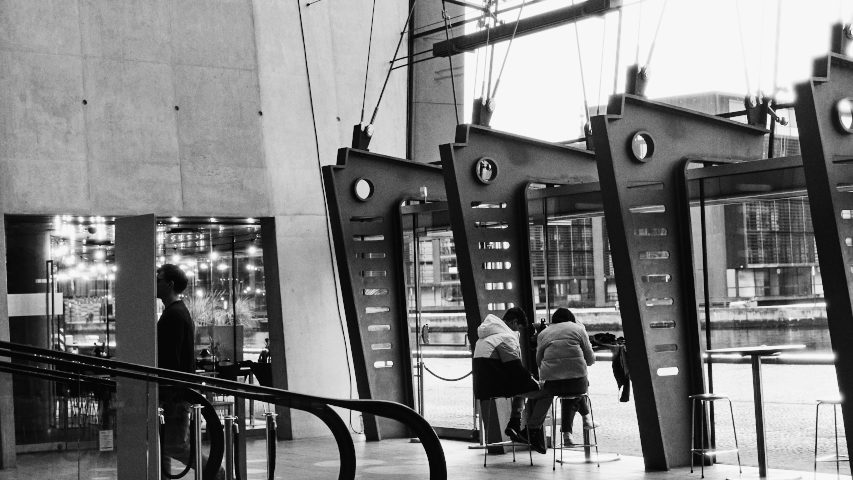
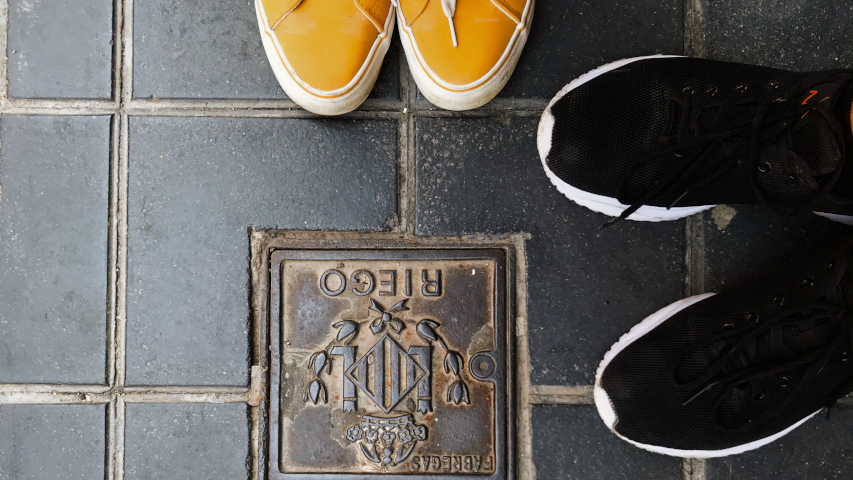
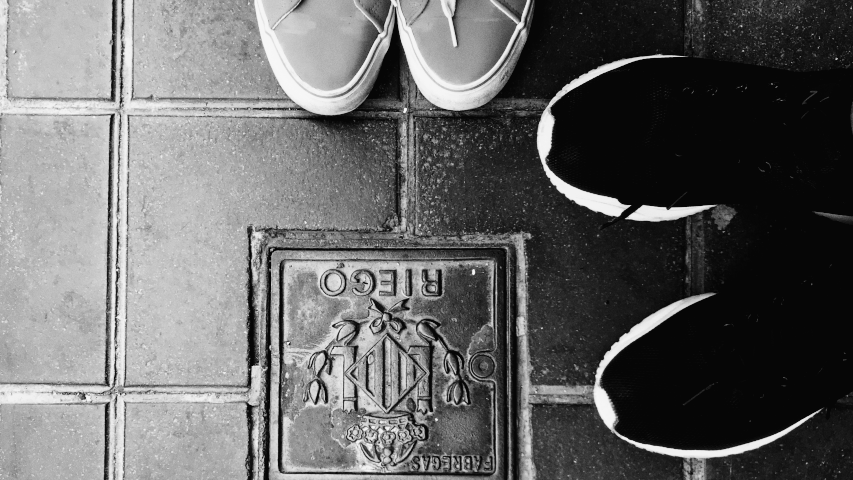
ORWO Positive Print Film PF 2 es una película de copia en blanco y negro sensible al azul fabricada en Wolfen, documentada en su versión V3 de 2014. Está pensada para reproducir negativos de contraste extremo con una escala de grises completa, sobre todo en el trabajo de archivos fílmicos. Su curva y su sensibilidad proceden de la ficha técnica del fabricante.



Ideal para
- Copias con estilo de archivo y restauración
- Negativos de alto contraste con escala de grises completa
- Positivar negativos Tasma NK-2
Compara películas de positivado
The same Vision3 500T night frame on each print film: how deep the blacks go, how the highlights roll off and how the colour separates.
The same Vision3 500T night frame on each print film: how deep the blacks go, how the highlights roll off and how the colour separates.
The same Vision3 500T night frame on each print film: how deep the blacks go, how the highlights roll off and how the colour separates.
The same Vision3 500T night frame on each print film: how deep the blacks go, how the highlights roll off and how the colour separates.
The same Vision3 500T night frame on each print film: how deep the blacks go, how the highlights roll off and how the colour separates.
The same Vision3 500T night frame on each print film: how deep the blacks go, how the highlights roll off and how the colour separates.
The same Vision3 500T night frame on each print film: how deep the blacks go, how the highlights roll off and how the colour separates.
The same Vision3 500T night frame on each print film: how deep the blacks go, how the highlights roll off and how the colour separates.
The same Vision3 500T night frame on each print film: how deep the blacks go, how the highlights roll off and how the colour separates.
The same Vision3 500T night frame on each print film: how deep the blacks go, how the highlights roll off and how the colour separates.
The same Vision3 500T night frame on each print film: how deep the blacks go, how the highlights roll off and how the colour separates.
The same Vision3 500T night frame on each print film: how deep the blacks go, how the highlights roll off and how the colour separates.
The same Vision3 500T night frame on each print film: how deep the blacks go, how the highlights roll off and how the colour separates.
The same Vision3 500T night frame on each print film. On this two-colour print (a labelled surrogate) every colour falls between blue-green and red-orange: how deep the blacks go, how the highlights roll off and which lights keep their hue.
The same Vision3 500T night frame on each print film: how deep the blacks go, how the highlights roll off and how the colour separates.
The same Vision3 500T night frame on each print film: how deep the blacks go, how the highlights roll off and how the colour separates.
The same Vision3 500T night frame on each print film: how deep the blacks go, how the highlights roll off and how the colour separates.
The same Vision3 500T night frame on each print film: how deep the blacks go, how the highlights roll off and how the colour separates.
The same Vision3 500T night frame on each print film: how deep the blacks go, how the highlights roll off and how the colour separates.
The same Vision3 500T night frame on each print film: how deep the blacks go, how the highlights roll off and how the colour separates.
The same Vision3 500T night frame on each print film: how deep the blacks go, how the highlights roll off and how the colour separates.
The same Vision3 500T night frame on each print film: how deep the blacks go, how the highlights roll off and how the colour separates.
The same Vision3 500T night frame on each print film: how deep the blacks go, how the highlights roll off and how the colour separates.
The same Vision3 500T night frame on each print film: how deep the blacks go, how the highlights roll off and how the colour separates.
The same Vision3 500T night frame on each print film. On this blue-sensitive black-and-white print the colour negative turns grey: how deep the blacks go, how the highlights roll off and how dark the reds and greens print.
The same Vision3 500T night frame on each print film: how deep the blacks go, how the highlights roll off and how the colour separates.
The same Vision3 500T night frame on each print film. On this blue-sensitive black-and-white print the colour negative turns grey: how deep the blacks go, how the highlights roll off and how dark the red neon and skin print.
The same Vision3 500T night frame on each print film: how deep the blacks go, how the highlights roll off and how the colour separates.
The same Vision3 500T night frame on each print film. On this black-and-white print the colour negative turns grey: how deep the blacks go, how the highlights roll off and how the coloured lights and skin translate to grey.
The same Vision3 500T night frame on each print film. On this blue-sensitive black-and-white print the colour negative turns grey: how deep the blacks go, how the highlights roll off and how the coloured lights and skin translate to grey.
The same Vision3 500T night frame on each print film: how deep the blacks go, how the highlights roll off and how the colour separates.
The same Vision3 500T night frame on each print film: how deep the blacks go, how the highlights roll off and how the colour separates.
The same Vision3 500T night frame on each print film: how deep the blacks go, how the highlights roll off and how the colour separates.
The same Vision3 500T night frame on each print film: how deep the blacks go, how the highlights roll off and how the colour separates.
The same Vision3 500T night frame on each print film: how deep the blacks go, how the highlights roll off and how the colour separates.
The same Vision3 500T night frame on each print film. On this two-colour print (a labelled surrogate) every colour falls between a blue and a red dye: how deep the blacks go, how the highlights roll off and which lights keep their hue.
The same Vision3 500T night frame on each print film: how deep the blacks go, how the highlights roll off and how the colour separates.
El mismo fotograma nocturno de Kodak Vision3 500T, positivado en cada película.
- Kodak Vision Premier Color Print Film 2393
- Eastman Color SP Print Film 5383
- Eastman Color Print Film 5384
- Fujifilm Eterna-CP 3521XD
- Du Pont Color Release Positive Type 275
- Fujifilm Eterna-CP 3523XD
- Kodak Vision Color Print Film 2383
- Fujifilm Eterna-CP 3513DI
- Eastman EXR Color Print Film 5386
- Eastman Color Print Film 5381 (1972)
- Eastman Color Print Film 5385
- Agfa CP30 Colour Print Film
- SuperCinecolor
- Cinecolor (two-colour)
- Gevacolor Positive 953
- Gevacolor Print 9.85
- Gevacolor Print 986
- Gevacolor Print 982
- Ferraniacolor Positive
- 3M Color Positive 650
- Fujicolor Positive F-CP 3510
- Fujicolor Positive F-CP 3519
- Fujifilm Eterna-CP 3512
- Eastman Color Print 5381 (1950)
- Eastman Fine Grain Release Positive 5302
- Ansco Color Print 848
- Kodak B&W Print Film 2302
- Svema TsP-11
- Svema MZ-3
- ORWO PF 2 Positive Print Film
- Technicolor Dye Transfer (1997 revival)
- Svema TsP-8R
- Shostka Colour Positive (1950s)
- Technicolor Dye Transfer (Process IV)
- Gasparcolor Print
- Trucolor Print (two-colour)
- Kodak Vision Color Teleprint Film 2395
Ciencia y fuentes

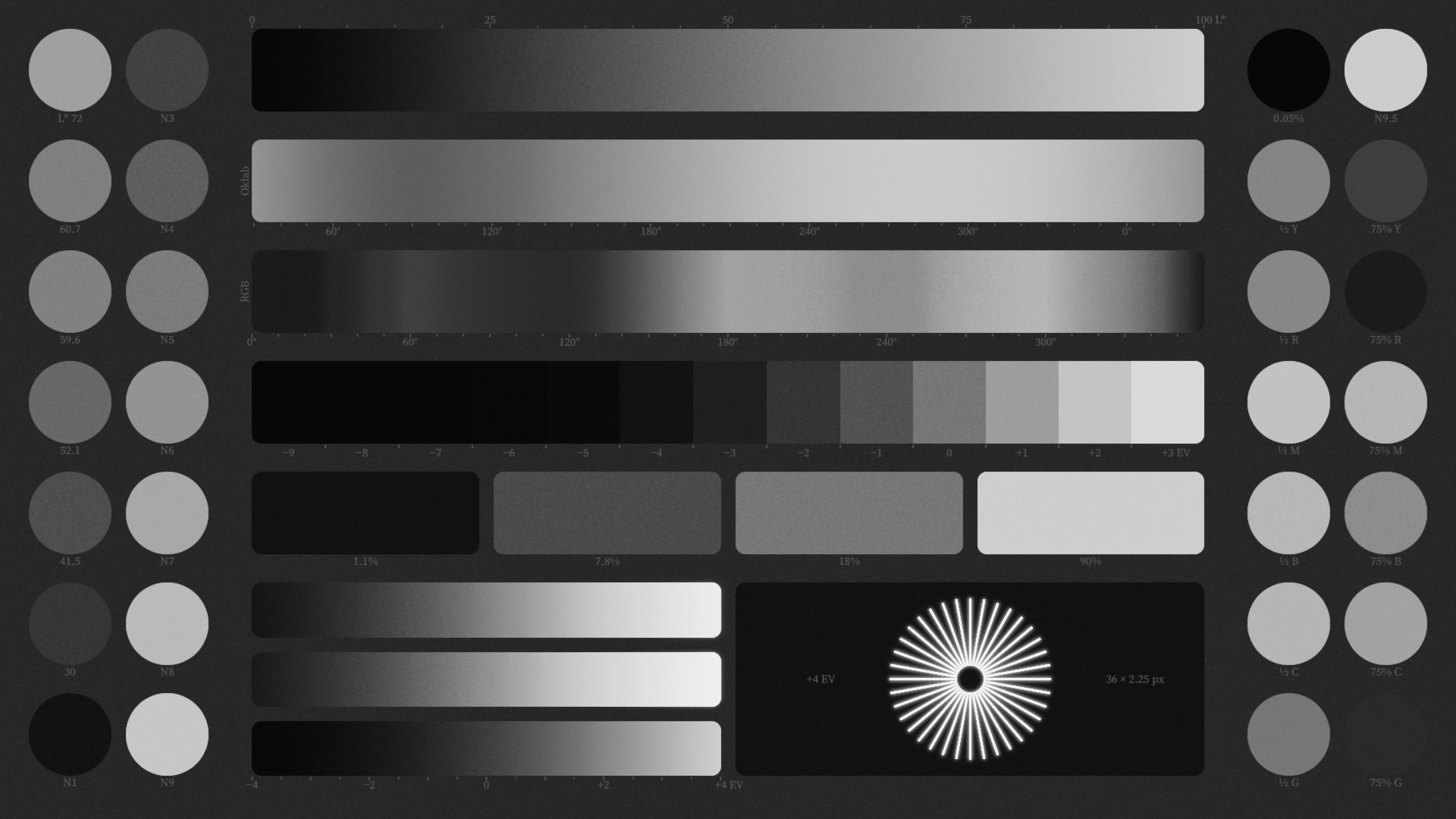
Una película de copia en blanco y negro sensible al azul, mostrada tras Tasma NK-2. Su curva característica y su sensibilidad espectral están digitalizadas de la ficha técnica V3 de 2014, con la curva de revelado de 5 minutos. El resultado combina el negativo y la copia.
Curvas de respuesta y fundamentos del modelo
Compara los datos del fabricante con la respuesta de Ashigrain sobre los mismos ejes. Estas curvas muestran cómo se calibra el modelo con sus fuentes; no demuestran una coincidencia con imágenes fotografiadas en película.
Respuesta característica
Límites del modelo
Estas imágenes muestran el modelo de película en uso. La respuesta espectral, la iluminación y las condiciones de visualización incluyen aproximaciones; el halo, el resplandor, el tamaño del grano, la inestabilidad y el parpadeo no están medidos por completo para cada película. Una captura real también depende del revelado y del ajuste de positivado.
- La imagen de plata no tiene gráfico de colorantes y se toma como espectralmente neutra.
- La película es sensible al azul (unos 400–520 nm según la ficha); su sensibilidad fuera de ese intervalo no figura en el gráfico.
- La curva característica es la curva de 5 minutos de la ficha (gradiente de unos 2.84), uno de los tres tiempos de revelado impresos, por lo que el contraste con otro revelado no se modela. La curva termina en la densidad 3.0, el borde superior del gráfico impreso.
- La granularidad y la MTF solo se dan como límites (RMS como máximo 10; MTF al menos 0.70 a 30 ciclos/mm), no como curvas.
- No hay una segunda edición con curvas, por lo que no se mide ningún error de digitalización.
- La fuente no da espectros de lámpara ni de filtro de positivadora. Se modela el etalonaje de la copia en blanco y negro.
Reciprocidad: no modelada. El tiempo de exposición no tiene efecto en esta película.
Guía de películas: supuestos y opciones prácticas
Fuentes
- Characteristic curves: ORWO Positive Print Film PF 2 V3 Technical Information, TI-PF2 V3-VI/2014, p. 2
- Process: ORWO Positive Print Film PF 2 V3 Technical Information, TI-PF2 V3-VI/2014, p. 2
Lleva esta película a tu etalonaje.
Todas las películas incluidas en una sola compra, sin suscripción.
€199 + VAT